Your digging level

For this genre
0/8
🏆
Sign in, then listen to this genre to level up

Description

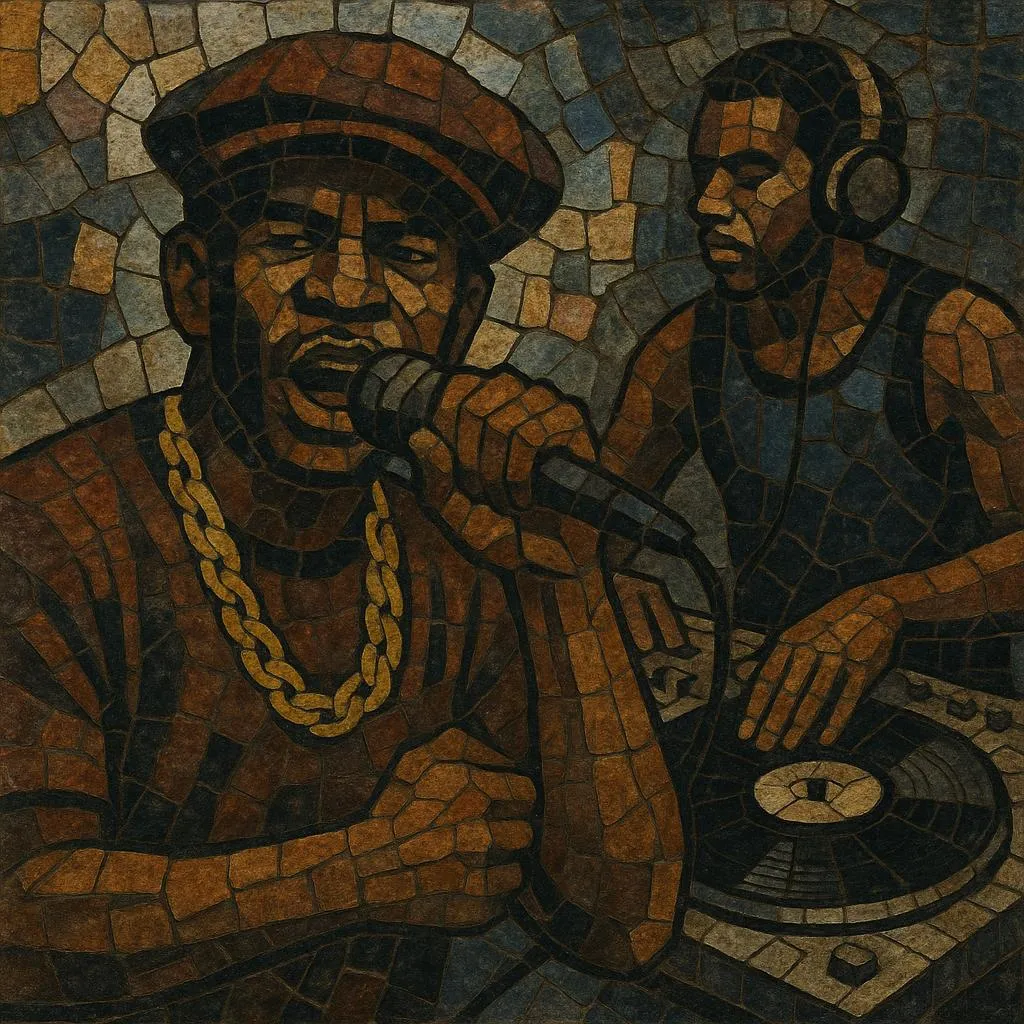
Proto-rap describes the transitional phase between Black spoken-word traditions and the first commercially recorded rap, emerging in the late 1970s in the United States. It blends party-MC patter, radio jive, and street toasts with funk and disco grooves, often delivered as rhythmic speech over extended breaks or vamping basslines.

Unlike fully developed hip hop records that followed, proto-rap was frequently cut by funk/disco bands or studio projects featuring an MC, prioritizing crowd-moving chants, braggadocio, and call-and-response over intricate multisyllabic rhyme schemes. Its production leaned on live rhythm sections, early drum machines, and DJ-friendly arrangements, marking the bridge from block-party performance to rap on vinyl.


Sources: Spotify, Wikipedia, Discogs, RYM, MB, user feedback and other online sources

History

Roots (1960s–early 1970s)

Proto-rap’s DNA lies in Black spoken-word traditions—street toasts, dozens, and performance poetry—alongside soul and funk rhythm sections. Artists such as the Black Arts–era poet-musicians set the precedent for cadence, social commentary, and groove-backed recitation, while sound-system culture and Jamaican deejay talking over records introduced the idea of rhythmic speech on top of pre-existing tracks.

Block Parties and the MC (mid–late 1970s)

In New York and other urban centers, DJs isolated funk/disco drum breaks at parties while MCs hyped the crowd with chants, boasts, and call-and-response. This live format emphasized groove, repetition, and extended breaks—ideal conditions for rhythmic talking that crystallized into an emergent rap style before it was widely recorded.

From Bands to Records (1979–early 1980s)

The first rap-on-wax efforts often came from funk/disco bands and studio collectives that featured an MC, cutting extended 12-inch singles designed for dancefloors. These records showcased straightforward end-rhyme couplets, party narratives, and vocal unison hooks over punchy bass, four-on-the-floor disco feels, or sparse funk vamps.

Legacy and Codification

Proto-rap codified the MC’s role on records, translating party practices into a repeatable studio format. It directly set the template for old school hip hop and catalyzed developments in electro, regional rap scenes, and later, more lyrically and politically complex hip hop subgenres. Its emphasis on grooves, hooks, and audience interaction became enduring pillars of rap performance and production.

How to make a track in this genre

Rhythm & Tempo
•   Aim for dance-oriented feels at 100–120 BPM, drawing on disco four-on-the-floor or syncopated funk breaks. •   Build around extended drum vamps and two- or four-bar grooves that DJs could loop—minimal fills, steady pocket.
Harmony & Bass
•   Keep harmony simple: one- or two-chord vamps, dominant pedals, or modal grooves. •   Use a prominent, melodic funk/disco bassline to carry momentum, occasionally doubling with clav or rhythm guitar.
Vocals & Flow
•   Deliver rhymes as clear, rhythmic speech: end-rhyme couplets, internal rhymes sparingly, and strong on-beat emphasis. •   Incorporate party chants, crowd call-and-response, name-checks, and braggadocio; prioritize intelligibility and hooky refrains.
Form & Arrangement
•   Structure around long intro grooves, multiple 16-bar vocal sections, and instrumental breaks for DJ transitions. •   Add group shouts/unison refrains between verses and leave space for crowd hype or ad-libs.
Sound Design & Production
•   Combine live rhythm section with early drum machines (e.g., TR-808) or tight disco drums. •   Use dry, upfront vocal capture; subtle spring/plate reverb on percussion; minimal FX to keep the beat front-and-center. •   If sampling, favor clean funk/disco breaks and short loops; layer handclaps and tambourine to energize the backbeat.
Lyrical Themes & Performance
•   Focus on party rocking, DJ/MC personas, neighborhood shout-outs, dance instructions, and playful boasts. •   Engage the audience—imagine performing to a dancefloor and write lines designed for an immediate call-and-response.

Top tracks

Locked
Share your favorite track to unlock other users’ top tracks

Upcoming concerts

in this genre
Influenced by
Has influenced

Download our mobile app

Get the Melodigging app and start digging for new genres on the go
© 2026 Melodigging
Melodding was created as a tribute to Every Noise at Once, which inspired us to help curious minds keep digging into music's ever-evolving genres.
Buy me a coffee for Melodigging