Your digging level
Description
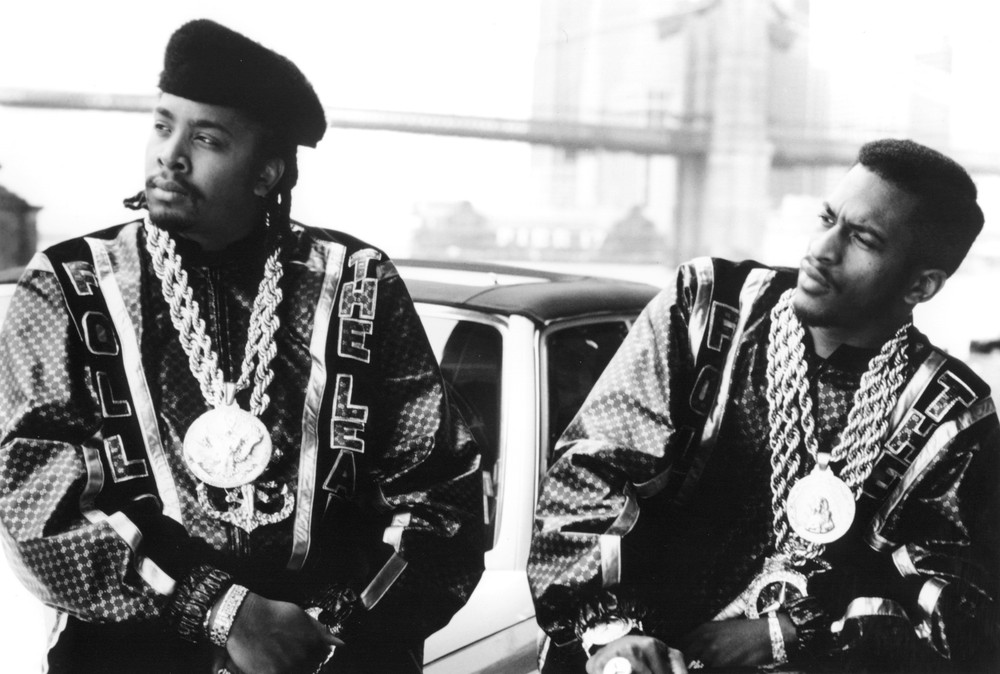
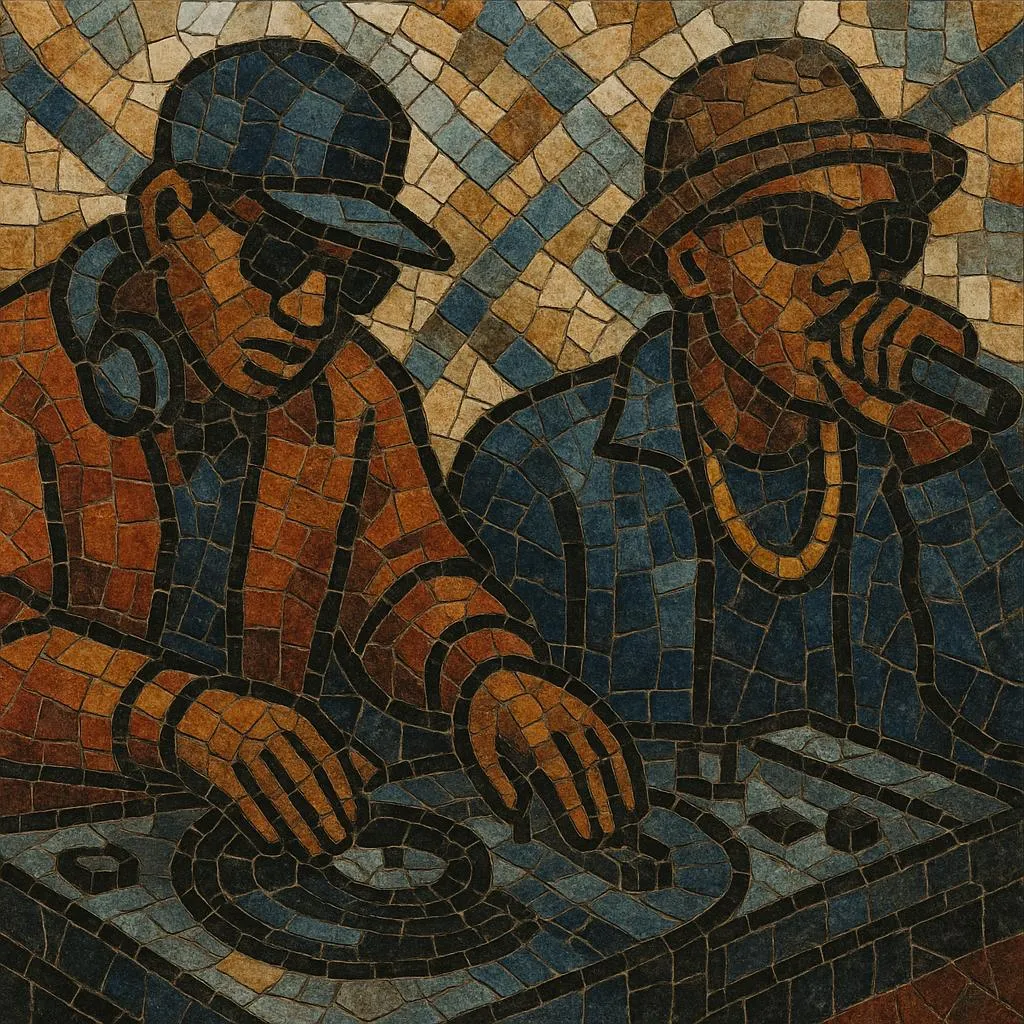
Golden age hip hop is the label commonly given to mainstream hip hop created from the mid/late 1980s through the early-to-mid 1990s, especially by artists from the New York metropolitan area.
It is known for dense sample-based production, hard-hitting drum programming, and highly developed lyricism, including complex rhyme schemes, storytelling, battle rap, and socially conscious writing.
The era is often described as unusually diverse and innovative, with producers sampling widely from funk, soul, jazz, rock, and spoken-word records, and with artists exploring themes ranging from party and braggadocio to politics and everyday urban life.

History
Golden age hip hop generally spans the mid-1980s to mid-1990s, aligning with the rise of the “new school” and the period when hip hop became a dominant commercial and cultural force.
Producers in New York pushed sampling into a central creative method, using drum machines and samplers to chop and layer breaks, basslines, horn stabs, and vocal fragments into gritty, loop-driven beats.
Rapping evolved rapidly in this era, with more intricate internal rhymes, sharper punchlines, narrative technique, and conscious or political commentary, while battle-oriented competitiveness remained a core aesthetic.
Although strongly associated with New York, the golden age also includes influential developments from other regions, including West Coast gangsta perspectives, Southern party and bass traditions, and a growing national network of scenes.
Major labels, radio, and MTV helped propel hip hop into the mainstream, while the era’s sonic grammar—breakbeats, sampling, and lyrical “bar” craft—became foundational for later hip hop movements and revivals.
Use classic boom-bap drum programming with a strong kick and snare, often built from chopped breakbeats.
Aim for a tight pocket with swing, and consider layered percussion (open hats, rides, tambourine hits) to create forward motion.
Build the track around chopped samples from funk, soul, and jazz records, such as horn hits, bass riffs, Rhodes chords, or vocal snippets.
Layer multiple fragments to create variation across sections, and use filtering or pitch changes to carve space for the vocal.
Keep harmony relatively minimal and loop-focused, but make the bassline feel physical and supportive of the drums.
Use simple modal or minor-key loops for grit, or jazzy extensions for a smoother alternative, while avoiding overly dense chord movement that competes with the rapper.
Structure the beat with clear verse sections and memorable hooks, often using dropouts, turnaround fills, or different sample chops to mark transitions.
Add DJ elements like scratches or vocal stabs as call-and-response accents, especially on intros, outros, and hook sections.
Prioritize articulate delivery and bar craft: internal rhymes, multisyllabic patterns, punchlines, and thematic cohesion.
Common approaches include storytelling, social commentary, battle/braggadocio, and observational writing, with a strong emphasis on clarity and personality.
Keep drums punchy and forward, with a slightly gritty texture; do not over-polish the transients.
Carve midrange space for the vocal, and use tasteful saturation or tape-style compression to evoke the classic sample-era feel.