Your digging level
Description
Old school nederhop is the first wave of Dutch-language hip hop that took shape in the Netherlands in the late 1980s and early–mid 1990s.
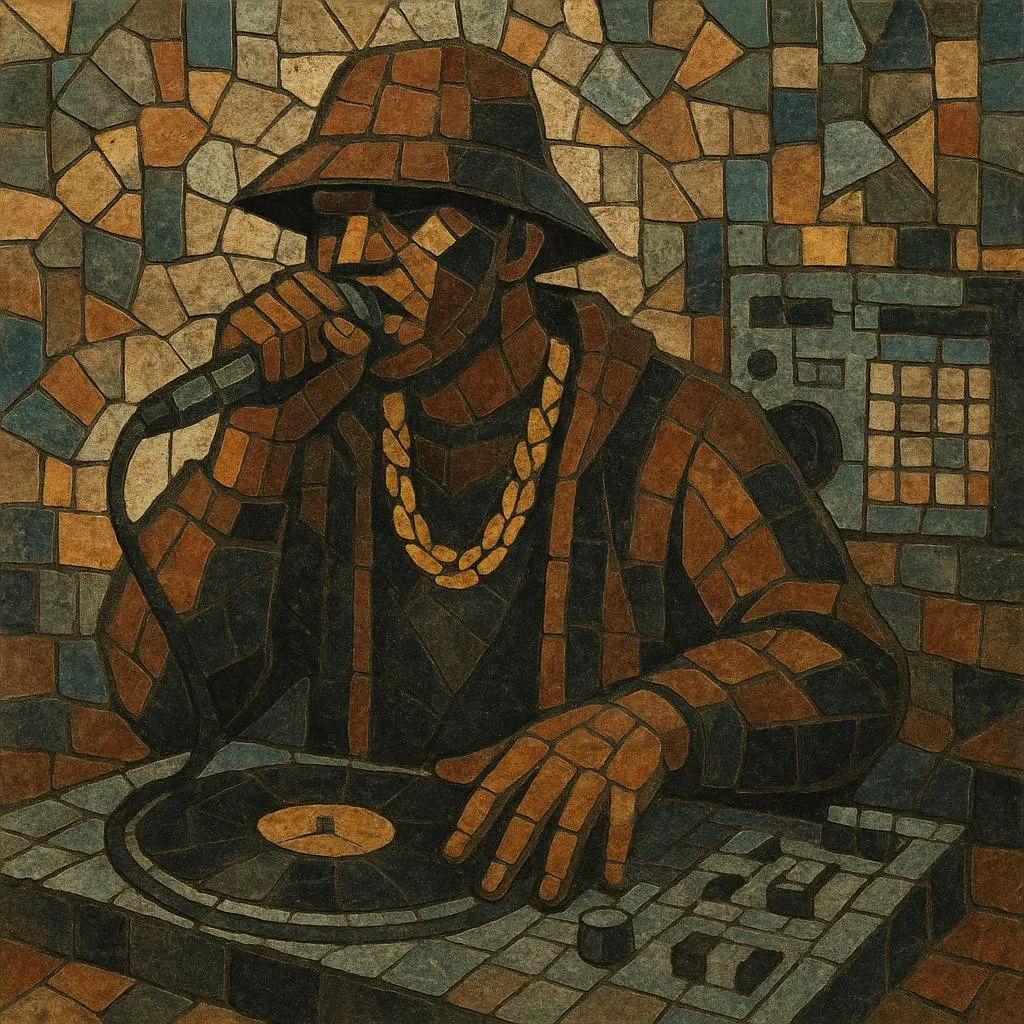
It is defined by rapping in Dutch (often Amsterdam or Rotterdam street slang), boom‑bap drum programming, heavy use of sampling (funk, soul, jazz, electro), and classic DJ techniques such as cutting and scratching. Lyrically, it blends braggadocio, humor, wordplay, and local storytelling with early social commentary, translating the aesthetics of golden‑age hip hop to a distinctly Dutch cultural context.
The sound feels gritty and analog—drum machines and 12‑bit samplers, swung snares, chopped breaks, and hooky, sung or chanted refrains—while the flow prioritizes clear diction and multisyllabic rhyme schemes that showcase Dutch as a rhythmic rap language.
History
Dutch youth culture embraced hip hop’s four elements through breakers, writers, and DJs long before a robust recording scene emerged. Early crews began experimenting with Dutch‑language bars over electro and funk‑influenced beats, moving from block‑party culture and pirate radio to small labels and cassette releases. The decision to rap in Dutch was pivotal: it localized the form, made the punchlines land for native audiences, and proved that hip hop could thrive beyond English.
As samplers became more accessible, producers stitched together boom‑bap drums with jazz and soul chops, while MCs honed tightly metered rhyme schemes in Dutch. Independent labels, record shops, and hip hop nights nurtured the scene; national radio and youth TV gradually opened doors. Charting singles by pioneering Dutch‑language rappers demonstrated genuine mainstream viability, inspiring a new generation to pick up the mic in their own tongue.
Local scenes in Amsterdam, Rotterdam, Utrecht, and the southern provinces built reputations via battles, mixtapes, and showcases. Magazines, radio shows, and later music‑video channels helped codify the look and sound—baggy fits, vinyl culture, and a sample‑based, DJ‑forward aesthetic. Managers and homegrown labels professionalized releases, laying the groundwork for a sustainable Dutch rap economy.
Old school nederhop established the template for Dutch rap: rhyme in Dutch, sample heavy, and be proudly local. It seeded the business and creative infrastructure (labels, promoters, producers, engineers) that would support later waves—from conscious and backpack rap to commercial rap‑pop and, eventually, trap and drill. Even as production modernized, the era’s emphasis on cadence, punchlines, and DJ craft remains a touchstone for Dutch artists and fans.

Top albums