Your digging level
Description
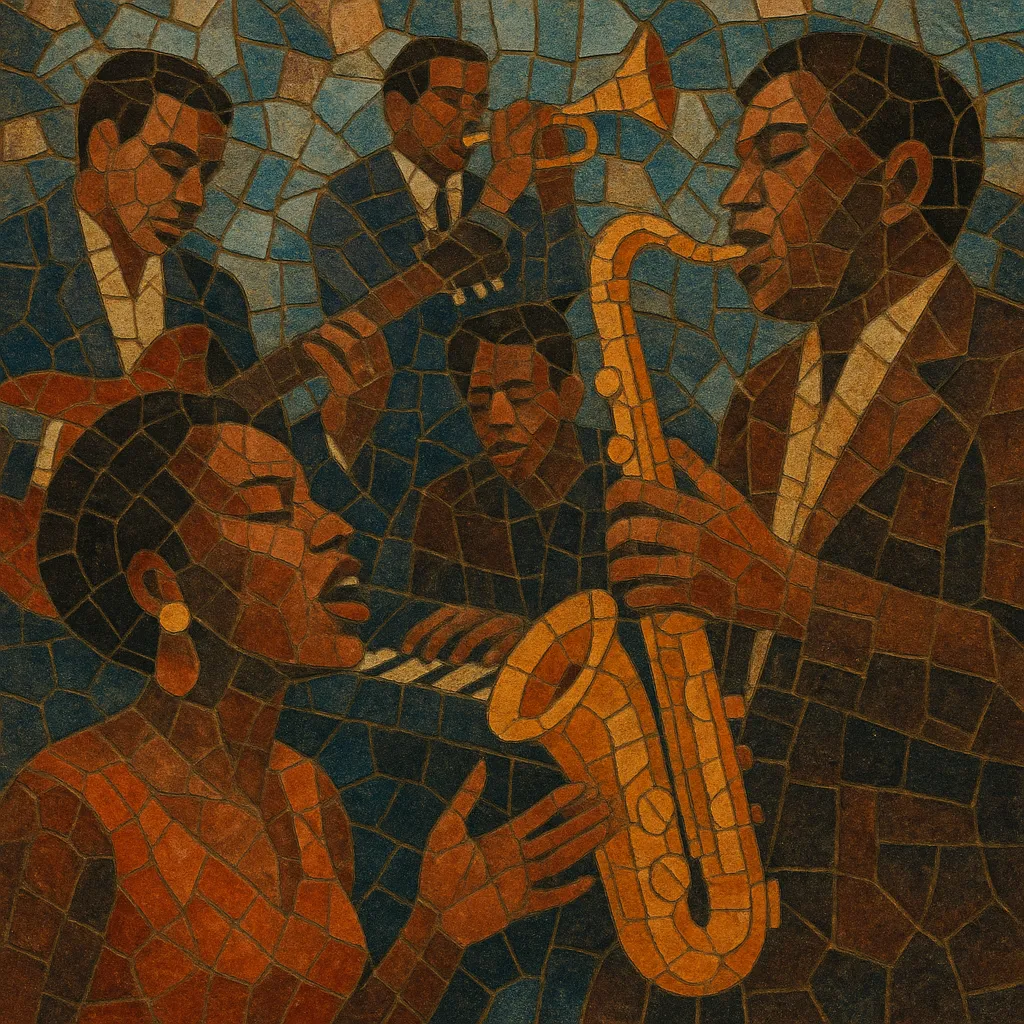
Rhythm & blues (R&B) is an African American popular music tradition that emerged in the United States in the 1940s, blending blues harmony and song form with the swing-era backbeat, boogie‑woogie piano patterns, and small-horn-section riffs drawn from jazz and jump bands.
Classic R&B is typically in 4/4, emphasizes a strong backbeat on beats 2 and 4, and features walking or boogie bass lines, electric guitar comping, piano or organ, saxophone leads, and tight vocal arrangements. Lyrically it addresses love, desire, joy, hardship, and everyday life, often using the blues’ AAB stanza structure and call‑and‑response between lead voice and backing vocals or horns.
R&B bridged Black dance music and mainstream pop, powered by independent labels and jukebox culture. It provided the direct foundation for rock ’n’ roll and later for soul, funk, and, through Jamaica’s sound system culture, the development of ska and reggae.
History
“Rhythm & blues” emerged in the late 1940s as a Billboard chart term replacing “race records,” describing upbeat, danceable Black popular music that fused blues harmony and forms with swing-era rhythmic drive. Wartime migrations, nightclub circuits, and independent labels (e.g., Atlantic, Chess, Specialty) nurtured the sound. Jump blues bandleaders like Louis Jordan popularized small-group horn sections, boogie‑woogie bass, and humorous, streetwise lyrics.
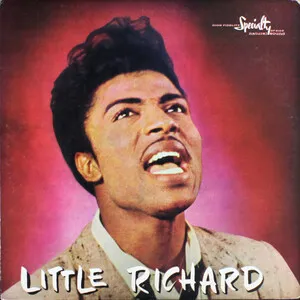
R&B hits by Ruth Brown, Big Joe Turner, Fats Domino, and Ray Charles crossed over to pop audiences. The music’s backbeat, electric guitars, and vocal stylings directly catalyzed rock ’n’ roll; artists such as Little Richard and Chuck Berry drew on R&B’s rhythmic feel, blues changes, and stage energy. Meanwhile, doo‑wop vocal groups evolved from R&B balladry and gospel-inflected harmonies.
R&B’s church-infused vocals and tighter arrangements evolved into soul (Motown, Stax/Volt), while James Brown pushed toward funk via rhythmic minimalism and accent displacement. Across the Atlantic, British bands adapted R&B repertoires, feeding the British Invasion. In Jamaica, American R&B on sound systems influenced ska and, later, rocksteady and reggae.
Classic R&B informed funk and disco, which later fed hip hop. The term “R&B” also broadened: by the 1980s–90s, “contemporary R&B” blended soul vocals with pop production, drum machines, and hip‑hop rhythms, preserving the lineage while updating the palette.
R&B’s backbeat, blues-based harmony, and call‑and‑response performance practice remain embedded in global popular music, underpinning rock, soul, funk, modern R&B, and much of dance and club culture.