Your digging level
Description
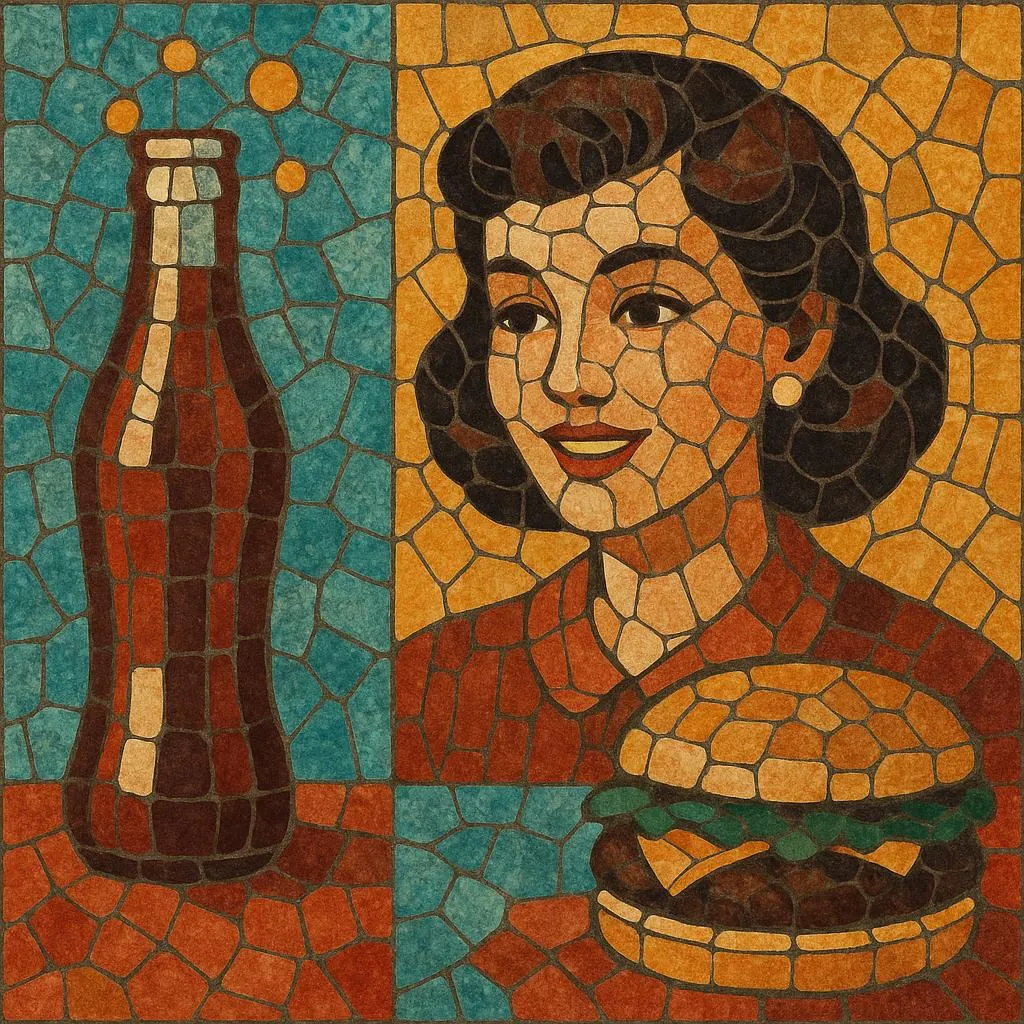
Soda Pop is a nostalgic musical category that encapsulates the sweet, effervescent sound of late 1950s and early 1960s Teen Pop and Doo-Wop.
Named after the 'soda shop' culture of the era, the genre is characterized by tight vocal harmonies, innocent romantic lyrics, and a blend of Rhythm & Blues with catchy, commercial pop melodies.
It often overlaps with 'Malt Shop Pop' and 'Chicano Soul', featuring a clean, reverb-heavy production style that evokes a sense of youthful innocence and vintage Americana.
History
The history of Soda Pop music is deeply rooted in the youth culture of the post-war United States, specifically the late 1950s.
As teenagers became a distinct demographic with spending power, music evolved to cater to their tastes. The 'Soda Pop' sound emerged from the intersection of street-corner Doo-Wop and polished commercial Pop. It was the soundtrack to soda fountains, drive-ins, and high school dances.
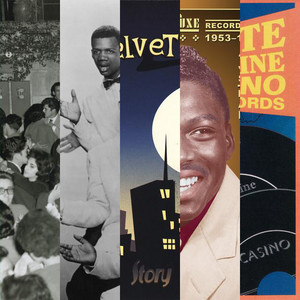
A significant portion of the genre's canon, particularly within the Spotify classification, is driven by the 'Westside Sound' of San Antonio and other Chicano Soul hubs. Groups like The Royal Jesters blended traditional Doo-Wop harmonies with R&B grooves, creating a distinctively sweet and soulful variation that remains a core pillar of the 'Soda Pop' label today.
While the British Invasion of the mid-60s shifted the pop landscape, the Soda Pop sound persisted through nostalgia circuits and revival acts. Modern groups like The Velvet Candles (from Spain) continue to perform in this vintage style, keeping the genre alive alongside the original 50s recordings.
Composing in the Soda Pop style requires capturing the innocence and harmonic structure of the 1950s.
Rhythm and Tempo:
Use a moderate tempo (around 80-120 BPM) with a swing or shuffle feel. The drum beat should be simple, often emphasizing the backbeat (2 and 4) with a soft snare or rimshot.
Harmony:
Stick to the classic '50s Progression' (I-vi-IV-V), such as C-Am-F-G. This provides the nostalgic, cyclical feel essential to the genre. Triplet piano chords in the upper register are a common embellishment.
Instrumentation:
•Vocals: The most critical element. Lead vocals should be smooth and crooning, supported by 3-part or 4-part backing harmonies using nonsense syllables like 'shoo-bop', 'doo-wop', or 'ooh-wah'.
•Guitars: Clean electric guitar with spring reverb, playing arpeggios or simple rhythmic chops on the off-beat.
•Bass: Upright bass or a warm electric bass playing a walking line or a root-fifth pattern.
Lyrics:
Focus on themes of teenage romance, heartbreak, school dances, and idealized love. Keep the language simple, sincere, and sweet.