Your digging level

For this genre
0/8
🏆
Sign in, then listen to this genre to level up

Description

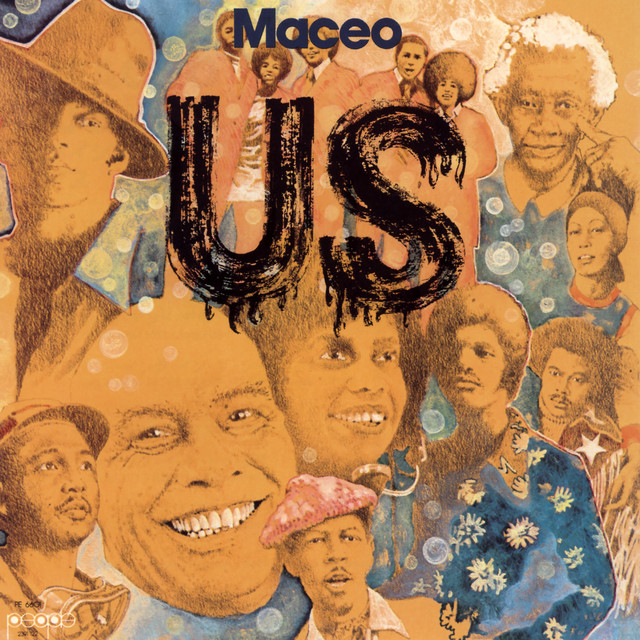
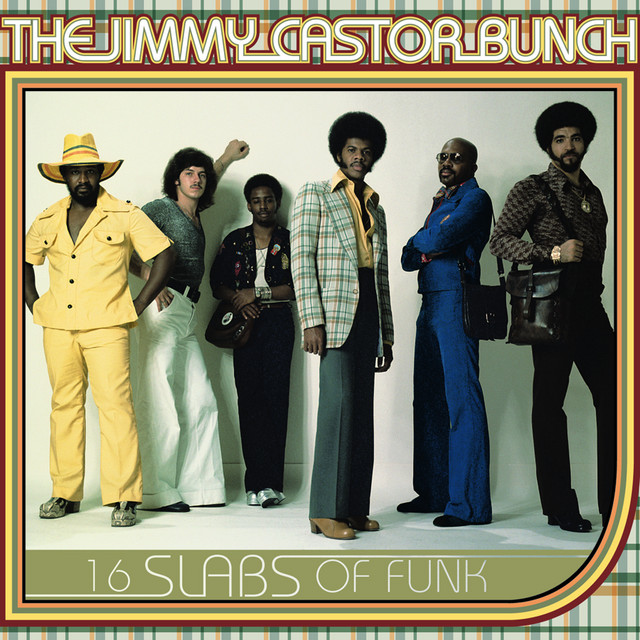
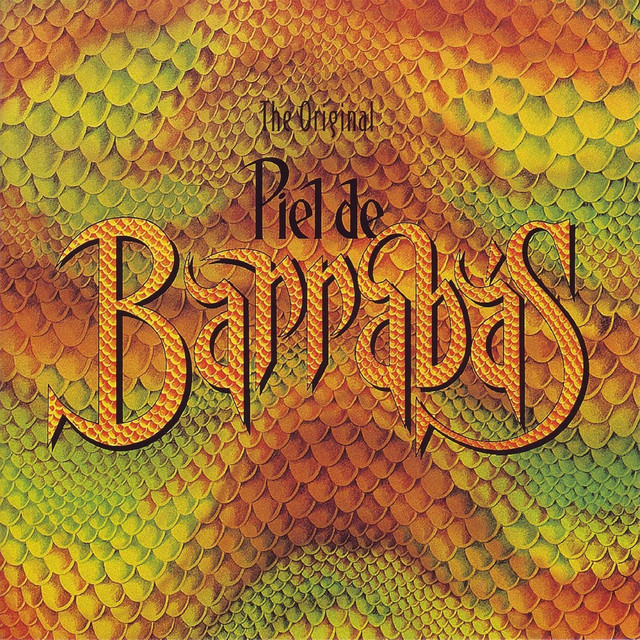
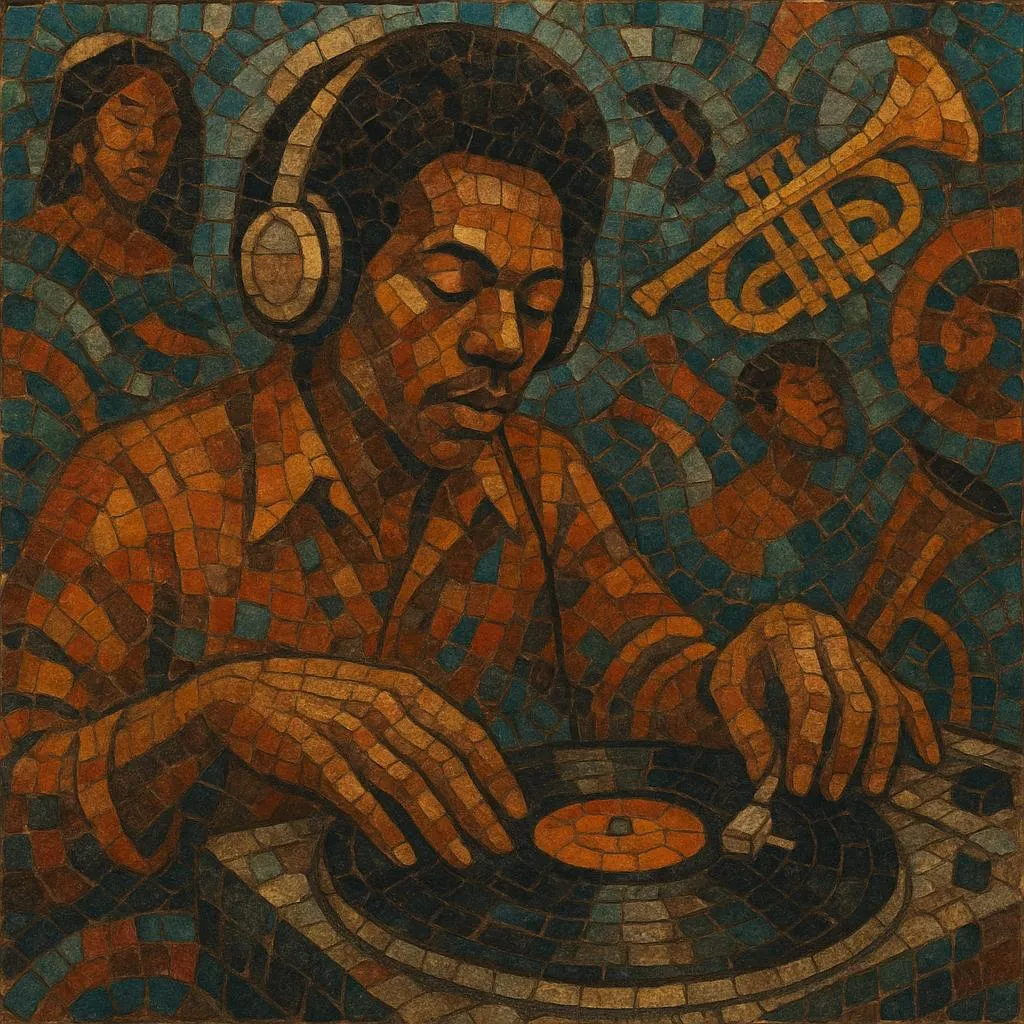
Rare groove is a DJ-driven crate‑digging culture centered on obscure, often out‑of‑print 1970s and early‑1980s soul, funk, jazz‑funk and disco records whose deep rhythms and rich arrangements worked beautifully on dancefloors. The term emerged in London to describe the rediscovery and club circulation of these hard‑to‑find sides, many of which later became staple break sources for hip‑hop producers and sample‑based genres.

Although it names a scene and curatorial aesthetic more than a strict musical form, rare groove points to a recognizable sound: syncopated funk breaks, warm basslines, Rhodes and vibraphone textures, brass stabs, Latin and Afro‑Caribbean percussion, and emotive, often socially conscious vocals. Its emphasis on scarcity, collector culture, and historical recovery helped shape UK club taste and fed directly into acid jazz and other sample‑oriented movements.

Sources: Spotify, Wikipedia, Discogs, RYM, MB, user feedback and other online sources

History

Origins in London
•   The phrase “rare groove” is widely credited to UK DJ Norman Jay, whose pirate‑radio program The Original Rare Groove Show on Kiss 94 FM spotlighted obscure U.S. funk, soul, and jazz‑funk sides for London dancers in the mid‑to‑late 1980s. The scene grew around warehouse parties, specialist record shops, and pirate radio, elevating overlooked 1960s–80s Black American recordings into prized dancefloor cuts.
Sound and practice
•   Rather than a single rhythm or harmonic template, rare groove is a curatorial practice: DJs and collectors sought scarce pressings whose grooves—mid‑tempo funk backbeats, buoyant bass, lush keys, horns, and Latin/Caribbean inflections—moved crowds. This recovery of “lost” catalog linked UK club culture to earlier U.S. soul/funk currents and to northern soul’s devotion to obscure 45s.
Influence and afterlives
•   By the late 1980s the rare‑groove circuit directly seeded London’s acid jazz movement (DJs, labels, and bands folded these grooves into live, contemporary productions). Simultaneously, hip‑hop DJs and producers on both sides of the Atlantic mined rare‑groove breaks for sampling, a habit that also informed later trip hop and breakbeat culture. Digital reissues and online shops later reduced scarcity, but the aesthetic—deep cuts, warm analog sonics, and historical reverence—continues to shape modern DJ sets and compilations.

How to make a track in this genre

Core feel and tempo
•   Aim for mid‑tempo danceability (roughly 90–115 BPM). Build around a tight, syncopated funk backbeat with crisp hi‑hats and occasional open‑hat pushes; let the kick and bass interlock in a lightly swung pocket.
Instrumentation and texture
•   Rhythm section: electric bass (round, melodic lines), dry funk kit, congas/bongos or timbales for Latin/Afro accents. •   Keys: Fender Rhodes, Clavinet, and occasional vibraphone for warm, bell‑like colors. •   Horns: compact sections (trumpet/tenor/alto) for riffs, call‑and‑response punches, and short solos. •   Guitars: clean wah‑wah or muted chanks on the backbeat; occasional fuzz for psychedelic edge.
Harmony and melody
•   Favor minor or dominant‑flavored vamps (ii–V funk loops, bluesy extensions, sus chords). Melodies are catchy but understated; leave space for the groove and for horn/keys figures.
Arrangement
•   Use intros built on drums or bass to create DJ‑friendly break‑ins; add breakdowns and percussion‑only sections that can double as “the break.” Keep tracks 3–6 minutes with a clear pocket throughout.
Lyrics and vibe
•   Themes can be romantic, socially aware, or street‑level storytelling. Delivery should be soulful and direct, with ad‑libs and group chants to energize the floor.
Production approach
•   Prioritize live feel and analog warmth: close‑miked drums with room glue, tape‑style saturation, spring/plate reverb on keys and horns, and minimal quantization. If sampling, chop obscure 1970s funk/soul passages and layer live parts to retain an organic, crate‑dug character.

Top tracks

Locked
Share your favorite track to unlock other users’ top tracks

Upcoming concerts

in this genre
Influenced by
Has influenced

Download our mobile app

Get the Melodigging app and start digging for new genres on the go
© 2026 Melodigging
Melodding was created as a tribute to Every Noise at Once, which inspired us to help curious minds keep digging into music's ever-evolving genres.
Buy me a coffee for Melodigging