Your digging level

For this genre
0/8
🏆
Sign in, then listen to this genre to level up

Description

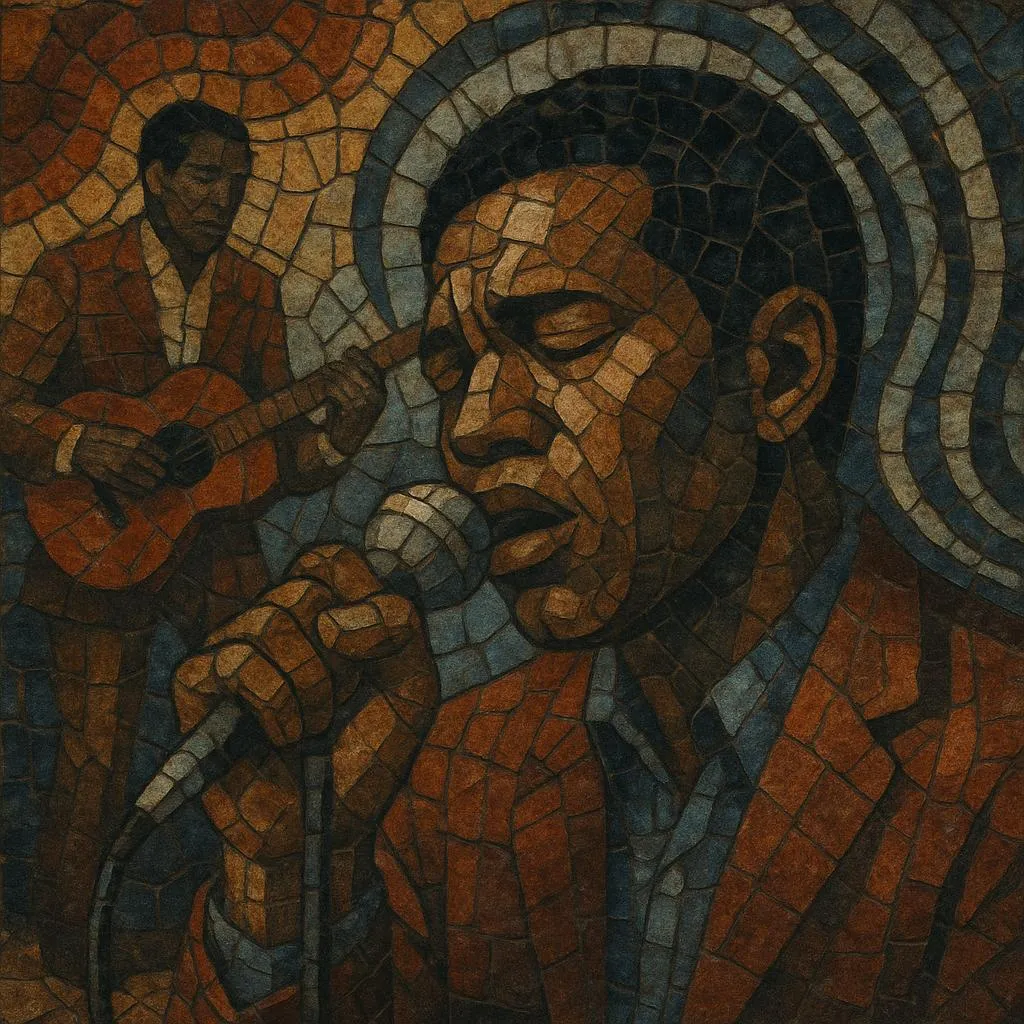
Deep Northern Soul is the more emotive, mid‑tempo, and gospel‑inflected branch of the UK’s Northern Soul scene.

Rather than the frenetic “stompers” that defined many all‑nighters, the deep style favors aching vocals, expressive horn and string arrangements, and lyrically vulnerable themes like heartbreak, longing, and devotion. DJs prized obscure U.S. 1960s–early 1970s 45s—often B‑sides or tiny regional-label singles—whose church‑trained singers and minor‑key harmonies could move dancers as much with feeling as with speed.

The result is dancefloor soul with a tear in its eye: steady 4/4 backbeats, warm bass lines, handclaps and tambourine, call‑and‑response backing vocals, and dramatic bridges or middle‑eights that give the singer room to testify.


Sources: Spotify, Wikipedia, Discogs, RYM, MB, user feedback and other online sources

History

Origins (late 1960s–early 1970s)

Northern Soul emerged in clubs across Northern England as DJs and dancers embraced rare, uptempo American soul 45s cut in the mid‑1960s. Alongside that high‑energy sound, a parallel taste developed for mid‑tempo and emotionally intense sides—records with gospel‑steeped vocals, minor‑key turns, and torch‑song narratives. This pocket is what collectors and DJs came to call Deep Northern Soul.

Club culture and the “deep” shift

At venues connected to the scene—late‑night rooms and all‑nighters—selectors began programming more reflective stretches: slower burns, crossover cuts, and deep soul ballads that still carried a compelling groove. The focus moved from sheer BPM to the feeling in the singer’s performance, the swell of strings and horns, and the dramatic release of a well‑timed middle‑eight. DJs competed to unearth ever more obscure regional singles from Detroit, Chicago, New Orleans, Memphis, and beyond.

Digging, reissues, and canon formation

Through the 1980s–2000s, specialist reissue labels, record fairs, and fanzines codified the deep canon, moving once‑impossible private‑press 45s into wider circulation. Compilations and later digital platforms helped globalize the sound while preserving the scene’s crate‑digging ethos: reverence for the original 7‑inch and for artists who never saw mainstream success but cut transcendent sides.

Legacy and continuing influence

Deep Northern Soul’s blend of devotional vocals, live rhythm sections, and cinematic arrangements fed into UK rare groove and acid jazz, while its emotional candor and warm analog textures informed later retro‑soul and even strands of neo‑soul. Today it remains a DJ culture built on discovery—where a room can lift on the power of a lost voice from a small American studio half a century ago.


How to make a track in this genre

Core feel and tempo
•   Aim for a steady 4/4 pocket at roughly 85–110 BPM—enough to move dancers without rushing the vocal. •   Favor minor keys or bittersweet major progressions to support themes of yearning and resolve.
Harmony and melody
•   Use classic soul changes: I–vi–IV–V, ii–V–I, or i–VI–VII–V (minor turns). Add gospel color with IVmaj7, V7sus, and secondary dominants. •   Write a strong, singable topline with space for expressive melisma. Plan a dramatic middle‑eight or key‑lift to heighten emotion.
Rhythm section
•   Drums: live kit with crisp backbeat on 2 & 4, light swing on hi‑hat, tambourine and handclaps for lift. •   Bass: warm, melodic lines that outline chord movement and push the groove (think walking fragments and octave dips). •   Keys/Guitar: Hammond or electric piano comping; guitar plays clipped Motown‑style chords, occasional arpeggios, and tasteful fills.
Arrangements and hooks
•   Horns (trumpet/tenor/alto) and a small string pad (real or well‑voiced samples) for swells, call‑and‑response riffs, and codas. •   Backing vocals: gospel‑style responses, oohs/ahhs in thirds and sixths, reinforcing hooks and emotional punchlines. •   Typical form: Intro hook → Verse → Chorus → Verse → Chorus → Middle‑eight (or modulation) → Double chorus → Tag/ride‑out.
Lyrics and delivery
•   Center on romantic perseverance, heartbreak, faith, or redemption; write in direct, conversational lines that land as statements. •   Vocal: dynamic build from confessional verses to testifying choruses; prioritize feeling over ornament, with a few well‑placed ad‑libs.
Production aesthetics
•   Track to capture live‑room energy: minimal overdubs, plate or spring reverb on vocal, light tape saturation, and tight mono‑compatible mixes. •   If using modern tools, emulate 7‑inch warmth: gentle high roll‑off, rounded transients, and cohesive room ambience.
DJ and dancefloor awareness
•   Give dancers identifiable entries (drum pickup, tambourine count‑in) and a clear, repeatable chorus hook. •   Keep endings DJ‑friendly: cold‑stop or short vamp suitable for cueing and blends.

Top tracks

Locked
Share your favorite track to unlock other users’ top tracks

Upcoming concerts

in this genre
Influenced by
Has influenced

Download our mobile app

Get the Melodigging app and start digging for new genres on the go
© 2026 Melodigging
Melodding was created as a tribute to Every Noise at Once, which inspired us to help curious minds keep digging into music's ever-evolving genres.
Buy me a coffee for Melodigging