Your digging level
Description
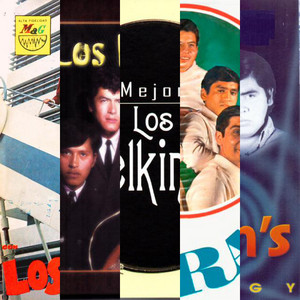
Nueva Ola Peruana is the Peruvian branch of the broader Latin American "Nueva Ola" youth-pop and rock movement that crystallized in the 1960s.
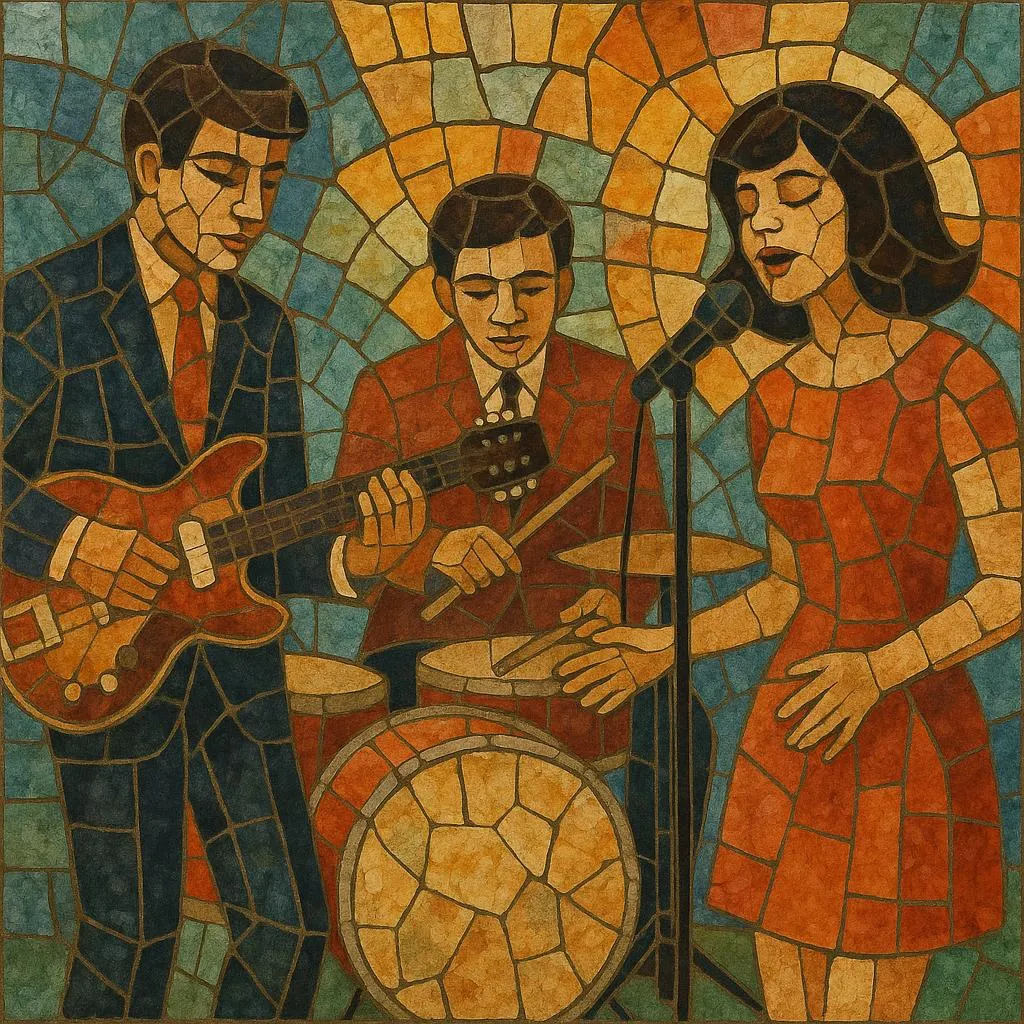
It blended early rock & roll, beat, surf, and teen pop aesthetics with Spanish-language lyrics and a local, urban Peruvian sensibility. Bands often started by covering Anglo-American hits, then moved toward original material that kept the concise song forms, backbeat-driven rhythms, vocal harmonies, and clean guitar tones characteristic of the era.
Although stylistically diverse—from surf instrumentals to beat/garage and melodic pop—the scene shared a spirit of modernity, danceability, and teenage romanticism. It provided the foundational infrastructure (bands, labels, radio/TV exposure, venues) that enabled later Peruvian rock, psychedelia, and independent scenes to emerge.
History
Peru’s Nueva Ola arose in Lima’s middle-class districts as teenagers formed electric-guitar combos inspired by imported rock & roll, beat music, and surf. Local labels and promoters quickly recognized the demand for Spanish-language interpretations of international hits, giving birth to a brisk cycle of 7-inch singles, radio play, and TV appearances. Early bands honed tight, danceable arrangements and vocal harmonies while introducing Spanish lyrics that addressed youth culture, romance, and urban nightlife.
As the movement gained confidence, groups shifted from covers to original compositions, expanding from surf and beat into garage-leaning pop-rock and, for some, proto-psychedelic textures. Independent labels and studios in Lima became talent incubators, and ballrooms, clubs, and youth festivals helped forge a recognizable scene. The sound remained concise—two- to three-minute songs with strong hooks—yet production values grew more ambitious, adding organs, fuzz tones, and richer vocal arrangements.
Political and cultural headwinds at the turn of the decade curtailed mainstream visibility for rock-oriented music in Peru, reducing TV and radio exposure and limiting large-scale events. Even so, the Nueva Ola generation seeded the next wave of Peruvian styles: some artists pivoted to heavier rock, psychedelia, and progressive flavors; others funneled their studio and arranging expertise into adjacent genres, from soul and funk to the burgeoning Latin rock ecosystem.
Nueva Ola Peruana is now viewed as the bedrock of Peru’s modern popular music infrastructure. Its DIY spirit, label ecosystem, and Spanish-language rock vocabulary made later movements—garage revivals, indie scenes, and Latin alternative—feasible. Reissues and retrospectives have since highlighted the scene’s breadth, reaffirming its importance in both Peruvian cultural memory and the broader history of rock en español.