Your digging level
Description
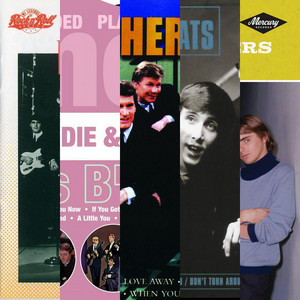
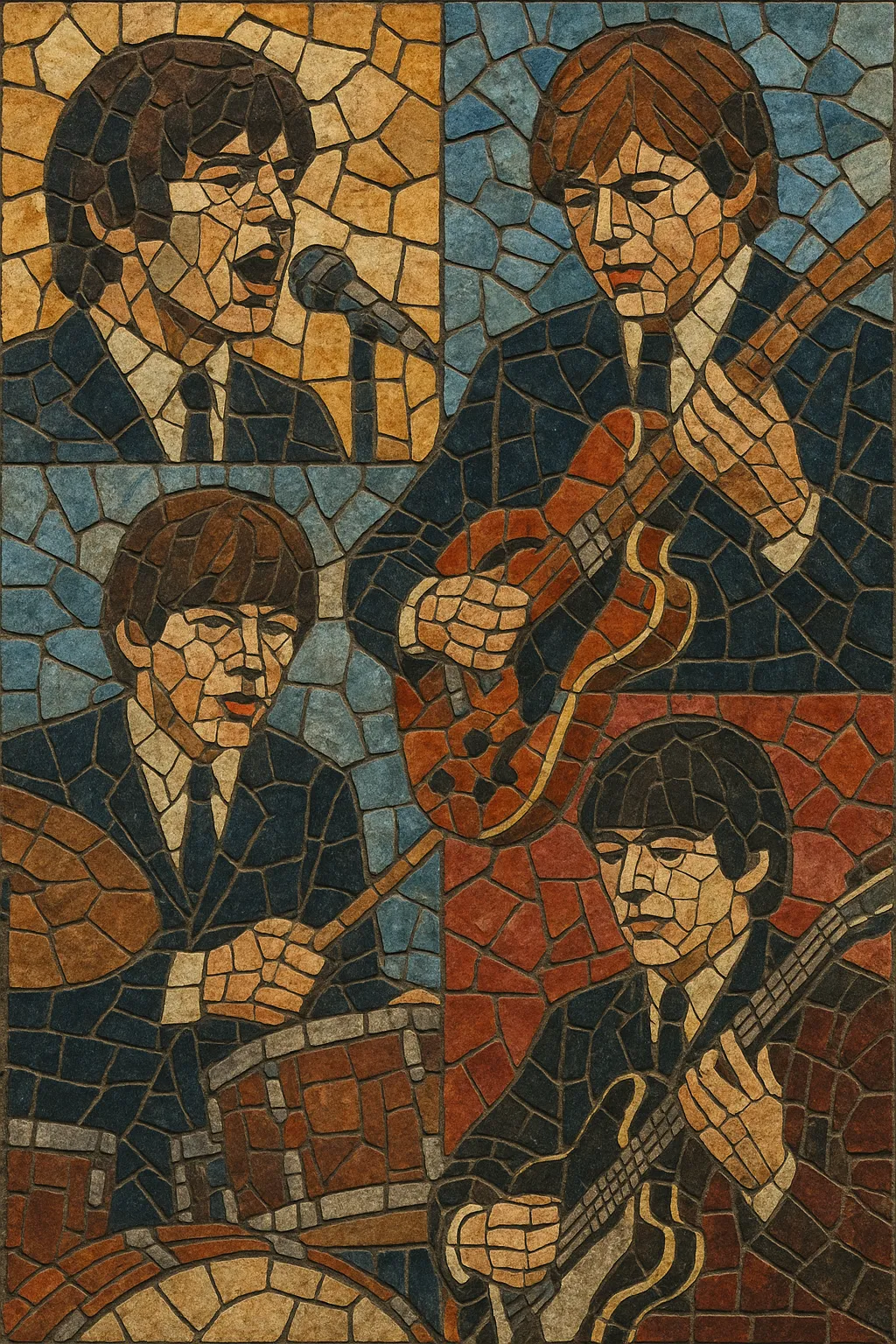
British Invasion is the wave of United Kingdom rock and pop acts that broke into the U.S. and global charts in the mid-1960s, reshaping popular music and youth culture.
It blends American rock and roll, rhythm & blues, blues, and doo‑wop foundations with UK beat-group energy, tight vocal harmonies, hook-forward songwriting, and a distinctive guitar-driven sound. The result ranges from exuberant, danceable singles to increasingly sophisticated studio creations that paved the way for psychedelic, baroque, and art-pop experiments.
Known for sharp image-making, charismatic frontmen, and songwriter-led bands, British Invasion groups set new standards for self-contained ensembles that wrote, performed, and recorded their own material.
History
British Invasion grew out of UK teenagers absorbing American rock and roll, rhythm & blues, blues, and doo‑wop. Early British beat groups honed tight ensemble playing, vocal harmonies, and catchy riffs, often filtered through local club circuits (Liverpool’s Cavern Club, London’s R&B rooms) and a DIY ethic of self-contained bands.
The Beatles’ UK chart dominance in 1963 and their 1964 appearances on The Ed Sullivan Show triggered a massive U.S. demand for British groups. The Dave Clark Five, The Rolling Stones, The Animals, and Gerry & The Pacemakers quickly followed, flooding American radio and television. British Invasion acts topped U.S. charts, transformed fashion and youth culture, and helped define the modern pop “band” as the unit of creativity.
As more bands crossed over, the palette widened: The Kinks introduced hard-edged riff craft and social commentary; The Who combined mod energy with power-chord aggression and theatricality; The Yardbirds pushed blues-based guitar experimentation. The Hollies and Herman’s Hermits emphasized harmony-rich, radio-ready pop. British R&B interpretations and original songwriting both thrived.
British Invasion bands drove rapid studio innovation: double-tracking, tape manipulation, orchestral color, and non-rock instruments. This period bridged into psychedelic rock and baroque pop, with increasingly ambitious albums changing the industry’s focus from singles to long-players.
By the late 1960s, British Invasion evolved into harder rock, progressive rock, and singer-songwriter sophistication. Its blueprint—guitar bands writing their own material, global touring, album-focused artistry—directly influenced garage rock, folk rock, power pop, punk, Britpop, and indie rock. The movement proved that transatlantic exchanges could reinvent popular music on a global scale.