Your digging level
Description
South African rock is the umbrella for rock made in South Africa that fuses Anglo‑American rock idioms with local rhythms, guitar figures, and multilingual lyric traditions. Its sound ranges from late‑60s psych/prog experiments to 70s hard rock and pop‑rock, 80s post‑punk/new wave and Afrikaans alt‑rock, and 90s–2000s alternative, post‑grunge, and indie.
Shaped by the country’s unique social history, the scene developed under apartheid‑era censorship and venue restrictions, which pushed bands to innovate on the live circuit and in independent studios. Many artists thread in grooves and harmony ideas from marabi, township jive, and maskandi, and sing in English, Afrikaans, and indigenous languages—creating a distinctly South African take on rock that can be both fiercely anthemic and rhythmically danceable.
History
Rock and roll and the British Invasion catalyzed a first wave of South African rock groups in the mid‑to‑late 1960s. Early bands picked up beat‑group energy and began folding in local harmonic turns and swing feels drawn from marabi and township jive.
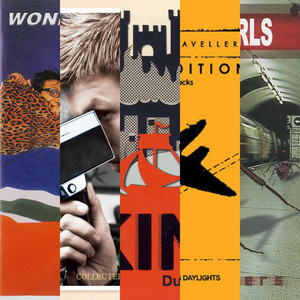
The 1970s saw a surge of adventurous acts. Freedom’s Children and Hawk (Jo’burg Hawk) fused psychedelia and progressive rock with African rhythmic sensibilities, while Suck pushed heavy, proto‑metal textures. Rabbitt brought polished pop‑rock to mainstream audiences, helping normalize homegrown rock on radio and in large venues despite political and cultural constraints.
Post‑punk and new wave currents arrived via independent media and touring. eVoid, Asylum Kids, and No Friends of Harry reflected global trends while sounding distinctly local. The 1989 Voëlvry movement—an Afrikaans alternative rock tour and scene—challenged cultural norms, proving rock could be a vehicle for dissent, identity exploration, and language revitalization in South Africa.
With the end of apartheid and a liberalizing industry, bands like Springbok Nude Girls, Just Jinjer, and Seether (formed as Saron Gas) broke nationally and, in Seether’s case, internationally, aligning with alternative, post‑grunge, and hard‑rock markets. Indie and festival circuits expanded, fostering new studios, labels, and a broader rock audience.
The Parlotones, Fokofpolisiekar, Prime Circle, BLK JKS, and a vibrant indie ecosystem continued to diversify the sound—mixing art‑rock, post‑punk revival, Afrikaans alt‑rock, and polyrhythmic guitar lines influenced by maskandi and township styles. Today, South African rock thrives across club stages and festivals, with bilingual and multilingual songwriting and a rhythmic feel that remains unmistakably South African.
Use a classic rock lineup—electric guitars (rhythm + lead), electric bass, drum kit, and vocals. Augment with percussion (congas, shakers) or keys (organ/synth) to nod to marabi/jive textures. Clean‑to‑crunch guitar tones with chorus or slapback suit new‑wave and indie variants; fuzz and overdrive fit heavy/prog roots.
Anchor the kit with straight rock backbeats but add South African lift: syncopated hi‑hat patterns, swung 8ths/12‑8 feels, and off‑beat guitar skanks inspired by township jive. Work in cyclical grooves (2–4 bar ostinati) and light polyrhythms—e.g., a 3‑over‑4 guitar riff over a steady 4/4 drum pattern—to suggest maskandi and marabi heritage while keeping it danceable.
Combine rock power‑chord drive with marabi‑style turnarounds (I–IV–V with chromatic approach tones) and modal color (Dorian or Mixolydian) for lead lines. Interlocking guitar figures—one riffing on a repeating hook, the other outlining chord tones—create lattice textures common in SA rock.
Write anthemic, sing‑along choruses and socially aware verses. Explore identity, place, love, and critique (historical or contemporary). Alternate or blend languages (English/Afrikaans/isiZulu/others) for authenticity and rhythmic phrasing options. Call‑and‑response backing vocals can evoke choral traditions.
Keep live energy central: record tight rhythm tracks, layer percussion subtly, and double guitar hooks. Pan interlocking guitars for width. For heavier tracks, tighten low‑end (kick/bass sidechain) and let vocals sit forward for chorus lift. For indie/new‑wave edges, emphasize chorus/flanger on guitars and a snappy snare.