Your digging level

For this genre
0/8
🏆
Sign in, then listen to this genre to level up

Description

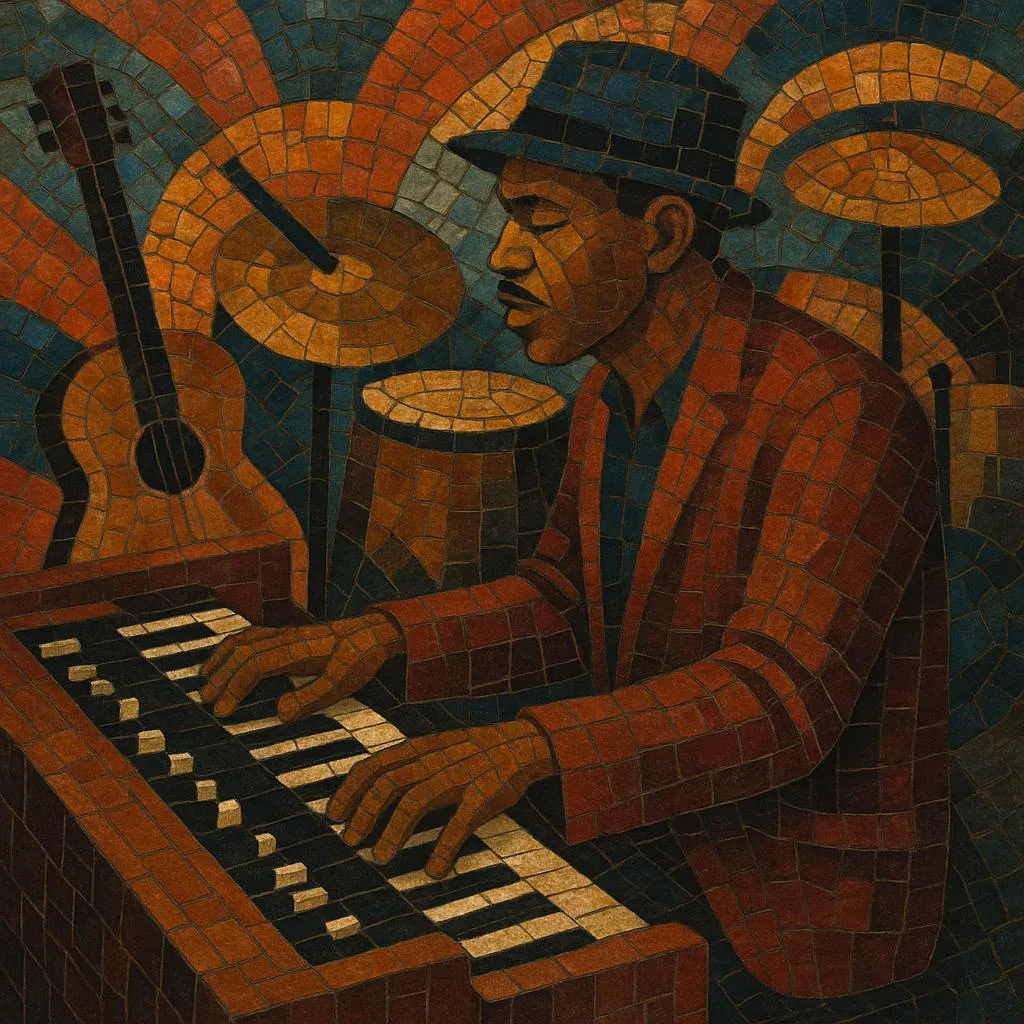
Jazz organ is a substyle of jazz centered on the electric tonewheel organ, most famously the Hammond B‑3 with Leslie speaker.

It blends the harmonic language and improvisational vocabulary of hard bop with the church‑inflected cadences of gospel and the backbeat of rhythm & blues, often in compact organ‑guitar‑drums trios.

Typical hallmarks include walking or pedal bass lines played on the organ, greasy blues phrasing, shimmering Leslie vibrato/chorale effects, and earthy, danceable grooves ranging from swing to funk and boogaloo.


Sources: Spotify, Wikipedia, Discogs, RYM, MB, user feedback and other online sources

History

Early development (1950s)

The introduction of the Hammond B‑3 and Leslie speaker into jazz in the mid‑1950s transformed the organ from a novelty into a frontline jazz instrument. Organ trios became a staple of urban clubs, marrying bebop changes to R&B backbeats and churchy voicings. The format’s portability and powerful sound suited small venues and after‑hours scenes.

Golden era and diversification (1960s)

Through the 1960s, organ jazz flourished alongside hard bop and soul jazz. Players expanded the idiom with blues shuffles, boogaloo rhythms, and standards reimagined with pedal bass and percussive comping. The organ’s timbral flexibility encouraged extended vamps, call‑and‑response figures, and gospel‑tinged shout choruses that energized dance floors.

Fusion, funk, and revival (1970s–1990s)

As jazz‑funk and fusion rose, organists embraced deeper funk grooves, electric textures, and studio production. Though tastes shifted, the organ trio survived in regional circuits and recordings. The 1990s saw a revival driven by reissues, acid jazz’s crate‑digging culture, and new players renewing the classic organ trio format.

Contemporary scene (2000s–present)

Modern artists combine the classic drawbar palette with post‑bop harmony, hip‑hop inflections, and contemporary production. The idiom remains vibrant in clubs and festivals, with the B‑3 sound still emblematic of groove‑oriented, audience‑friendly jazz.

How to make a track in this genre

Instrumentation and sound
•   Core lineup: organ–guitar–drums. Add saxophone for melodic lead or substitute guitar with a second chordal voice. •   Use a tonewheel organ or high‑quality emulation with a Leslie rotary effect. Set slow/fast switching for chorale/tremolo and ride the speed changes for expression.
Harmony and voicings
•   Root your language in blues and hard bop: ii–V–I chains, turnarounds, tritone substitutions, and diminished approaches. •   Organ voicings: close‑position 3rds/7ths with color tones (9, 13) on upper manuals; leave room for the bass. •   Favor gospel cadences (IV–iv–I, plagal “amen” tags) and dominant chords with altered extensions over vamps.
Bass and groove
•   Play left‑hand/pedal bass: outline roots and approach tones; walk in swing, lock to eighth‑note ostinati in boogaloo/funk. •   Drum feels: medium swing, backbeat soul, boogaloo (16th‑note sync), and funk breaks. Keep grooves danceable and pocket‑focused.
Melodic approach and improvisation
•   Blend bebop lines with blues vocabulary: enclosures, chromatic approaches, call‑and‑response riffs, and shout choruses. •   Exploit the organ’s sustain and swells: phrase with Leslie speed changes, percussion on/off, and drawbar moves for dynamic arcs.
Repertoire and arranging
•   Mix blues heads, R&B tunes, standards, and vamp‑based originals. Arrange with hits, stop‑time, and pedal‑point interludes. •   Feature guitar for single‑note lines and comping; trade fours with drums; build finales with gospel‑style modulations and riffs.

Top tracks

Locked
Share your favorite track to unlock other users’ top tracks

Upcoming concerts

in this genre
Influenced by
Has influenced

Download our mobile app

Get the Melodigging app and start digging for new genres on the go
© 2026 Melodigging
Melodding was created as a tribute to Every Noise at Once, which inspired us to help curious minds keep digging into music's ever-evolving genres.
Buy me a coffee for Melodigging