Your digging level
Description
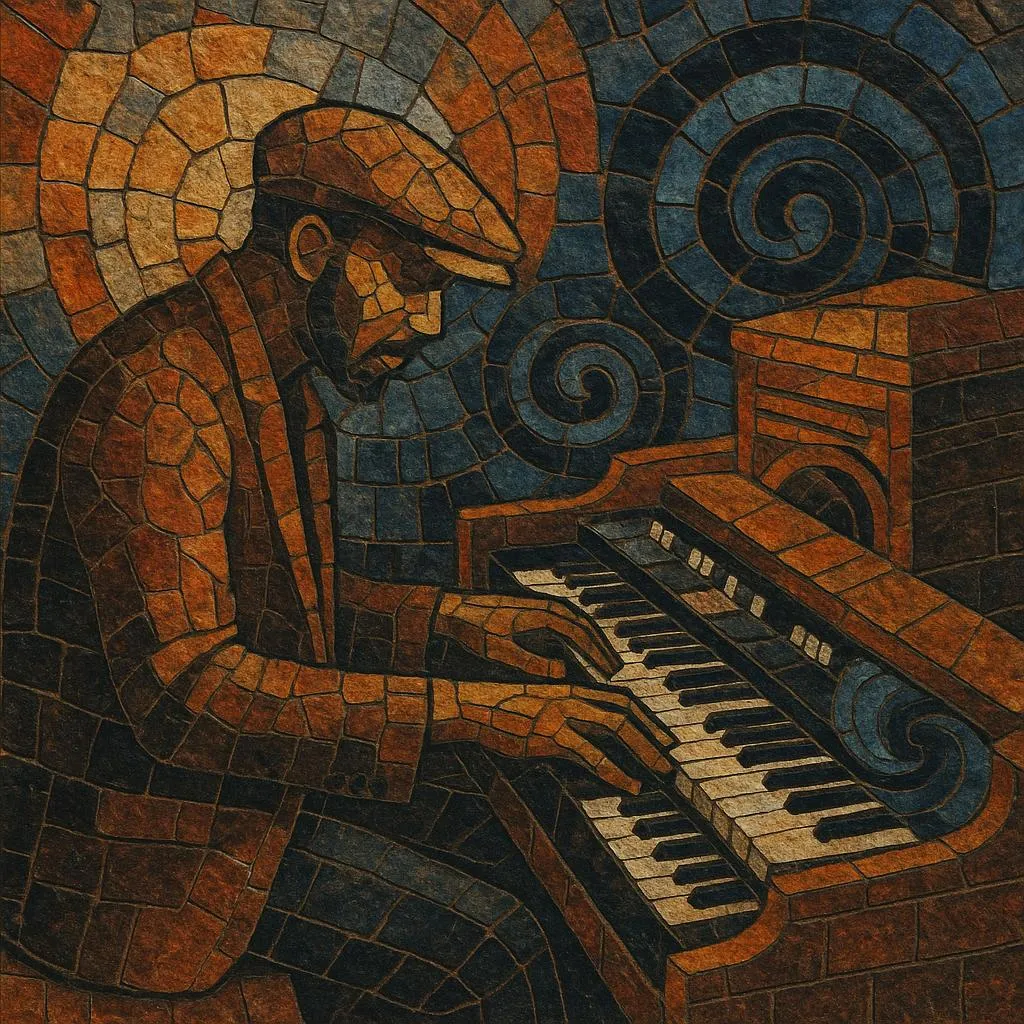
Hammond organ refers to music built around the distinctive electro‑mechanical Hammond tonewheel organ (especially the B‑3) and its swirling Leslie speaker.
The style blends bluesy gospel harmonies, jazz improvisation, and R&B groove into greasy, percussive organ leads and walking or boogaloo bass lines (often played on the organ’s pedalboard or lower manual). In bands, the Hammond often fronts an "organ trio" with guitar and drums, but it is just as iconic in larger soul, funk, and rock ensembles.
Its sound is characterized by drawbar sculpting, key click, percussion settings, palm smears, glissandi, and expressive chorale/tremolo Leslie switching that moves from warm pads to roaring, overdriven leads.
History
The Hammond tonewheel organ was introduced in 1935, quickly adopted in churches as a portable, affordable alternative to pipe organs. By the late 1940s and early 1950s, jazz and R&B musicians began moving the instrument into clubs. Techniques like using the Leslie rotary speaker, riding drawbars, and percussive settings shaped a new, earthy, electric-organ voice distinct from prior theater or pipe-organ traditions.
In the 1950s, organ-led combos crystallized the idiom: the “organ trio” (organ, guitar, drums) delivered blues-based forms, gospel cadences, and bebop language with danceable backbeats. Record labels recorded countless organ sessions, establishing the Hammond sound as a pillar of soul-jazz and R&B. The instrument’s portability and volume made it a club favorite.
As funk rhythms tightened and rock grew heavier, the Hammond’s overdriven Leslie and thick midrange became central to psychedelic, progressive, and hard rock textures, while jazz players pushed modal, avant, and jazz‑funk directions. The organ became both a groove engine and a soloist’s powerhouse.
Digital keyboards briefly displaced the heavy B‑3 in the 1980s, but the classic tonewheel/Leslie combination continued to inspire. Neo‑soul, acid jazz, jam bands, and modern jazz sparked a renewed Hammond culture, while clonewheel organs and new Leslie simulations made the sound more accessible. Today, the Hammond aesthetic remains a living tradition across jazz clubs, gospel churches, funk stages, and rock venues.