Your digging level
Description
Deep Motown is a collector-focused subset of the classic Motown sound that spotlights rarities, B‑sides, unreleased sessions, and overlooked singles from the Motown family of labels (Tamla, Gordy, Soul, Miracle, etc.). It preserves the label’s trademark recipe—tight backbeat with tambourine on 2 and 4, melodic James Jamerson–style bass lines, handclaps, punchy horns and strings, and call‑and‑response vocals—while shifting attention from the famous hits to the catalog’s hidden corners.
Typical tracks are arranged for dancing in mono or narrow stereo, with hook-forward songwriting, gospel-inflected harmonies, and bright, radio-ready production from Hitsville U.S.A. The result feels at once familiar and newly discovered: the same shimmering Detroit soul aesthetic, but with deeper cuts that reveal the breadth of the Motown studio system and the artistry of lesser‑known singers, writers, and house bands.
History
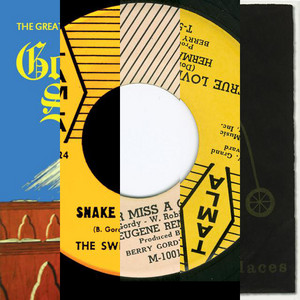
Motown’s house style crystallized in Detroit in the early 1960s, blending gospel drive, doo‑wop harmonies, and R&B grooves into concise, pop‑aimed soul recordings. Alongside the label’s global hits, the same teams of writers, producers, and the Funk Brothers rhythm section cut scores of B‑sides, regional singles, shelved masters, and instrumental sides for Motown’s subsidiary imprints. These lesser‑known recordings—often pressed in small runs or never released—form the kernel of what later became known as “deep Motown.”
In the UK, all‑nighter scenes prized fast, uplifting American soul 45s—particularly scarce Detroit pressings. DJs sought Motown’s obscurities for their dancefloor energy, helping canonize a parallel repertoire of non‑hits. That culture provided both the market and the vocabulary for thinking about Motown not only as chart‑toppers, but also as a deep well of dance‑ready rarities.
As archives opened and reissue programs expanded, collectors and historians surfaced unreleased takes, alternate mixes, and forgotten singles. Liner‑note scholarship illuminated the role of in‑house musicians, writers, and producers behind these sides. The term “deep Motown” solidified as a way to signal that focus: the sound and craft of Motown, heard through its rarest catalog entries.
Playlists and box sets have made once‑scarce recordings more accessible. Listeners now approach Motown as an ecosystem: blockbuster hits plus a deep bench of artists and studio experiments. In this context, deep Motown functions as a living archive—music with the same euphoric stomp and sophisticated songwriting, but prized for its rarity, backstories, and dancefloor potency.