Your digging level
Description
Nortec is a border-born fusion from Tijuana that blends the acoustic timbres and rhythmic feels of norteño and banda sinaloense with the pulse and structure of techno and house.
Characterized by tuba-as-bass lines, tarola (snare) rolls and rimshots, accordion and brass riffs, and 4/4 club grooves, Nortec treats regional Mexican motifs as sample material, sequencing and filtering them like electronic elements. The result is a high-energy, dance‑floor sound that feels both futuristic and rooted in local tradition.
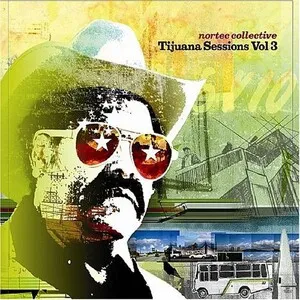
Beyond audio, Nortec often arrives with a strong visual identity—modular, grid-based graphics and industrial border imagery—mirroring its cut‑and‑splice production style and cross‑cultural spirit.


History
Nortec emerged in Tijuana, Mexico, when local producers began sampling and recontextualizing sounds from norteño and banda sinaloense within techno/house frameworks. Cheap samplers, trackers, and early DAWs enabled artists to loop tuba notes as sub‑bass, chop tarola rudiments, and layer accordion or brass riffs over steady 4/4 kicks. This border-city setting—constantly absorbing U.S. club culture and Mexican regional music—was crucial to the style’s identity.
Under the umbrella of the Nortec Collective (including Bostich, Fussible, Clorofila, Panóptica, Terrestre, Hiperboreal, and Plankton Man), the sound crystallized on compilations and performances that toured globally in the early 2000s. Albums and live shows foregrounded a hybrid ethos: club-ready structures, glitchy edits, and audiovisual presentations referencing maquiladora industry, border iconography, and street parades.
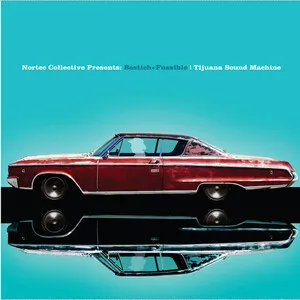
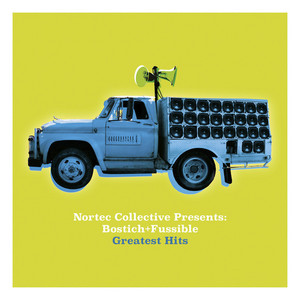
As the 2000s progressed, the project’s members released solo and duo works (notably Bostich + Fussible), refining a palette of tuba-driven bass, syncopated tarola fills, and filtered brass stabs. Nortec helped validate Latin/electronic hybrids on international stages and inspired subsequent waves of Latin electronic producers to treat local traditions as modular materials for dance music.
While the scene’s original collective activity ebbed, the approach—sampling regional ensembles and arranging them like techno—echoes in newer Mexican fusions and the broader Latin electronic landscape, from festival stages to art spaces.