Your digging level
Description
Memphis blues is an early urban blues style associated with Beale Street in Memphis, Tennessee. Emerging in the 1910s and flourishing through the 1930s, it combines country-blues guitar idioms with a lively, syncopated, ragtime-inflected groove.
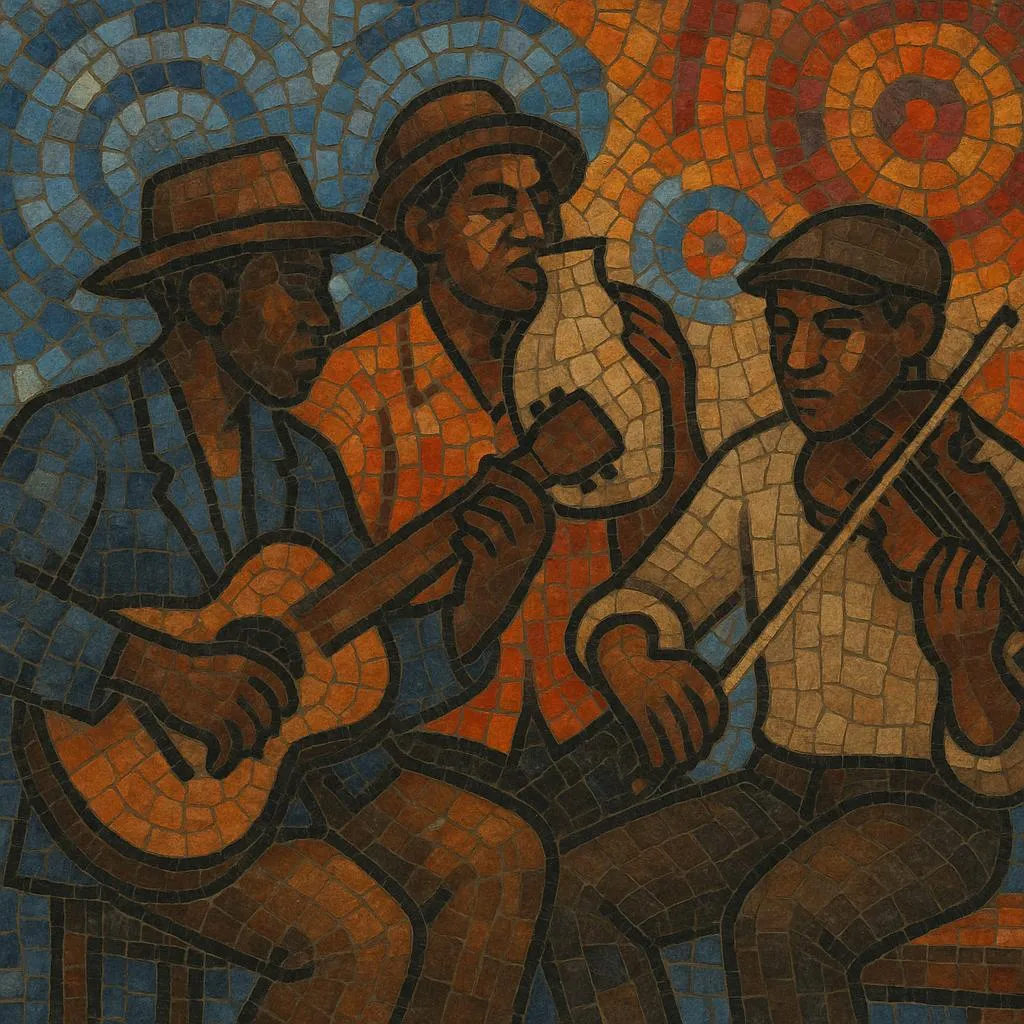
Distinctive features include ensemble performance—especially jug bands with jug bass, kazoo, mandolin/banjo-mandolin, fiddle, washboard, harmonica, and guitar—alongside solo singer-guitarists. Tempos often favor dancing, lyrics are vivid and streetwise, and call-and-response hooks reflect vaudeville and medicine-show showmanship. The style was codified in sheet music and popular entertainment as much as in itinerant performance, helping bridge rural Southern blues and the city’s later R&B and rock ’n’ roll.
History
Memphis blues coalesced along Beale Street, a bustling African American entertainment district of theaters, clubs, and medicine shows. The publication of W. C. Handy’s “The Memphis Blues” (1912) popularized a written, orchestrated conception of blues while drawing on local Black performance traditions. Street-corner duos and jug ensembles developed a syncopated, danceable strain distinct from the starker Delta sound upriver.
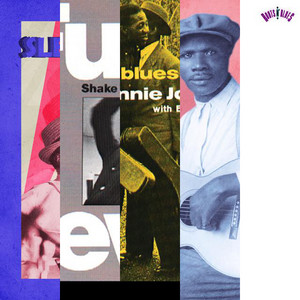
By the late 1920s, labels such as Victor, Vocalion, and Columbia were documenting Memphis artists. The Memphis Jug Band (led by Will Shade), Cannon’s Jug Stompers (led by Gus Cannon), Frank Stokes, Furry Lewis, Sleepy John Estes, and Memphis Minnie crafted a sound that mixed 12‑bar blues with ragtime rhythms, playful hokum, and double‑entendre lyrics. Portable, inexpensive instruments (jug, kazoo, washboard) made the music ideal for busking and parties, while its rhythmic vitality made it a favorite for dance halls and vaudeville stages.
The Great Depression contracted the recording market, but the style endured on the street and in local venues. Postwar Memphis became a crucible for electric blues and early R&B via radio (notably WDIA) and studios such as Sam Phillips’ Memphis Recording Service (Sun). Veterans and younger players adapted the Beale Street feel to amplified bands, helping set the stage for jump blues, R&B, rockabilly, and rock ’n’ roll.
Memphis blues provided a crucial bridge from rural Southern blues to urban, horn‑driven R&B and the backbeat that would power rock ’n’ roll. Its repertoire, buoyant rhythms, and showmanship remain core to blues jam vocabulary and to modern acoustic string‑band revivals, while the Beale Street mythos remains central to the blues’ popular imagination.