Your digging level
Description
Traditional blues refers to the foundational, largely acoustic forms of the blues that took shape in the American South in the early 20th century.
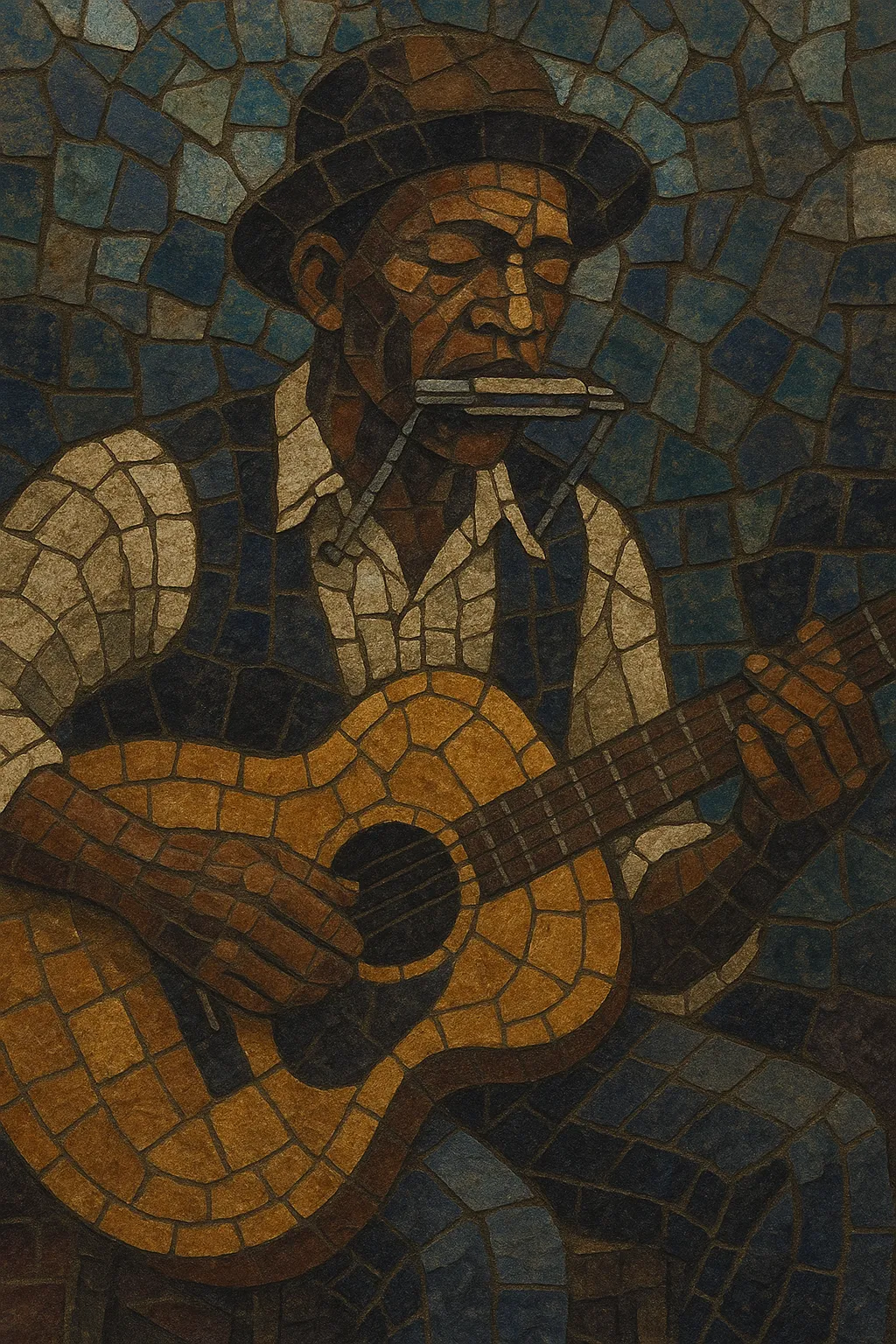
It blends African-derived vocal practices (call-and-response, blue notes, melisma) with work songs, field hollers, spirituals, and ring shouts, coalescing into personal, narrative songs accompanied by guitar, voice, and sometimes harmonica.
Musically, it is known for 12-bar and 8-bar structures, dominant use of the I–IV–V harmony, swung/shuffle or 12/8 feels, expressive microtonal bends, and AAB lyrical stanzas. Lyrically, it addresses hardship, longing, resilience, travel, love, and humor. Regional styles such as Delta, Texas, and Piedmont reflect different guitar techniques, rhythms, and vocal approaches while retaining a common core.
History
Traditional blues emerged in the Deep South of the United States as African American musicians synthesized elements of West African musical practice with the lived experience of post-Emancipation America. Field hollers, work songs, spirituals, and ring shouts provided the vocal style, call-and-response patterns, and blue-note inflections that became hallmarks of the blues. By the 1900s, itinerant singers and guitarists were performing a recognizable blues idiom across plantations, juke joints, and street corners.
The term “blues” entered popular print in the 1910s, and the first widely circulated blues recordings arrived in the early 1920s. The “classic blues” era—led by powerful female vocalists like Ma Rainey and Bessie Smith—brought the idiom to theaters and record catalogs (often on "race records" labels). Meanwhile, solo and duo country-blues musicians recorded for labels like Paramount and Okeh, capturing regional approaches on 78 rpm discs.
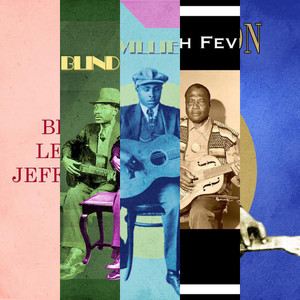
Distinct styles crystallized: the Mississippi Delta featured raw, rhythmic, slide-driven guitar; Texas emphasized fluid single-note picking and freer phrasing; Piedmont players on the East Coast used syncopated fingerpicking inspired by ragtime. Artists like Charley Patton, Son House, Blind Lemon Jefferson, Robert Johnson, and Skip James established canonical repertoires and techniques that defined the genre’s vocabulary.
The Great Migration carried blues north to cities like Chicago and Detroit. Amplification and small rhythm sections transformed the sound, laying groundwork for Chicago blues, jump blues, and eventually rhythm & blues and rock and roll. Although instrumentation evolved, the traditional blues song forms, harmonic language, and storytelling remained central.
Traditional blues underpins most American popular music: jazz, R&B, soul, rock and roll, and blues rock all inherit its forms and expressive devices. Folk and blues revivals from the 1950s onward reintroduced early masters to new audiences, preserving acoustic performance practices and ensuring the style’s continued influence on songwriters and guitarists worldwide.