Your digging level
Description
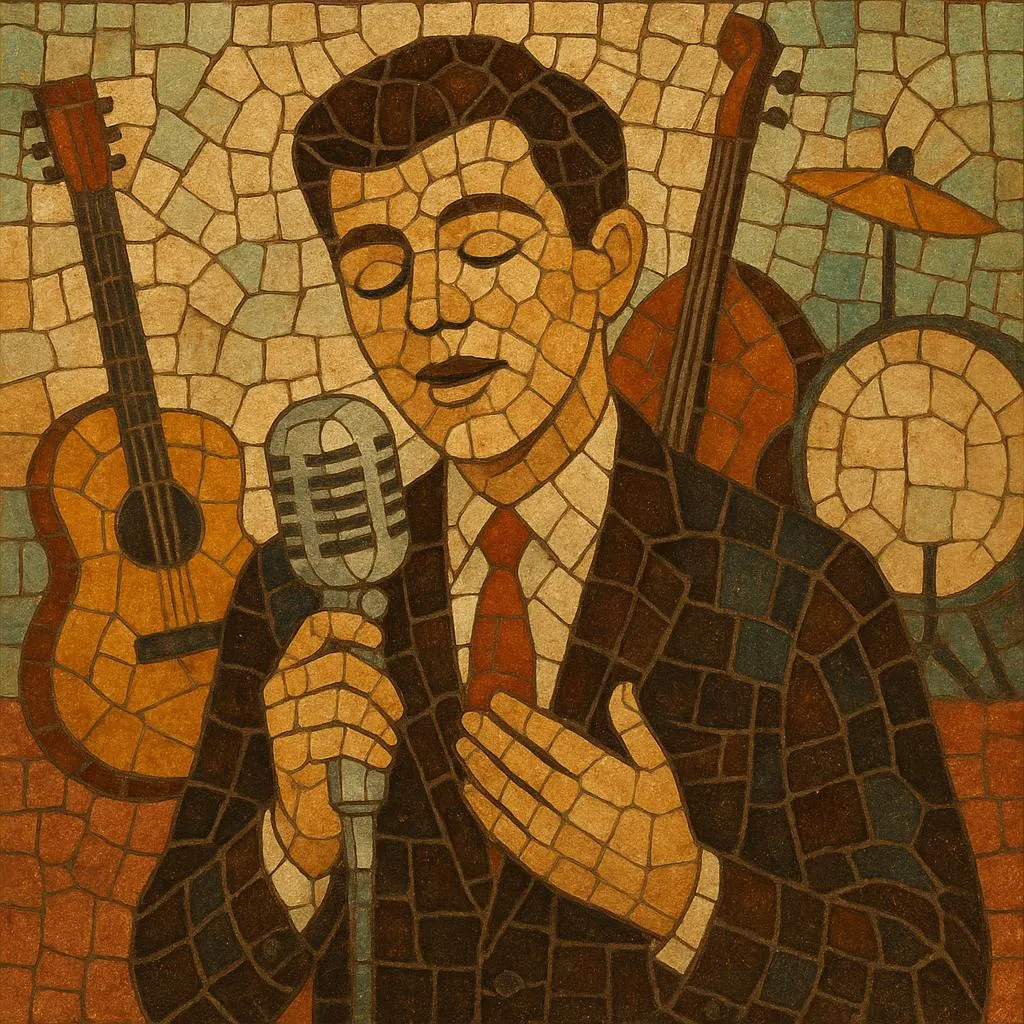
Vintage swoon is a nostalgic micro‑style of late‑1950s to early‑1960s American pop in which smooth, boy‑next‑door vocalists deliver tender, heart‑on‑sleeve songs designed to make listeners “swoon.” It sits between traditional pop crooning and early rock and roll, favoring intimate vocals, simple romantic lyrics, and elegant, lightly rocking arrangements.
Typical recordings feature mono production with tape saturation, slap‑back echo or plate reverb, brushed drums, walking or tic‑tac bass, chiming guitars, piano, and occasional strings or doo‑wop style backing vocals. Harmony leans on classic pop progressions (I–vi–IV–V, I–vi–ii–V) with a gentle triplet or shuffle feel. The overall effect is innocent, warm, and immediately cinematic—music for malt shops, sock hops, and slow dances.
History
Vintage swoon emerges from the overlap of traditional pop crooning and the first wave of rock and roll. Young male vocalists, often groomed by song‑plugging publishers and Brill Building writers, recorded tender ballads and gently rocking mid‑tempos that translated teen feelings into radio‑friendly singles. Production aesthetics favored mono, slap‑back echo (borrowed from rockabilly), and lush but compact arrangements derived from big‑band and traditional pop practice.
Before the British Invasion, U.S. teen‑idol culture exploded across TV and 45 RPM singles. Songwriting teams supplied succinct, romance‑centered material; arrangers blended light rock rhythm sections with strings and vocal ensembles. The music’s calling card was the sincere, close‑miked lead—breathy, boyish, and intimate—supported by restrained rhythm sections and tasteful orchestration.
After 1964, tastes shifted toward beat groups and album‑oriented rock, and “swoon” singles became less dominant. Yet the style’s DNA persisted: the romantic pop ballad tradition fed into soft rock, adult contemporary, and later teen‑pop revivals. Modern curation (reissue labels, collector scenes, and playlist culture) resurfaced obscure singles, cementing “vintage swoon” as a recognizable, retro‑romantic micro‑genre.