Your digging level

For this genre
0/8
🏆
Sign in, then listen to this genre to level up

Description

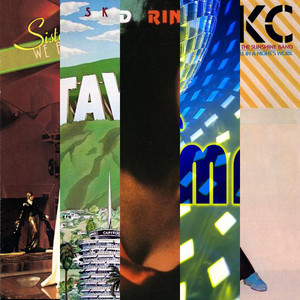
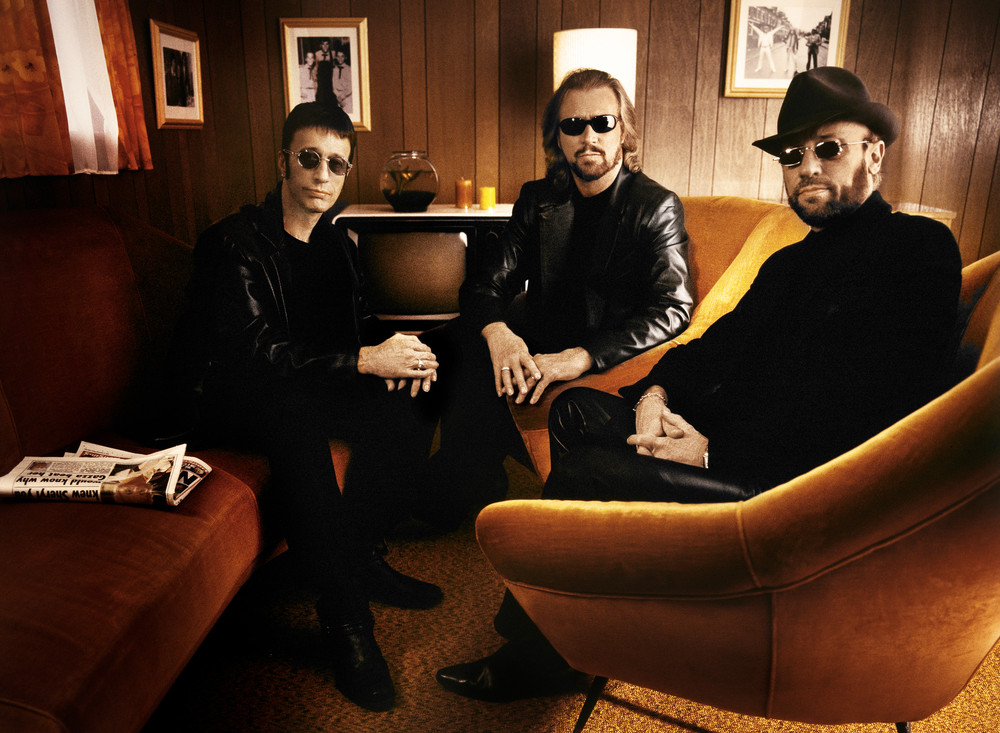
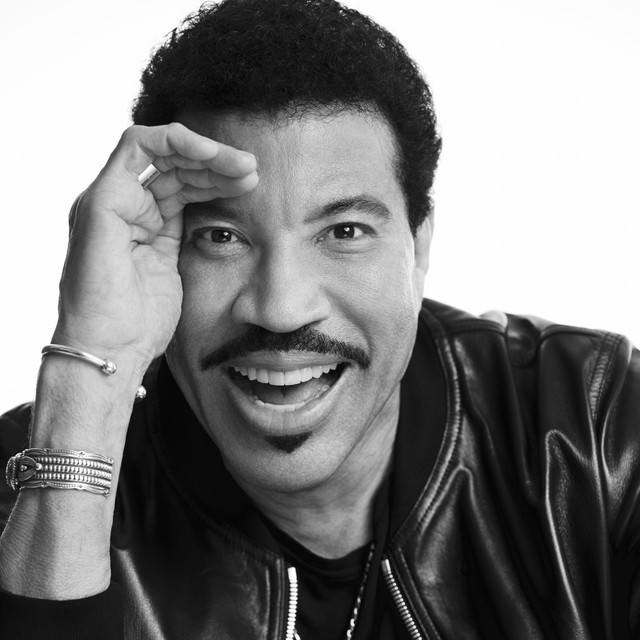
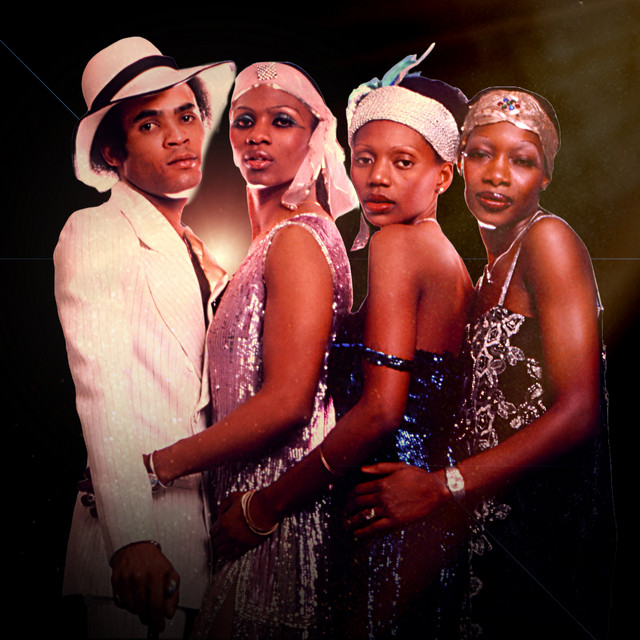
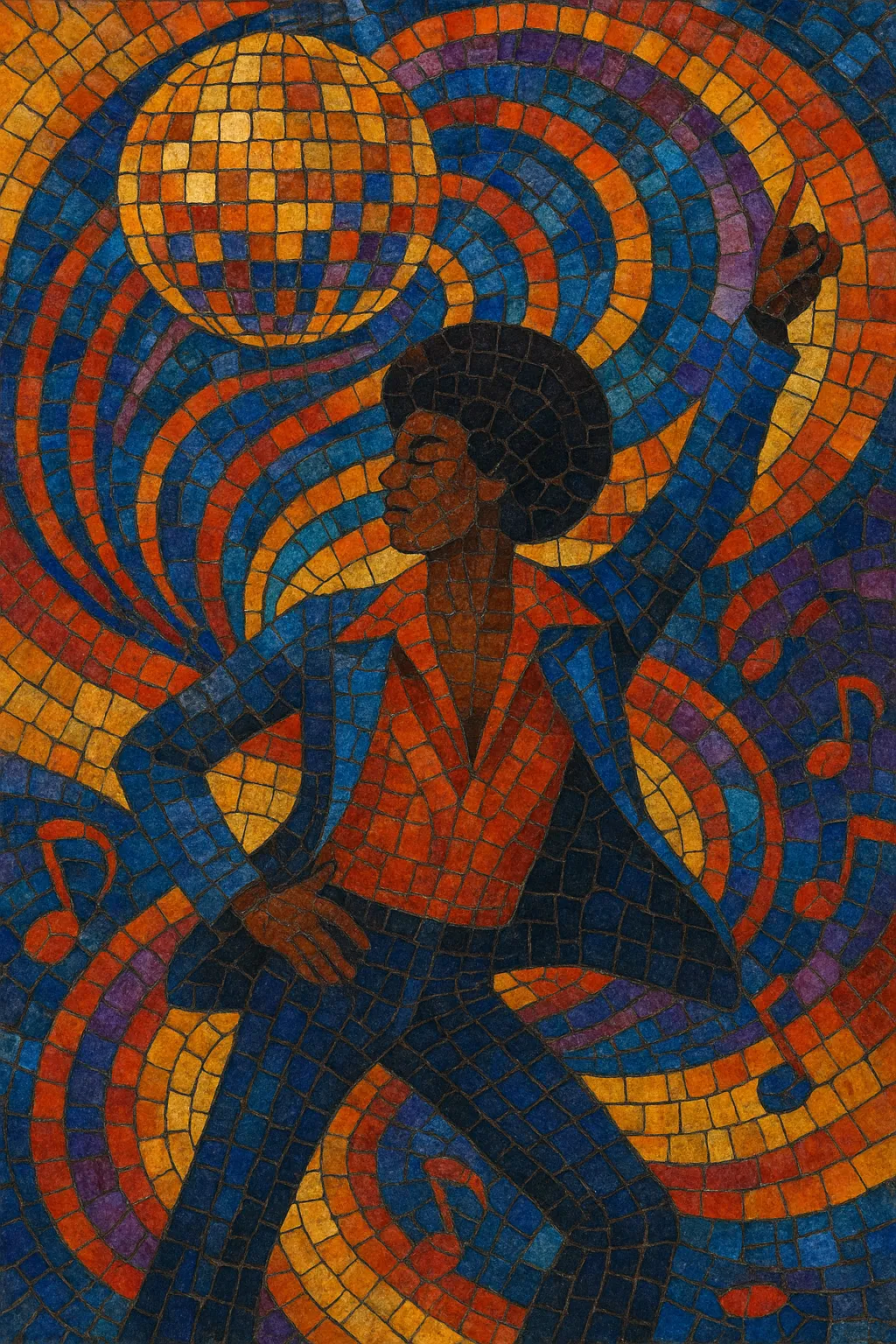
Disco is a dance-music genre and nightlife subculture that crystallized in the United States during the 1970s, drawing especially from African-American, Italian-American, Latino, and queer club communities.

Musically, disco is typified by a steady four-on-the-floor kick drum, syncopated and melodic electric-bass lines, lush string sections, bright brass and horns, electric pianos and synthesizers, and percussive, choppy rhythm guitars. Arrangements often feature orchestral colors, handclaps, congas, and vibraphone or bell textures, all engineered to deliver a continuous, groove-forward experience for the dance floor.

The style combines the rich orchestration and romantic sweep of Philadelphia soul with the bottom-end drive of funk and the songcraft of contemporary R&B/pop, delivered in DJ-friendly extended mixes and 12-inch singles designed for club play.


Sources: Spotify, Wikipedia, Discogs, RYM, MB, user feedback and other online sources

History

Roots (late 1960s–early 1970s)

Disco’s foundations were laid in late-1960s urban clubs and private parties where DJs blended soul, funk, Latin, and R&B records into uninterrupted sets. The Philadelphia production scene refined a signature sound—silky strings, horn charts, and lavish arrangements—while New York’s multiethnic, queer-friendly dance floors incubated the four-on-the-floor groove and culture of all-night dancing.

Breakthrough and Peak (mid–late 1970s)

By the mid-1970s, disco’s core elements—steady kick drum, syncopated bass guitars, rhythm guitars, and orchestral sweetening—coalesced on records specifically arranged for DJs and dancers. The 12-inch single format allowed longer intros, breakdowns, and instrumental passages, optimizing songs for mixing and club energy. Dedicated discotheques, superstar DJs, and club sound systems elevated the genre to mainstream prominence as it dominated radio, charts, and film soundtracks.

Backlash and Transition (1979–early 1980s)

A well-publicized anti-disco backlash in 1979 symbolized cultural tensions around race, sexuality, and changing pop norms. Though radio and major labels pivoted away, disco’s musical DNA persisted. Producers and artists streamlined arrangements, emphasizing drum-machine grooves and synth bass: a path that fed directly into post-disco, boogie, Italo-disco, Hi-NRG, electro-funk, and early house.

Legacy and Revival (1980s–present)

Disco’s pulse became the bedrock of house music in Chicago and New York and informed dance-pop, synth-pop, and freestyle. Hip hop’s earliest DJs extended and looped disco/funk breaks. From 1990s–2000s revivals to contemporary nu-disco and pop-house chart-toppers, disco’s sonic markers—four-on-the-floor kicks, octave-jumping bass lines, glossy strings, and communal, celebratory lyrics—remain central to global dance culture.

How to make a track in this genre

Groove and Tempo
•   Aim for 108–128 BPM with a solid four-on-the-floor kick on every quarter note. •   Add open hi-hats on off-beats and a lively shaker or tambourine for forward motion. Handclaps often reinforce beats 2 and 4.
Bass and Harmony
•   Write a syncopated, melodic bass line that locks to the kick (octave jumps and passing tones are common). •   Use diatonic progressions in major keys; extended chords (maj7, 9ths, 13ths) convey lushness. Pedal tones during breakdowns build tension.
Orchestration and Keys
•   Layer strings (violins/violas/cellos) for sweeping hooks and pads; add brass/horns for stabs and call-and-response with vocals. •   Employ electric piano (e.g., Rhodes) and analog-style synths for chord beds and arpeggios. •   Rhythm guitar should be clean and percussive, playing tight 16th-note chanks and muted strums.
Structure and Arrangement
•   Intro (DJ-friendly), verse/chorus with instrumental interludes, breakdowns, and extended outro. •   Use the 12-inch mix mindset: breakdowns, filter sweeps, and vamp sections keep dancers engaged.
Vocals and Lyrics
•   Vocals are soulful and expressive, often with harmonized backgrounds. •   Themes emphasize romance, liberation, celebration, and communal joy. Simple, catchy refrains work best.
Production Tips
•   Sidechain or mix the kick and bass for punch and clarity; keep low end tight. •   Use reverb/delay tastefully for a spacious, glamorous feel; keep midrange instruments defined. •   Groove is paramount—quantize lightly or add humanized swing to hi-hats and percussion.
Instruments Checklist
•   Drums: live kit or samples (kick, snare, hats), congas/bongos, claps, tambourine. •   Bass: electric bass (fingerstyle or pick) or synth bass. •   Keys: Rhodes/Clav/synths; Guitars: clean rhythm and occasional lead licks. •   Ensemble: strings and horns for signature disco sheen.

Main artists

Top tracks

Locked
Share your favorite track to unlock other users’ top tracks

Upcoming concerts

in this genre
Influenced by
Has influenced

Download our mobile app

Get the Melodigging app and start digging for new genres on the go
© 2026 Melodigging
Melodding was created as a tribute to Every Noise at Once, which inspired us to help curious minds keep digging into music's ever-evolving genres.
Buy me a coffee for Melodigging