Your digging level

For this genre
0/8
🏆
Sign in, then listen to this genre to level up

Description

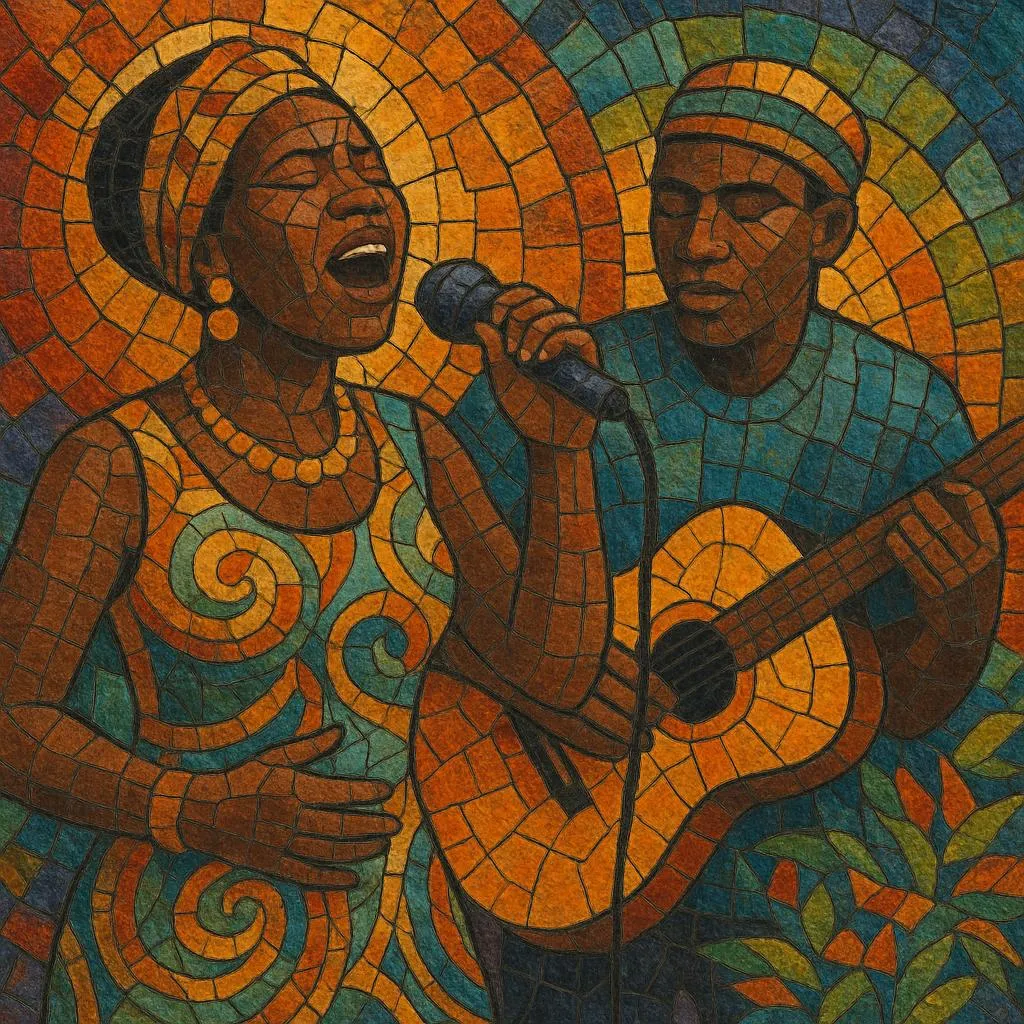
Xitsonga pop is a contemporary popular music of the Tsonga (Xitsonga) people, centered in South Africa’s Limpopo and Mpumalanga provinces and extending into parts of Mozambique and Zimbabwe. It blends local dance rhythms and call‑and‑response vocals with glossy, synth‑driven production.

Emerging from the 1980s “Tsonga disco” wave, Xitsonga pop favors bright keyboard riffs, buoyant electric‑bass lines, and drum‑machine grooves, often supporting romantic or social‑life lyrics sung in Xitsonga. Catchy hooks, communal choruses, and a strong dance orientation make it a staple of weddings, community celebrations, and urban parties.

While rooted in Tsonga traditional melody, the style embraces modern studio techniques and has continually refreshed itself by borrowing from South African bubblegum, kwaito, and house, paving the way for faster, experimental offshoots such as Shangaan electro.


Sources: Spotify, Wikipedia, Discogs, RYM, MB, user feedback and other online sources

History

Origins (1980s)
•   Xitsonga pop grows directly out of the 1980s Tsonga disco movement. Artists such as Paul Ndlovu and (later) Penny Penny helped codify a sound that married local Tsonga dance rhythms and call‑and‑response refrains with disco’s four‑on‑the‑floor and bright, synth‑pop textures. •   The style drew energy from South Africa’s urban bubblegum pop scene and borrowed its polished production values (synths, drum machines, chorus hooks), while retaining Tsonga language and melodic shapes.
Golden Era and Consolidation (1990s)
•   In the 1990s, the genre spread widely across Limpopo and Mpumalanga. Albums by Penny Penny (e.g., Shaka Bundu) became national cult favorites, symbolizing a proud, dance‑first Tsonga identity. •   Bands and producers refined the balance between dancefloor heft and storytelling lyrics, keeping instrumentation simple (keys, bass, guitars, drum machines) and the groove constant.
2000s–2010s: Modernization and Crossovers
•   As kwaito and South African house dominated youth culture, Xitsonga pop producers updated drum programming and bass design, sometimes adopting slower, heavier grooves and house‑style arrangements without abandoning Tsonga vocal idioms. •   Parallel experiments—especially the ultra‑fast, futurist Shangaan electro—amplified rhythmic and timbral ideas already present in Xitsonga pop, bringing international attention to Tsonga dance music aesthetics.
Today
•   Xitsonga pop continues to thrive at community level and on regional radio, while select artists achieve national and global visibility. The genre remains a lively conduit for Tsonga language, dance, and contemporary romance/social themes, and it informs newer South African club sounds through its emphasis on groove, chant‑like hooks, and celebratory performance.

How to make a track in this genre

Core Groove and Tempo
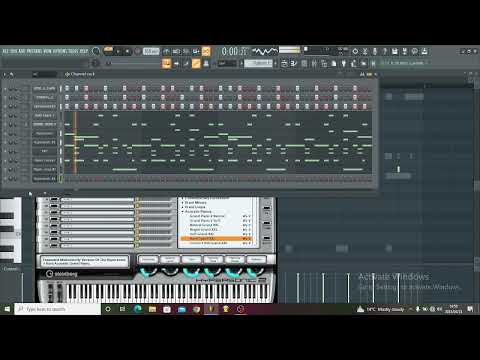
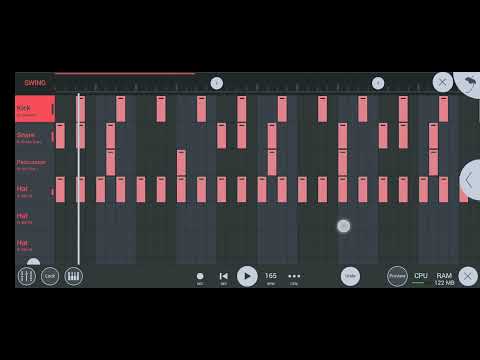
•   Aim for a steady, dance‑forward 4/4 at roughly 108–124 BPM. •   Use drum machines (or modern kits) for a crisp kick on beats 1 and 3 or classic four‑on‑the‑floor; add syncopated hi‑hats, claps, and congas/shakers to evoke township dance energy.
Harmony and Melody
•   Keep harmony direct and song‑centric: I–IV–V and I–V–vi–IV are common; modulations are rare. •   Lead melodies should be catchy and diatonic, often doubled by synths or guitar. Short call‑and‑response phrases invite audience participation.
Instrumentation and Sound Palette
•   Core: synth keys (bright polys, marimba/vibes patches), electric bass (warm, melodic, slightly syncopated), drum machine kit, rhythm guitar (clean, percussive up‑strokes). •   Sweeten with pads, hand percussion, whistles, and occasional brass stabs. Keep mixes glossy and midrange‑present to foreground vocals and hooks.
Vocals and Lyrics
•   Sing in Xitsonga (with occasional code‑switching). Themes often revolve around romance, everyday joys, social advice, and celebration. •   Use layered backing vocals and communal choruses; refrain hooks should be short, memorable, and easily chanted.
Arrangement and Form
•   Intros spotlight a signature riff or drum pattern; verses alternate with big sing‑along choruses. •   Include a dance break or instrumental vamp before the final chorus to energize the floor.
Production Tips
•   Prioritize groove clarity and vocal intelligibility; compress drums lightly and carve space with EQ for bass and kick. •   Chorus stacking, subtle slapback or short plate reverb on vocals, and tasteful delay throws enhance the festive atmosphere.

Top tracks

Locked
Share your favorite track to unlock other users’ top tracks

Upcoming concerts

in this genre
Influenced by
Has influenced

Download our mobile app

Get the Melodigging app and start digging for new genres on the go
© 2026 Melodigging
Melodding was created as a tribute to Every Noise at Once, which inspired us to help curious minds keep digging into music's ever-evolving genres.
Buy me a coffee for Melodigging