

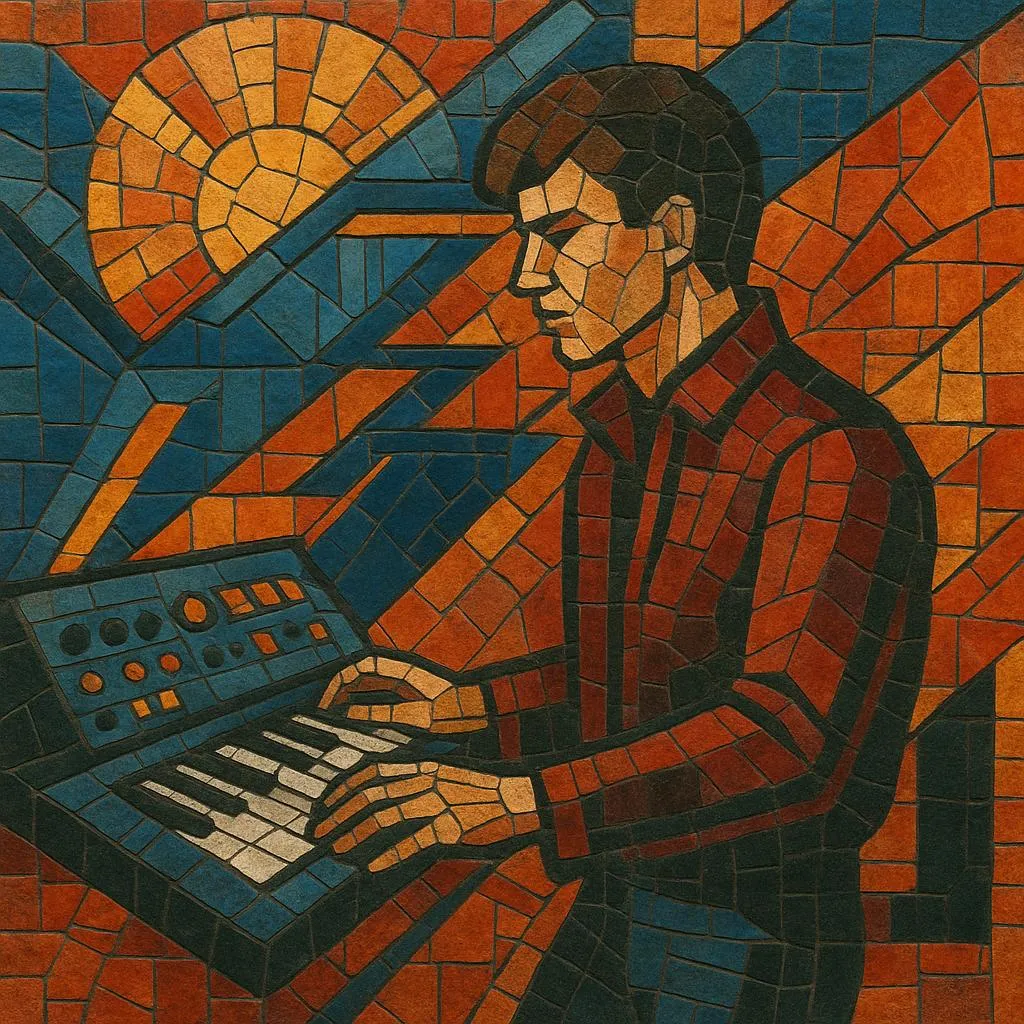
Your digging level
For this genre
0/8
🏆
Sign in, then listen to this genre to level up
Description
Soviet synthpop is the USSR’s domestically brewed take on Western synth‑driven pop that surged during the Perestroika era. It blends catchy, melodically direct songwriting with drum machines, sequenced bass lines, glossy keyboard pads, and a distinctly Eastern‑Bloc studio aesthetic.
Shaped by state media, cassette culture, and limited access to imported gear, the sound often pairs romantic or bittersweet lyrics with bright, danceable arrangements. Producers and bands leaned on both Soviet synthesizers (e.g., Polivoks, Aelita, Elektronika) and whatever foreign instruments they could obtain, creating a timbre that feels at once familiar to global synthpop and unique to late‑Soviet pop culture.

what is “sovietwave”? #music
blustre

Soviet Synth Pop (1988)
Hazel The Hare

Rare Soviet synthpop/darkwave: Прикладное Искусство - s/t full album (1989)
Alexander L.
History
Origins (early–mid 1980s)
• Synthesizers and drum machines entered Soviet studios more widely in the early 1980s, as electronic instruments (both domestic and smuggled/imported) became available to select ensembles and state‑run studios.
• Western new wave, Italo‑disco, and synthpop filtered in via radio, films, tourism, and tape trading, inspiring musicians to adapt these ideas within Soviet cultural frameworks.
Breakthrough and Mass Appeal (late 1980s)
• Perestroika and Glasnost loosened cultural controls, allowing pop groups to present electronic dance‑pop more visibly on TV and in large venues. Labels such as Melodiya and the booming cassette market (“magnitizdat”) spread music rapidly across the USSR.
• Groups popularized a highly melodic, chorus‑forward style, often with romantic themes and glossy synth arrangements. The live show economy favored choreography and playback setups, helping synthpop permeate youth culture.
Technology and Aesthetics
• Musicians combined Soviet instruments (Polivoks, Aelita, Formanta drum machines, Elektronika keyboards) with occasional foreign staples (Yamaha DX7, Korg Poly‑800, Roland Juno series, TR‑707/626, etc.).
• Production favored bright leads, arpeggiated or step‑sequenced bass, gated reverb on snares, and layered backing vocals—close to Western synthpop yet marked by local studio acoustics and tape duplication artifacts.
Transition and Legacy (1990s–present)
• After 1991, tastes shifted toward Eurodance and Russian pop, but the late‑Soviet synthpop songbook remained a cultural touchstone.
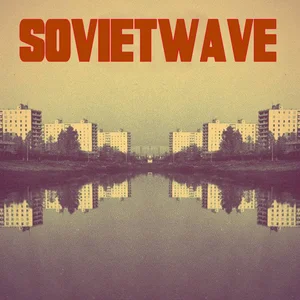
• In the 2000s–2020s, reissues, online archives, and retro‑minded scenes (e.g., “sovietwave”) revived interest. Producers and bands sample classic hits, emulate Soviet synth timbres, and reference the era’s visual design, preserving its romantic, neon‑hued nostalgia.
Core instrumentation
• Use 1–2 polyphonic synths for pads/keys (e.g., Juno‑style, Polivoks/Aelita equivalents) and a digital/FM synth (DX‑type) for bell or plucky leads.
• Drum machines with bright snares and claps; program four‑on‑the‑floor or light disco backbeats at 105–125 BPM.
• Bass: step‑sequenced or arpeggiated synth bass, often octave‑hopping and side‑locked to kick patterns.
Harmony and melody
• Diatonic, hook‑driven progressions (I–V–vi–IV, ii–V–I variants) with pre‑chorus lift.
• Lead melodies are lyrical, singable, and frequently doubled by a synth line an octave above for sheen.
Arrangement and sound design
• Intro with a motif (arpeggio or drum fill), verse–pre–chorus–chorus format, and a middle‑eight featuring a synth solo or key change.
• Layer pads with mild chorus/ensemble effects; add gated reverb on snares and toms; use tape‑like saturation or mild wow/flutter for period authenticity.
Lyrics and delivery
• Themes of youthful romance, longing, city nights, and bittersweet nostalgia.
• Clear, emotive vocals with stacked harmonies in choruses; call‑and‑response ad‑libs enhance live/playback energy.
Production tips
• Emulate Soviet instruments (Polivoks, Formanta) or use modern plug‑ins modeling them; restrict effects to period‑plausible chorus, plate/gated reverbs, and simple delays.
• Print stems through mild cassette/tape emulation to mimic magnitizdat duplication texture.
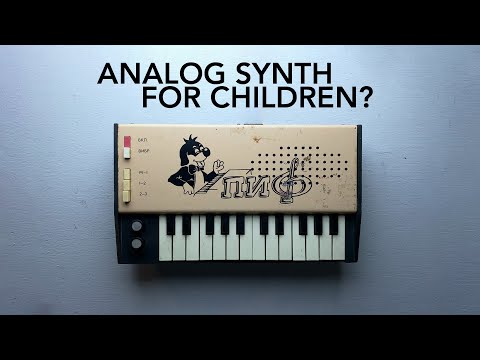
Soviet Pif synth: a cute analog synthesizer for children (+ FREE Sample Library)
David Hilowitz Music

Best playlists

Top tracks
Locked
Share your favorite track to unlock other users’ top tracks
Upcoming concerts
in this genre
