Your digging level
Description
Pon-chak disco (often romanized from the Korean onomatopoeia “ppongjjak”) is a Korean dance-pop/trot crossover style that welds bright, bargain‑basement electronic timbres to a relentlessly simple, repetitive groove.
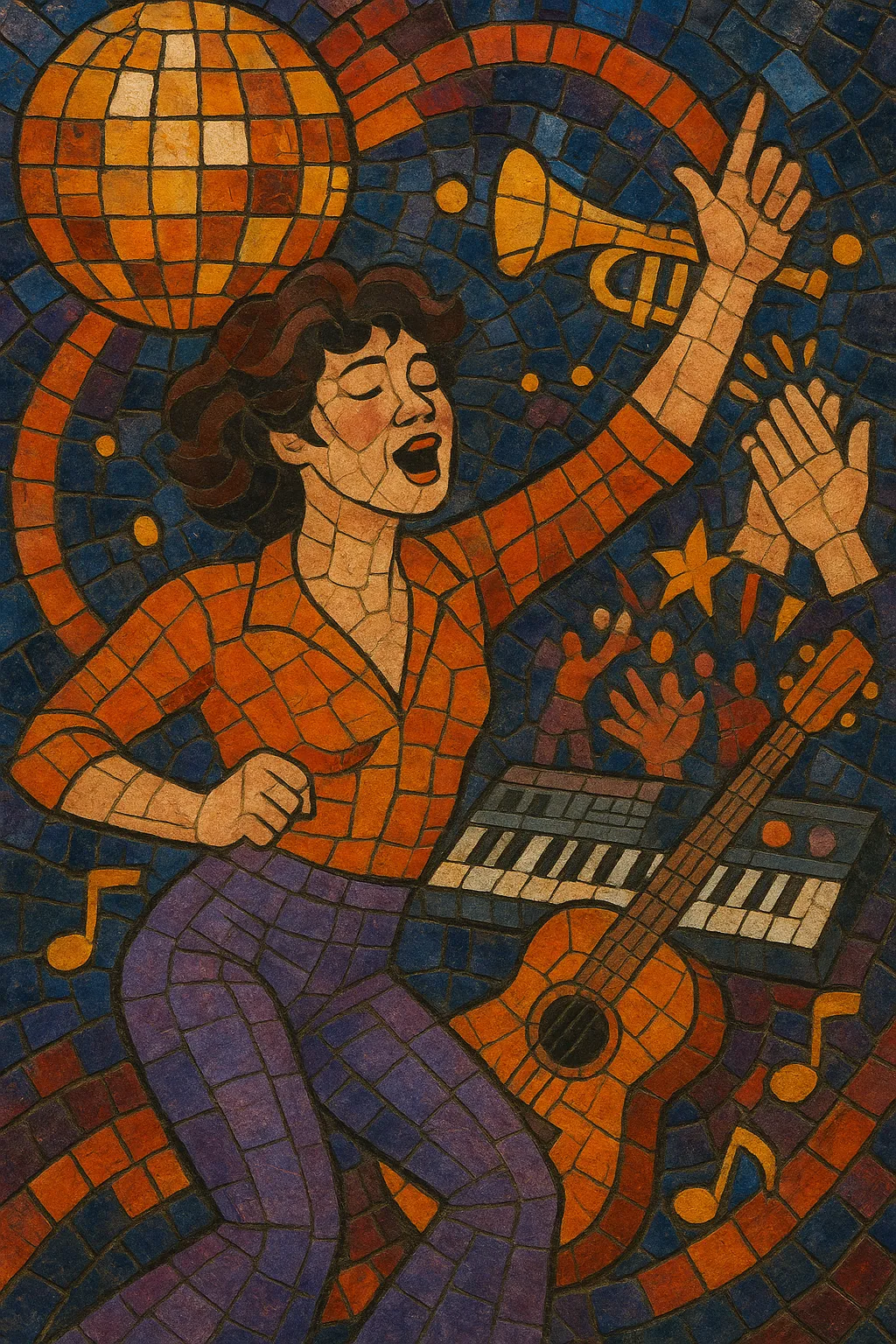
Heavily influenced by electro‑disco, its arrangements lean on arranger‑keyboard or “electronic organ” leads, drum‑machine patterns, and looping bass ostinatos. Vocals typically carry trot’s melodramatic flair—wide vibrato, sentimental themes, and call‑and‑response ad‑libs—while the beat aims squarely at social dancing in night markets, provincial stages, and karaoke halls.
The result is a kitschy, high‑energy, crowd‑pleasing sound: four‑on‑the‑floor kicks, off‑beat claps, synth brass stabs, and sing‑along hooks that feel at once nostalgic and unabashedly fun.
History
As disco and Euro/electro‑disco aesthetics filtered into South Korea in the late 1970s and early 1980s, local musicians began fusing the glossy, motorik pulse of European dance music with the emotive melodies and vocal delivery of Korean trot. Cheap home organs, arranger keyboards, and early drum machines made it easy for bar bands, festival troupes, and studio producers to crank out bright, portable dance tracks—the sound people colloquially called “ppongjjak,” imitating the alternating low “ppong” and high “jjak” beats.
By the 1990s the style had a clear personality: four‑on‑the‑floor kicks, octave‑hopping bass lines, preset synth brass, and trot‑style belting. The music thrived in live dance venues, regional festivals, and on variety TV. Its minimally changing, repetitive grooves made it ideal for audience participation, line‑dancing, and comedic stage banter.
While mainstream K‑pop modernized toward R&B/hip‑hop and EDM, pon‑chak disco lived on through trot stars and “techno‑trot” hybrids, karaoke circuits, and TV talent shows. Producers refreshed the palette with cleaner digital drums and brighter trance‑era pads, but kept the essential ppongjjak cadence and sing‑along choruses.
A broader Korean retro boom and online meme culture brought renewed affection for kitsch and nostalgia. Younger acts occasionally reference ppongjjak grooves or vocal stylings, and trot revivalists fold pon‑chak disco’s electro‑disco DNA back into contemporary arrangements, keeping the style culturally audible and dance‑floor ready.

Top albums
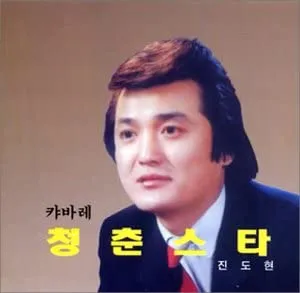
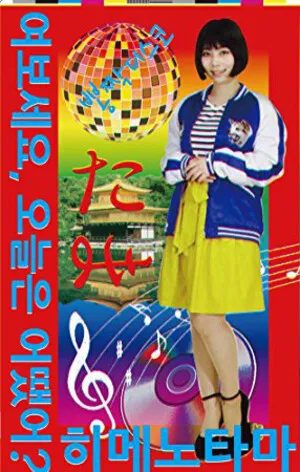
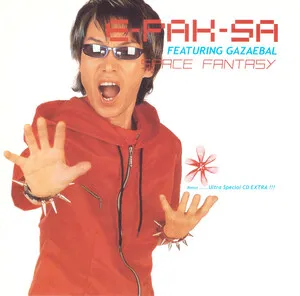
Best playlists