Your digging level

For this genre
0/8
🏆
Sign in, then listen to this genre to level up

Description

Classic house refers to the original, foundational sound of house music as it emerged in mid‑1980s Chicago and New York.

It centers on a steady 4/4 kick at dance‑floor tempos (roughly 118–125 BPM), drum‑machine grooves (especially TR‑909/707/808), syncopated hi‑hats on the off‑beats, warm basslines, piano/organ stabs, soulful vocals, and DJ‑friendly arrangements. The production is minimal yet emotive: loop‑driven, groove‑first, and indebted to disco, boogie, soul, and gospel, with club‑tested intros/outros designed for seamless mixing.

Today “classic house” also functions as a retrospective tag for tracks that embody this early aesthetic, whether made then or recreated later with period‑correct sounds and arranging.
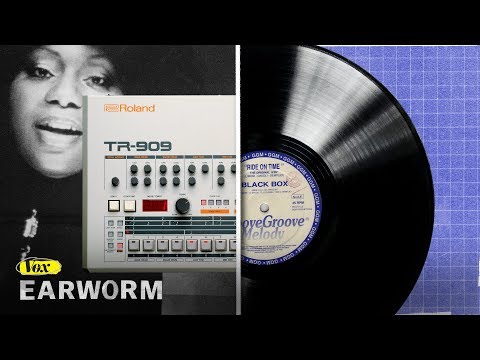

Sources: Spotify, Wikipedia, Discogs, RYM, MB, user feedback and other online sources

History

Origins (mid‑1980s)

House music coalesced in Chicago’s club scene (The Warehouse, The Music Box) when DJs began extending disco’s dancefloor logic with drum machines, samplers, and early MIDI synths. They favored mechanical 4/4 kicks, syncopated hi‑hats, handclaps, piano and organ riffs, and tape edits—merging disco’s feel with boogie’s bass, gospel’s uplift, and Italo‑disco/Hi‑NRG’s machine pulse. Small independent labels and 12" singles culture helped press this sound onto vinyl for DJs.

Spread to New York and the UK (late 1980s)

Parallel developments at New York clubs and radio (with a deeper, garage‑soul inflection) tightened the songcraft and vocal tradition. Imports and DJ networks brought the sound to the UK and Europe, where it cross‑pollinated with local scenes and rave culture. By the end of the decade, “house” was a global club language.

Canon and codification (early 1990s)

The early 1990s solidified the classic palette: 909 kicks, organ and piano stabs, rolling basslines, diva and preacher‑style vocals, and DJ‑friendly arrangements in 16–32‑bar sections. Sub‑labels and white‑label culture flourished, and producers refined song structures without losing the groove‑led loop aesthetic.

Legacy and revivals (2000s–present)

As house splintered into countless substyles (deep, acid, progressive, tech, French, vocal, etc.), the original feel remained a reference point. Reissue programs, retrospective compilations, and new artists working with vintage machines/software emulations keep the classic house sensibility alive—valuing swing, warmth, and soulful uplift over maximalism.

How to make a track in this genre

Core rhythm and tempo
•   Target 118–125 BPM with a steady 4/4 kick. •   Use classic drum‑machine timbres (Roland TR‑909/707/808). Program open hi‑hats on the off‑beats (the "and" of each beat) and crunchy claps on 2 and 4. •   Add subtle swing (a few percent) so the 16ths feel human and bouncy.
Bass and harmony
•   Craft a simple, warm bassline that locks with the kick (often root‑note centric, syncopated around beats 1 and 3). •   Harmonies typically use minor keys and 7th/9th chords. Classic ingredients: M1 organ bass, Korg M1 house piano, Juno‑106 pads.
Stabs, keys, and hooks
•   Short piano/organ stabs accent off‑beats or the “and” of 2/4; layer with subtle reverb. •   Build a call‑and‑response between chord stabs and the bassline; keep motifs concise and loopable.
Vocals and arrangement
•   Soulful or gospel‑influenced vocals (hooks, ad‑libs, preacher‑style spoken lines). Chop and loop for rhythmic emphasis. •   Arrange in DJ‑friendly blocks (intro groove 16–32 bars, main A/B sections, breakdown, build, outro). The intro/outro should be sparse for easy mixing.
Sound design and mix
•   Prioritize punchy mid‑range and a warm low‑end; keep elements few but purposeful. •   Process with gentle saturation/overdrive, plate/room reverbs, short delays; side‑chain pads/keys lightly to the kick. •   Use filters (low‑pass sweeps) in breakdowns and builds instead of dense sound stacks.
Tools and feel
•   Emulate period gear (hardware or plugins): TR‑909/707/808 kits, Korg M1, Roland Juno/JX, simple samplers. •   Groove first: loop the core 8–16 bars until it feels irrefutable, then structure without overfilling. •   Keep it human: small timing nudges, hand‑played chords, and vocal ad‑libs add life.

Top tracks

Locked
Share your favorite track to unlock other users’ top tracks

Upcoming concerts

in this genre
Influenced by
Has influenced

Download our mobile app

Get the Melodigging app and start digging for new genres on the go
© 2026 Melodigging
Melodding was created as a tribute to Every Noise at Once, which inspired us to help curious minds keep digging into music's ever-evolving genres.
Buy me a coffee for Melodigging