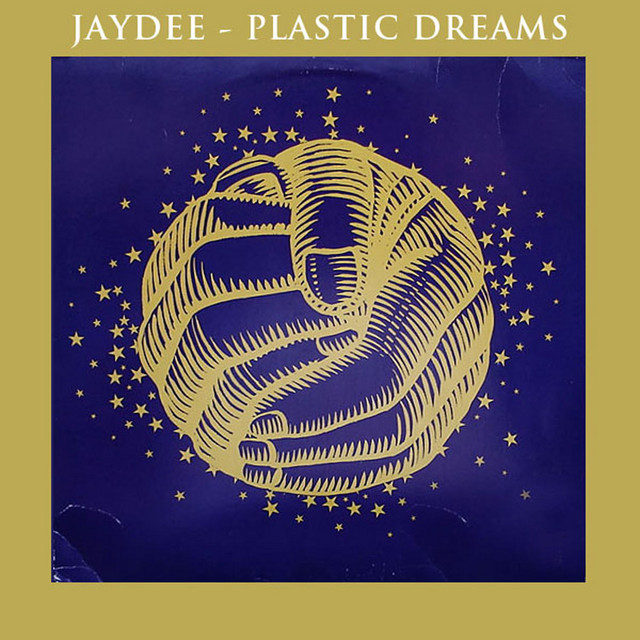
Plastic Dreams
Doorn, Sander van, Pryme, MC, Delano & Crockett, Divided, Carey, Ian, Sharam, Manyou, Romero, Nicky, Holloway, Loleatta, Project Medusa, Beuken, van den, Ron, Starr, Rachael, BeatFreakz, E-Craig, Alegria, Christopher, Dennis, Starkillers, Burns, Bobby, Casablanca Connect, Blank & Jones, 4:AM, Sharp, Sam, Beuken, van den, Ron, Katana, Randy, Outwork, Gee, Mr., Carlos, Fijneman, Cor, Angel, Black Rock, Andrew, Debra, Dr. Kucho!, Salto, Gregor, Heldens, Oliver, Chainside, Various Artists, Gaudino, Alex, Obernik, Sam, Beuken, van den, Ron, Doorn, Sander van, Supermode, Soulcatcher, Terrabyte, Travel, Dr. Kucho!, Salto, Gregor, Robin S, 4 Strings, Cahill, Belle, Nikki, Mason, Princess Superstar, 89ers, Bart B More, Twizt, Oliver, Bodyrox, Alegria, Beuken, van den, Ron, Le Grand, Fedde, E, Erick, Gina J, Milk Inc., Gelderblom, Peter, Various Artists, Various Artists, Carey, Ian, Gelderblom, Peter, Muzikjunki, Jumpers, The, Funkerman, Le Grand, Fedde, 4:AM, Carlos, NUfrequency, Nelson, Shara, Prydz, Eric, René, DJ, Project Medusa, Marks, John, Fragma, Untouchable 3, Hi_Tack, Carey, Ian, Shellers, Michelle, Gielen, Johan, Time Bandits, Supafly, Superstar DJ, Ryan, Kate, Various Artists, Blank & Jones, Elles, 4 Strings, Club Scene Investigators, E, Erick, Van Helsing, Van Giessen, Stellar Project, Brandi Emma, 4 Strings, Peran, Various Artists, ATFC, OnePhatDeeva, Milk Inc., E-Craig, Ratty, Jaymen, Bastian Bates, Alibi, Rockefeller, Smith, Aaron, Luvli, Snare, Tom, Various Artists, Dr. Kucho!, Shog, DJ, Filterfunk, Rivera, Robbie, Various Artists, E, Erick, CRW, Various Artists, Various Artists, Carey, Ian, Mochico, Bunty, Miss, Sozzi, Kim, Burns, Bobby, Afrojack, INNA, Various Artists, Al Bizzare, Maya, Edward, Jigulina, Vika, Bingo Players, Samson, Sidney, Cha Cha, Tony, Ray & Anita, Leeds, Austin, Sono, Robin S, Royal, Benny, INNA, Supafly, Bingo Players, Carey, Ian, Quintino, Crown, Mitch, Fasano, Nicola, Pat‐Rich, Ralvero, Bassjackers, Rehab, Zwan, van der, Addy, Gelderblom, Peter, Romero, Nicky, Carey, Ian, Shellers, Michelle, INNA, H Two O, Platnum, Swanky Tunes, Hard Rock Sofa, Starkillers, Romero, Nicky, Starkillers, Pimp Rockers, Tom Hangs, Machiavelli, Marco, Dada Life, Klosman, Gregori, Wild, Danny, W, Kristine, Twizt, Oliver, Carey, Ian, Shellers, Michelle, Carey, Ian, Carey, Ian, Anthony, Bobby, Snoop Dogg, Partysquad, The, Afrojack, Simmons, Mark, Quintino, Crown, Mitch, Rockefeller, Hawkshaw, Kirsty, Kinky Roland, Soulcatcher, Wilson, Amanda, Doorn, Sander van, Williams, Robbie, Royal, Benny, Laat, Dennis De, Various Artists, Carey, Ian, Shellers, Michelle, Hardwell, I-Fan, Muzikjunki, Ali, Nadia, Starkillers, Kenji, Alex, Heikki L, JS16, Ramos, Abel, Sharam, Bedingfield, Daniel, Various Artists, Day, Inaya, Eako, DJ, Ray & Anita, Fragma, Clokx, Carey, Ian, Clokx, Darell, Dave, Ali, Nadia, Starkillers, Kenji, Alex, Seductive, Romero, Rishi, Romero, Nicky, Al Bizzare, Basic Element, D-Jastic, Jaydee, Starkillers, Dmitry KO, W, Kristine, Balan, Dan, Mare, Manuel, de la, Thomas, Paul, Clokx, Basto, EliZe, Camel Rider, The, Alston, Mark, Shine, Mark, Various Artists, Booty Luv, Bingo Players, Gold, Thomas, Kenji, Alex, Bergling, Tim, Shermanology, Swing Kids, Bellatrax, May, Sophia, R.I.O., Bassjackers, Ralvero, Cidinho & Doca, Moony, Ozcan, Ummet, Booty Luv, NDKj, Carey, Ian, Shellers, Michelle, Romero, Nicky, Samson, Sidney, Lady Bee, Bizzey, Ablaze, Rene, Fallen Skies, Bolier, Leon, Carey, Ian, Project, The, Clokx, Milk Inc., Carey, Ian, Project, The, Gaudino, Alex, Shena, Gervais, Cedric, van Hage, Jacob, Liz, Saint, Ali, Nadia, Starkillers, Kenji, Alex, Jaydee, Dahlbäck, John, Bingo Players, Gates, Roy, Colin, Jay, Bolier, Leon, Kenji, Alex, Firebeatz, Starkillers, Ali, Nadia, Dahlbäck, John, Afrojack, Aoki, Steve, Romero, Nicky, EDX, Cryogenix, Digitalism, Trash, Tommy, Gervais, Cedric, Tricks, Carl, Jordan, Julian, TV Noise, Chocolate Puma, Firebeatz, Gervais, Cedric, Maverick, Kurd, Hard Rock Sofa, Starkillers, Ali, Nadia, Basoski, Olav, DubVision, Gates, Roy, Firebeatz, JoeySuki, Garrix, Martin, Firebeatz, Good, Ralph, Griffith, Polina, Hard Rock Sofa, Swanky Tunes, Amesz, René, James, Sunnery & Marciano, Ryan, Ziggy, Begovic, Baggi, Jordan, Julian, Starkillers, Pimp Rockers, Tom Hangs, Machiavelli, Marco, Azuro, Elly, Junior, Tony, Fuente, La, Savoy, Bright, Heather, Hook n Sling, Evermore, Grey, Richard, Junior, Tony, Hithouse, Zwan, van der, Addy, Beke, Jerry, Firebeatz, Ali, Nadia, Starkillers, Kenji, Alex, Hardwell, Romero, Nicky, Gervais, Cedric, Cash Cash, Alvaro, INNA, Carey, Ian, Rosette, Timbaland, Brasco, Jey, Sharam, Soundz Fresh, Hard Rock Sofa, Squire, Max’C, Basto, Firebeatz, Hardwell, Romero, Nicky, TV Noise, Jey, Sharam, Soundz Fresh, Starkillers, Ali, Nadia, DubVision, Studio Killers, Project 46, DubVision, Lewis, Donna, Jaydee, Carey, Ian, Rosette, Timbaland, Brasco, Doray, Norman, NERVO, Cookie, Romero, Nicky, Starkillers, Ali, Nadia, Alvaro, Partysquad, The, Jones, David, Sunclub, The, NERVO, Hook n Sling, Hard Rock Sofa, Squire, Max’C, Afrojack, Aoki, Steve, Palmer, Miss, Samson, Sidney, Cha Cha, Tony, Starkillers, Afrojack, Vegas, Dimitri & Like Mike, NERVO, Drums, Sebastien, Rob Adans, Studio Killers, Chocolate Puma, Firebeatz, Hard Rock Sofa, Squire, Max’C, Basto, Milk & Sugar, Makeba, Miriam, Basto, La Funk, Patric, Inpetto, Starkillers, Ali, Nadia, Basto, Starkillers, Blend, DJ, AFROJACK, Gelderblom, Peter, Dominica, Ali, Nadia, Starkillers, Kenji, Alex, Alvaro, Romero, Nicky, Various Artists, Talk, James & Ridney, Romero, Nicky, Crown, Mitch, Mobin Master, Carey, Ian, EC Twins, The, Peniston, CeCe