Your digging level
Description
Hip house is a hybrid dance style that fuses the four-on-the-floor pulse and synthesizer-driven textures of house music with the rhythmic vocal delivery and party-centric lyricism of hip hop.
Emerging in the late 1980s, especially in Chicago and quickly spreading to New York and the UK, hip house pairs drum machine grooves, piano/organ stabs, and catchy house hooks with MC-led verses and crowd-rousing chants. The result is music that is relentlessly club-focused, upbeat, and designed for rap-led call-and-response over pumping house beats.
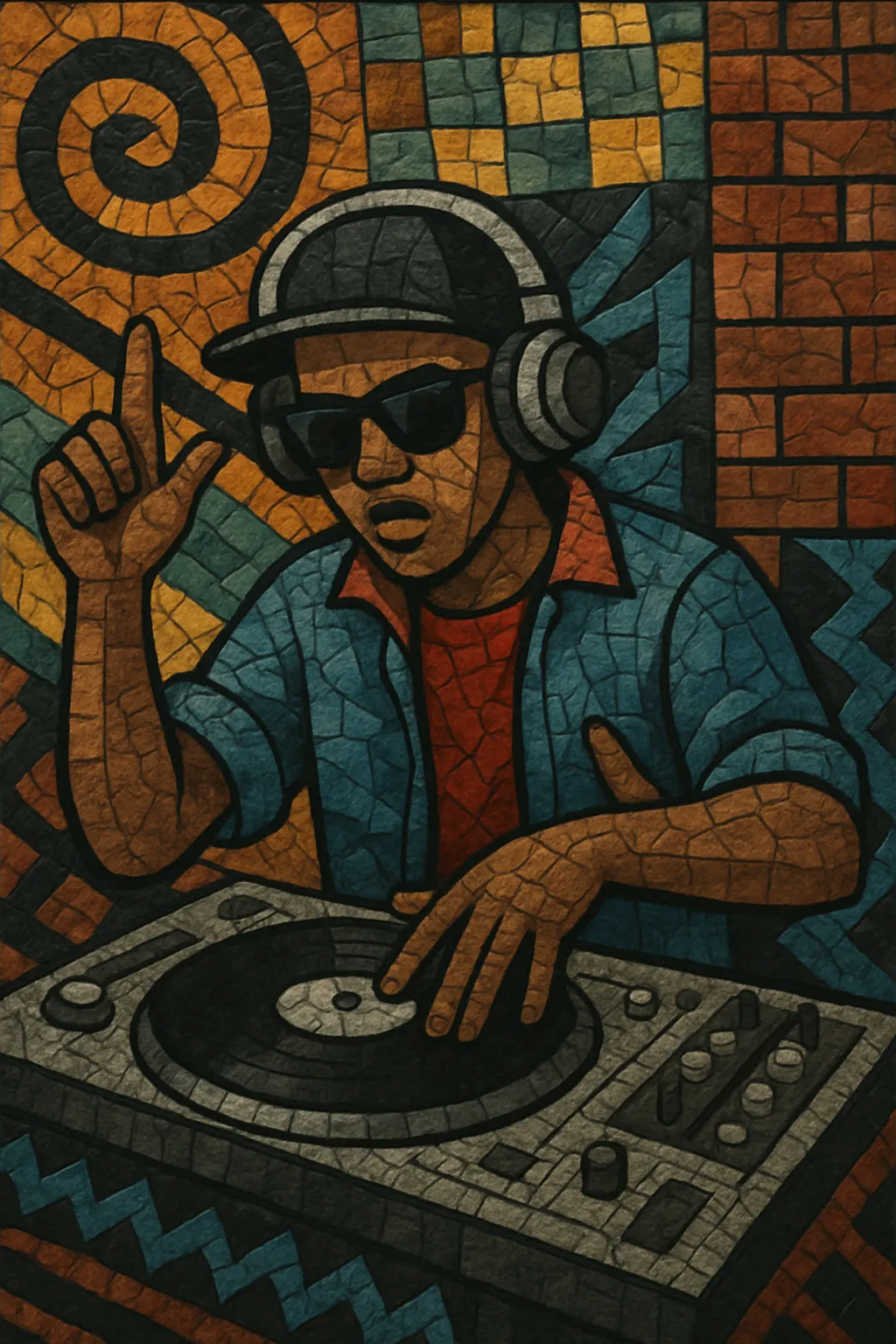
While often minimal in harmony, hip house is maximal in energy—characterized by brisk tempos, prominent kicks on every beat, and charismatic, sometimes humorous lyrics that celebrate the dancefloor and DJ culture.


History
Hip house crystallized in the late 1980s, largely in Chicago, where house music’s club infrastructure intersected with hip hop’s MC culture. DJs and producers on labels like DJ International began placing rap verses over house instrumentals, leveraging drum machines (TR-909/TR-808), piano stabs, and occasionally acid basslines. Early landmarks include Fast Eddie’s “Hip House” and Tyree’s “Turn Up the Bass,” which established the template of MC-led verses over a 4/4 house chassis.
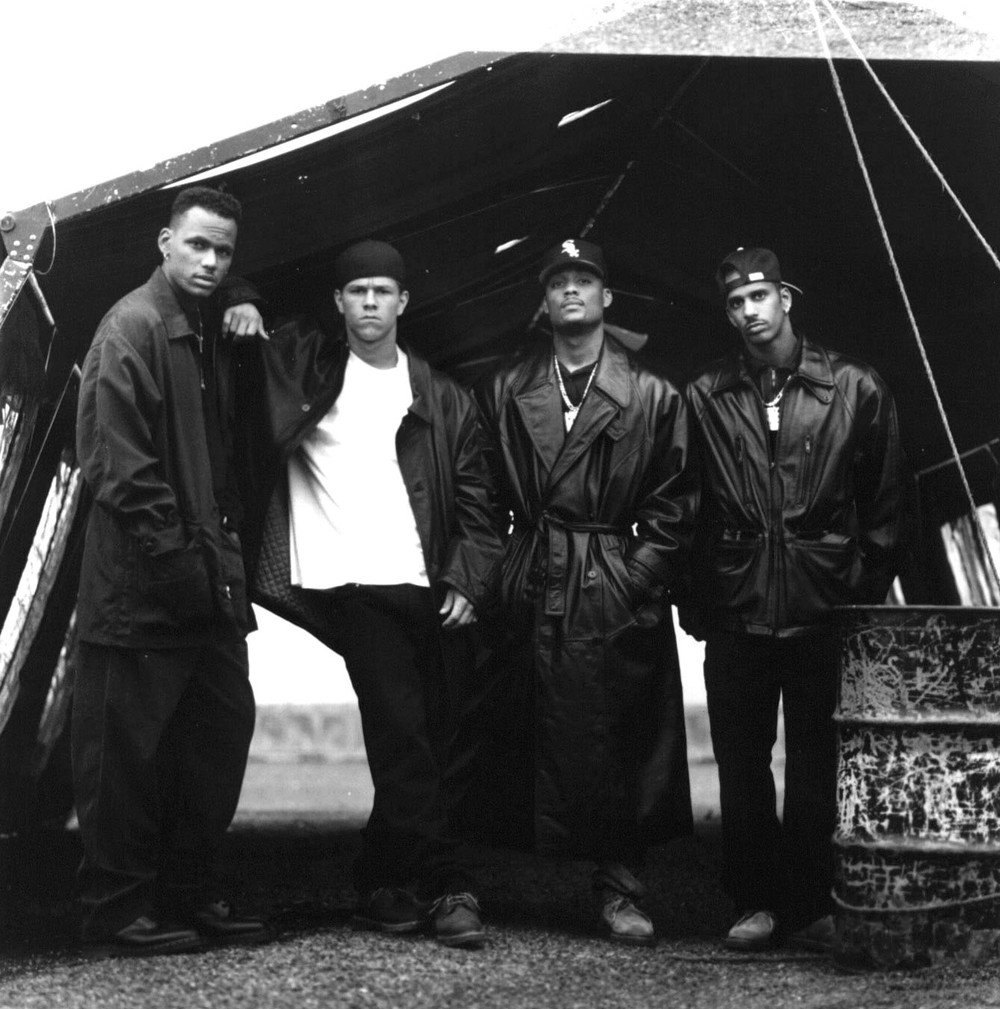
New York crews such as Jungle Brothers propelled the sound with “I’ll House You” (1988), produced with an acid-house sensibility and proving the crossover potential for hip hop audiences. In the UK, The Beatmasters & Cookie Crew, Rebel MC & Double Trouble, and other acts folded hip house into the exploding rave and pop scenes, landing chart success and bringing rap-on-house to mainstream radio.
By the turn of the 1990s, hip house was a club staple and a pop force across the US and Europe. Belgian projects like Technotronic (fronted by Ya Kid K) helped codify a more polished, hook-forward version of the style that pointed toward Eurodance. The sound’s formula—MC verses, sung/chant choruses, and piano-driven house—proved highly portable to commercial dance markets.
Although hip house’s initial wave subsided by the mid-1990s, its DNA persisted. It normalized rapped vocals on 4/4 dance tracks and directly informed Eurodance, dance-pop, and pop rap. Its MC-and-DJ performance dynamic also fed into UK rave and breakbeat hardcore cultures. Today, hip house remains a reference point for club crossovers that blend rap swagger with house euphoria.