Your digging level for this genre

0/8
🏆
Sign in, then listen to this genre to level up

Description

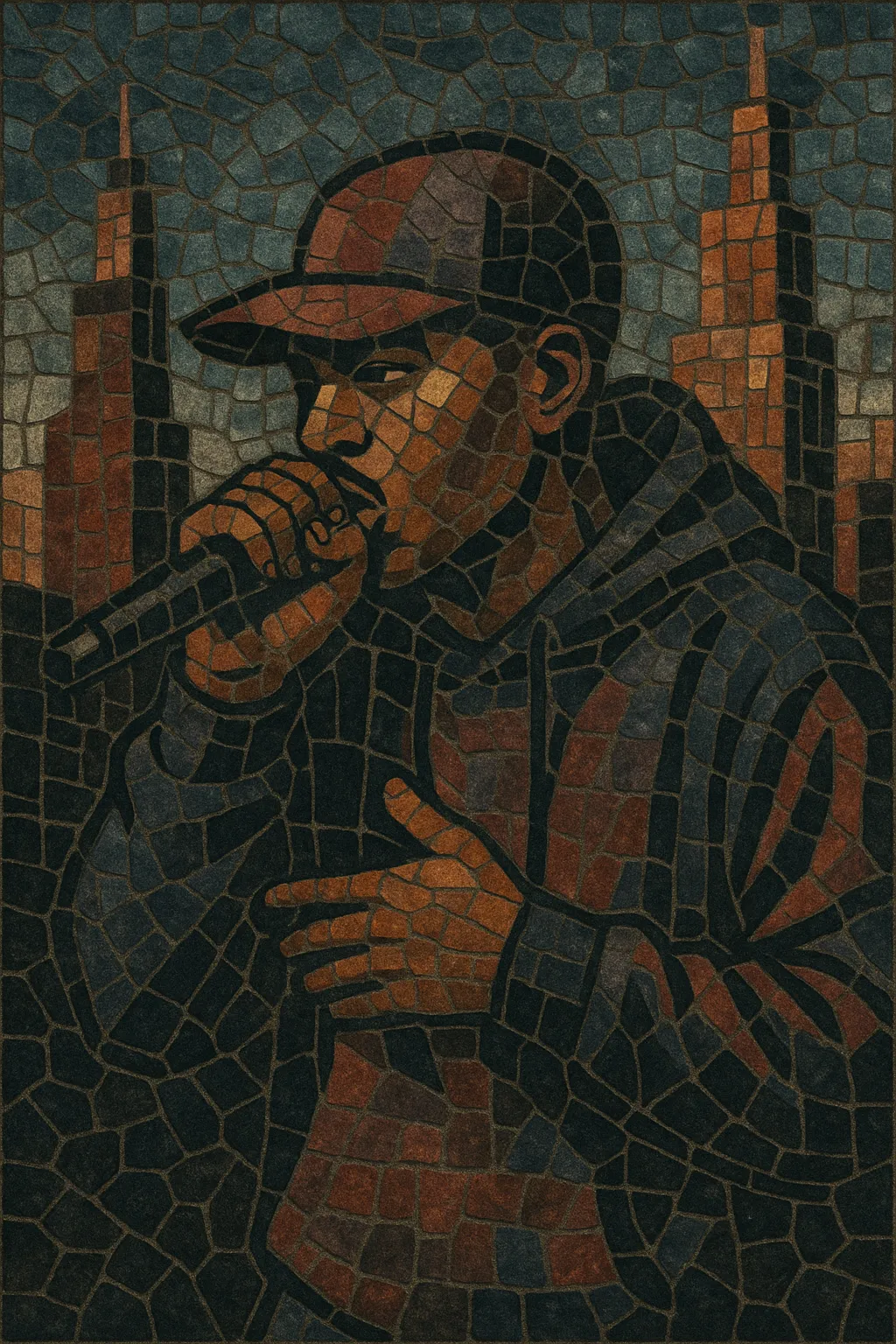
Chicago rap is the hip-hop tradition that emerged from the city’s South and West Sides, known for its stylistic breadth—from soulful, sample-heavy production and conscious lyricism to breathless double-time "chopper" flows and the stark realism of drill.

In its early years, the scene blended boom-bap technique with local soul and gospel sensibilities, while also intersecting with Chicago’s house and hip-house movements. In the 2000s, producers and rappers pushed a polished, sample-centric sound into the mainstream, and in the 2010s the city became the birthplace of drill, a darker, street-centered variant that reshaped global rap. Today, Chicago rap encompasses classic lyrical craftsmanship, experimental and alternative currents, and hard-edged street narratives.

History

Origins (1980s–early 1990s)

Chicago’s hip-hop culture took root in the 1980s alongside the city’s dominant club sound of Chicago house. Early MCs and DJs absorbed boom-bap practices from the East Coast and the street perspective of gangsta rap, while local scenes experimented at the intersection of rap, house, and hip-house. By the early 1990s, artists like Common (then Common Sense) and Twista began giving the city a national profile—Common through thoughtful, jazz- and soul-inflected tracks, and Twista through blistering chopper flows.

Expansion and Identity (mid–late 1990s)

Groups such as Do or Die and Crucial Conflict brought a distinct Midwestern swing and melodic sensibility. Lyrical focus ranged from neighborhood storytelling to fast-paced, harmony-laced hooks. The city’s tradition of crate-digging and soul sampling deepened, tying rap to Chicago’s rich R&B, gospel, and blues lineage.

Mainstream Breakthrough and the Soul-Sample Era (2000s)

Kanye West and later Lupe Fiasco transformed Chicago rap’s perception globally. Kanye’s chipmunk-soul production and confessional lyricism reframed mainstream hip-hop, while Lupe’s narrative complexity expanded the city’s reputation for artistry and conceptual depth. This period established Chicago as a home for both commercial innovation and conscious rap.

Drill and Global Shockwave (2010s)

A new wave—led by Chief Keef, Lil Durk, King Louie, and G Herbo—gave rise to Chicago drill: minimalist, minor-key beats, sliding 808s, and unflinching street realism. Viral distribution and social media amplified the sound, influencing UK drill and, in turn, New York and global scenes. Simultaneously, Chance the Rapper, Saba, Mick Jenkins, and Noname nurtured an alternative, jazz-tinged, community-rooted strain, showing the city’s stylistic pluralism.

Diversification and Legacy (late 2010s–2020s)

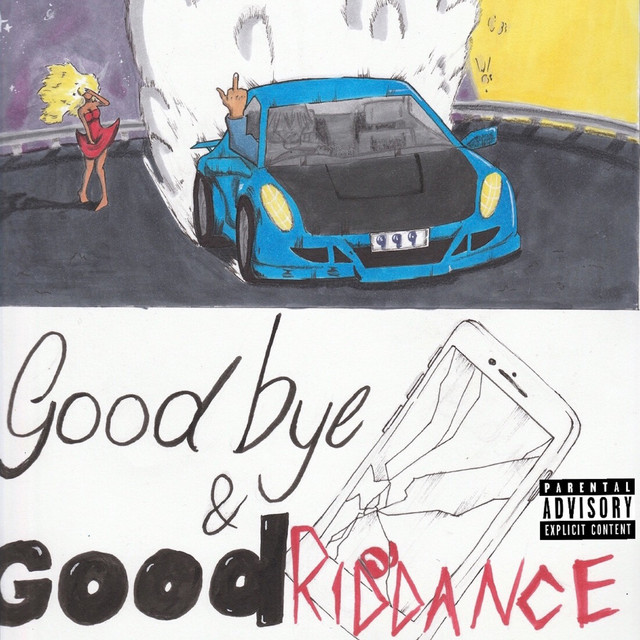
Artists like Polo G, Juice WRLD (RIP), and Valee further diversified the palette—melding melodic rap, emotive hooks, and idiosyncratic flows. Chicago rap now stands as a multifaceted ecosystem: soulful traditionalists, experimental underground, chart-topping melodists, and drill pioneers—all connected to the city’s storied musical DNA.

How to make a track in this genre

Core Aesthetics
•   Embrace the city’s dual identity: soulful, sample-based storytelling and, at the other pole, stark, drum-forward street realism (drill). Let the lyric point-of-view lead your sonic choices.
Production and Instrumentation
•   Soul-sample approach: Chop and pitch-up gospel/soul/R&B samples; layer warm electric piano or Rhodes, subtle guitar licks, and vinyl-textured drums. Target 85–95 BPM for classic head-nod, or 95–105 BPM for a slightly brisker swing. •   Chopper-friendly beats: Keep drums steady and uncluttered so rapid cadences sit clearly. Avoid over-quantizing; let micro-swing support breathless flows. •   Drill palette: Minor-key or modal melodies (often piano, pads, or bells), sparse counterlines, triplet hi-hats, crisp claps, and long 808 slides. Typical tempos hover around 130–150 BPM (often felt halftime). Use negative space; let the low end drive.
Flow and Delivery
•   For classic Chicago lyricism (Common, Lupe): Prioritize narrative clarity, internal rhyme, and social observation; vary density to spotlight punchlines. •   For chopper technique (Twista lineage): Practice double-time subdivisions and clean articulation; write syllable-dense patterns that lock to kick/snare accents. •   For drill: Use direct, unvarnished imagery and momentum-building ad-libs; contrast low-register calm with emphatic bar-end stabs.
Harmony and Melody
•   Lean on minor keys for drill and darker themes; experiment with parallel minor/relative major for tension and release. •   For soulful beats, reharmonize samples with added 7ths/9ths/11ths; use call-and-response between the sample hook and your topline.
Lyrics and Themes
•   Reflect neighborhood realities, personal growth, and community pride. Chicago-specific slang and place references ground authenticity. •   Balance introspection with bravado; even hard-edged narratives can carry reflective or moral undertones.
Arrangement and Mix
•   Keep arrangements economical. Chicago styles favor focus: hook clarity, drum/bass presence, and vocal intelligibility. •   In drill, carve space for 808 glides; sidechain against kicks, tame sub resonances, and keep highs tight for hat patterns.

Top tracks

Locked
Share your favorite track to unlock other users’ top tracks
Influenced by
Has influenced
Challenges
Digger Battle
Let's see who can find the best track in this genre
© 2025 Melodigging
Melodding was created as a tribute to Every Noise at Once, which inspired us to help curious minds keep digging into music's ever-evolving genres.
Buy me a coffee for Melodigging