Your digging level
Description
Brooklyn drill is a regional subgenre of drill and trap-centered hip‑hop that took shape in Brooklyn, New York, in the mid‑2010s. It pairs gritty, street‑level lyricism with the sliding 808 bass lines, gliding notes, and skeletal, syncopated drum programming popularized by UK drill.
The scene initially drew from Chicago drill’s menacing tone but rapidly aligned with UK drill sonics thanks to UK producers collaborating with New York rappers. The result is a colder, more percussive sound marked by minor‑key motifs, clipped ad‑libs, and chant‑ready hooks tailored for block anthems and dance trends like the Woo Walk.
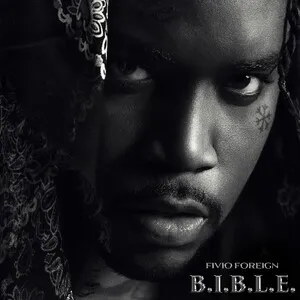
Bobby Shmurda’s “Hot Nigga” (2014) is often cited as an early spark, while the late 2010s wave led by Pop Smoke, Fivio Foreign, Sheff G, Sleepy Hallow, and 22Gz pushed the style into mainstream visibility.


History
Brooklyn drill emerged in the 2010s as local MCs absorbed the aggression and storytelling of Chicago drill while rapping over increasingly minimal, bass‑driven beats. Bobby Shmurda’s 2014 breakout “Hot Nigga” signaled a distinct Brooklyn perspective, followed by contributions from Rowdy Rebel, Envy Caine, Curly Savv, Bam Bino, Money Millz, and Dah Dah.
As the decade progressed, Brooklyn artists embraced the sharper drum palettes and sliding 808 techniques of UK drill. Cross‑Atlantic collaborations—with producers such as 808Melo and AXL Beats—cemented the sound: detuned minor chords, sparse piano or string stabs, and heavy sub‑bass movement under 140–145 BPM patterns.
Pop Smoke’s commanding baritone and anthems like “Welcome to the Party” and “Dior” catapulted the style globally, while peers such as Fivio Foreign, Sheff G, Sleepy Hallow, and 22Gz defined parallel lanes within the scene. The wave helped kickstart a broader New York drill identity and inspired adjacent regional scenes.
Lyrical realism, neighborhood rivalries, and law‑enforcement scrutiny have placed the genre under debate, yet its sonic stamp—gliding 808s, stuttering hats, and chant hooks—reshaped East Coast rap aesthetics. Dance culture, fashion, and local slang further embedded Brooklyn drill into New York’s cultural fabric.
By the mid‑2020s, Brooklyn drill’s sound palette widened (more melodic hooks, R&B fragments, and sample‑based drill) while retaining its rhythmic DNA. Its influence can be heard across New York and neighboring states, and in the continued dialogue between U.S. and UK producers.
How to make a track in this genre