Your digging level

For this genre
0/8
🏆
Sign in, then listen to this genre to level up

Description

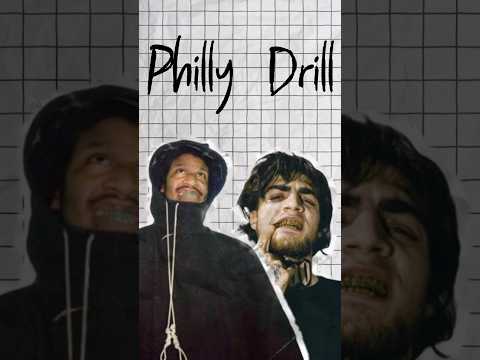
Philly drill is a Philadelphia-born variant of drill rap known for its bleak, cinematic production and vividly graphic street narratives.

The sound is often described as apocalyptic: haunting choir pads, minor-key strings, ominous synth keys, and stark, spacious drum programming that leaves room for aggressive vocal delivery.

Compared to earlier Chicago or UK drill, Philly drill frequently leans into slower tempos, sparser rhythms, and a cold, reverberant mix that emphasizes dread and tension.


Sources: Spotify, Wikipedia, Discogs, Rate Your Music, MusicBrainz, and other online sources

History

Origins (late 2010s–early 2020s)

Philadelphia already had a long local rap lineage, but “Philly drill” crystallized as a recognizable micro-style in the early 2020s as local artists adopted drill’s confrontational storytelling while pushing production toward more atmospheric, horror-leaning textures.

Sound formation

Producers and artists favored minor-key chord stacks and choir/strings/keys combinations, paired with slow, sparse drum patterns. The result was a more “cinematic dread” approach than many faster, busier drill variants.

Local identity and online circulation

Philly drill spread through neighborhood scenes and social platforms, where short, high-intensity tracks and videos amplified the genre’s reputation for brutally direct, often retaliatory lyric themes.

Ongoing evolution

As the style matured, some releases incorporated more melodic hooks and varied arrangement, but the core identity remains the ominous orchestration and stark rhythmic space supporting grim narratives.

How to make a track in this genre

Tempo, rhythm, and drums
•   Work most often in a slow-to-mid tempo range (commonly around 120–145 BPM) but with a half-time feel. •   Program sparse kick patterns that emphasize space and impact rather than constant motion. •   Use sliding 808 bass notes and occasional short rolls; keep the low-end clean so the bass “speaks” between hits. •   Add tight snare/clap on the backbeat; sprinkle minimal hi-hat ticks/rolls for tension, not busyness.
Harmony and melodic palette
•   Stay in minor keys and use simple, ominous progressions (often 1–2 chords) to maintain dread. •   Build “apocalyptic” texture layers: choir pads, string stabs, and dark piano/keys. •   Favor dissonant intervals (minor seconds, tritones) and low-register voicings to make the track feel haunted.
Sound design and mix approach
•   Use reverb to create a cavernous, cold space, but keep drums relatively dry and forward. •   Add subtle distortion/saturation to 808s and sometimes vocals for grit. •   Keep arrangement minimal: intro (atmosphere), drop (drums + main motif), short breakdowns, then return—avoid over-layering.
Vocals, flow, and lyrics
•   Deliver with forceful projection, clipped phrasing, and rhythmic pocketing that locks to the sparse drums. •   Lyrics typically focus on street conflict, consequences, and threats; write in vivid, concrete detail. •   Use callouts, ad-libs, and emphatic punchlines; keep hooks short or chant-like to preserve intensity.
Performance considerations
•   Prioritize breath control and aggression without losing clarity. •   Record doubles selectively on key lines; use minimal harmony—let the instrumental’s choirs/strings provide the “choral” weight.

Main artists

Top tracks

Locked
Share your favorite track to unlock other users’ top tracks
Influenced by
Challenges
Digger Battle
Let's see who can find the best track in this genre
© 2026 Melodigging
Melodding was created as a tribute to Every Noise at Once, which inspired us to help curious minds keep digging into music's ever-evolving genres.
Buy me a coffee for Melodigging