Your digging level
Description
Jersey club rap fuses the kick-heavy, chopped-and-stuttered bounce of Jersey club with contemporary rap flows.
It keeps the genre’s signature pounding triplet kicks, bed‑squeak/percussion stabs, and call‑and‑response energy, but streamlines the beats to leave space for verses and hooks. Compared with earlier Jersey club, it uses fewer obvious sample flips and leans toward cleaner, more atmospheric sound design so that rapping sits front and center.


History
Jersey club itself grew in Newark and surrounding New Jersey cities in the mid‑2000s, evolving out of Baltimore club and house. Producers like DJ Tameil, DJ Jayhood, and DJ Sliink established the fast, bouncy, kick‑driven blueprint and a dance‑first culture that would later make rapped formats feel natural.
As the Jersey sound spread online, younger artists began writing verses over club patterns rather than using them solely for dance edits. The beats became slightly less sample‑centric and more spacious, with synth pads, airy textures, and breakdowns that accommodate 16‑bar rap sections.
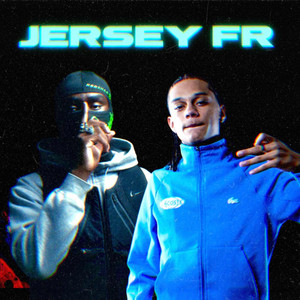
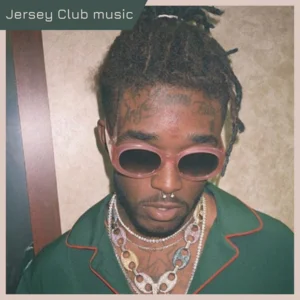
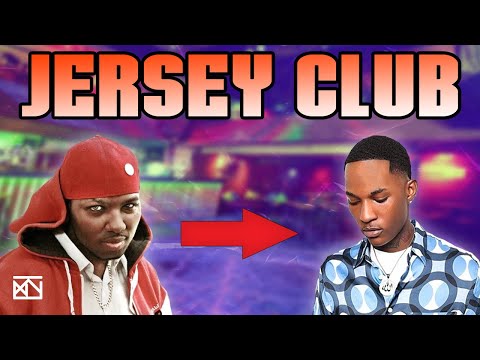
A wave of New Jersey acts—most visibly Bandmanrill—codified the approach with concise, high‑energy tracks designed for both dance floors and social media loops. Producer MCVERTT’s work (including Lil Uzi Vert’s viral "Just Wanna Rock") further pushed the style into mainstream rap and pop conversations, while club veterans like UNIIQU3 and DJ Sliink bridged scenes through collaborations.
By the mid‑2020s, Jersey club rap had become a go‑to rhythmic palette for viral rap hooks and even pop and K‑pop singles, with its tempo, bounce, and chant‑friendly structure adapted across regions.
• Aim for 135–140 BPM to capture the classic Jersey bounce.
• Program a hard, rolling kick pattern (often triplet-accents) with tight claps on 2 and 4 and frequent stop‑start mutes to create "call‑and‑response" momentum.
• Use signature timbres sparingly: short tom fills, bed‑squeak stabs, and laser/siren risers to cue dancers without overcrowding the vocal.
• Keep bass subby and simple—808 or short sine subs that punch with the kick, sidechained for headroom.
• Harmony is minimal: two–four chord pads or detuned plucks to create atmosphere while leaving space for the rapper.
• Favor short, commanding bars, chantable hooks, and ad‑libs that cue dance moves (e.g., hips/steps/bounce) and amplify crowd energy.
• Write with internal rhymes and percussive consonants that lock to the kick stops and drum mutes.
• Fast intros (4–8 bars), immediate drop, and frequent micro‑breaks for dancer callouts.
• Use chops and reverses to reset momentum; alternate A/B drum patterns to keep motion without clutter.
• Mix bright and punchy: transient‑shaped kicks, clipped but controlled snare/clap peaks, and a dry upfront vocal with tasteful delays for fills.