Your digging level
Description
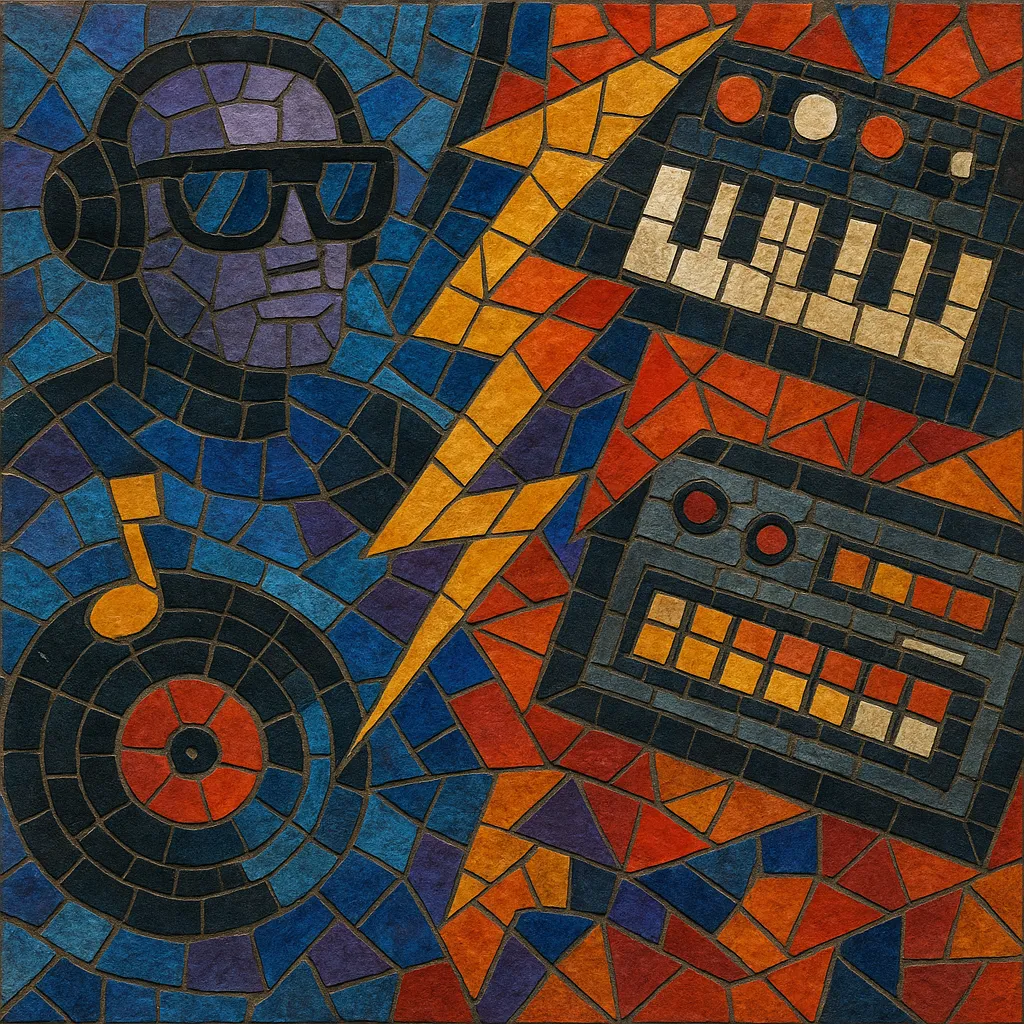
Electro-funk is a dance-music style that fuses the syncopated grooves and bass-forward feel of funk with the drum machines, sequencers, and analog synthesizers of early electronic music.
It is defined by TR-808 drum programming, robotic textures, vocoder or talkbox vocals, angular synth-bass lines, and sparse, futuristic arrangements designed for breakdancing. Claps often double the snare, off-beat open hi-hats add momentum, and synthetic percussion (cowbells, toms, zaps) punctuates the groove.
Compared with boogie/post-disco, electro-funk relies more on machine-driven rhythms than live drums, and it emphasizes minimal, mechanical funk with DJ-friendly structures. Canonical tracks include Afrika Bambaataa & The Soulsonic Force’s “Planet Rock” (1982), Herbie Hancock’s “Rockit” (1983), and Hashim’s “Al-Naafiysh (The Soul)” (1983).
History
Electro-funk emerged in the United States as DJs and producers in hip-hop and club scenes combined the tight syncopation of funk with the precision of drum machines and synthesizers. Kraftwerk’s robotic minimalism (channeling Germany’s krautrock and synth-pop currents) profoundly influenced Bronx, NYC, and Detroit tastemakers, while Los Angeles party collectives (e.g., Uncle Jamm’s Army) embraced the new electronic funk sound. Affordable machines like the Roland TR-808, along with Moog and Prophet synths, provided the toolkit.
The style crystallized with Afrika Bambaataa & The Soulsonic Force’s “Planet Rock,” which translated Kraftwerk motifs into a funk-driven, breakdance-ready blueprint. Soon followed Jonzun Crew’s “Pack Jam,” Newcleus’s “Jam On It,” Man Parrish’s “Hip Hop, Be Bop,” Hashim’s “Al-Naafiysh,” and Herbie Hancock’s “Rockit,” the latter foregrounding scratching in a mainstream context. Electro-funk singles proliferated on 12-inch vinyl, spreading through urban radio, clubs, and breakdance battles.
• New York City: Breakdance culture, early hip-hop MCing over machine funk, and electro crews shaped the sound’s identity.
• Los Angeles: Electro-rap and party records (e.g., Egyptian Lover, World Class Wreckin’ Cru) emphasized 808 thump and talkbox swagger.
• Detroit: Cybotron connected electro-funk to a futurist vision that would seed Detroit techno.
• Miami: Producers like Pretty Tony and later Dynamix II steered the sound toward booming low end, catalyzing Miami bass.
Electro-funk directly influenced early recorded hip-hop, electro hop, freestyle, Miami bass, turntablism, and the foundations of Detroit techno and, indirectly, house. Its aesthetics resurfaced in electroclash and various 2000s–2010s retro-modern revivals, while the talkbox/vocoder, 808 palettes, and DJ-centric song forms remain staples across electronic and hip-hop production.
Aim for 105–120 BPM. Keep the groove tight and mechanical, with strong syncopation suitable for breakdancing. Use 12-inch single structures: DJ-friendly intros/outros, breakdowns, and instrumental sections for scratching.
Program syncopated kicks that converse with the bass. Place snare on 2 and 4, often doubled by claps. Use off-beat open hi-hats for propulsion, with closed hats filling 16th-note gaps. Accent with toms, cowbells, rimshots, and laser/zap FX. Apply light swing (around 55–60%) to humanize the grid.
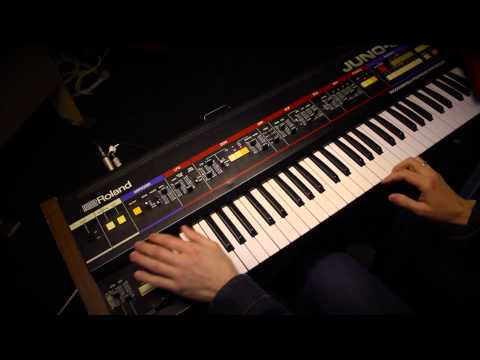
Use a monophonic analog-style synth for bass (e.g., Moog, SH-101, Juno). Set short decay, some glide/portamento, and compose 16th-note syncopations with strategic rests. Keep harmony minimal—1–2 chord vamps in minor modes, power-fifths, and suspended chords work well.
Layer punchy stabs and hooky arpeggios with analog polys (Prophet-5/Jupiter-8) or FM bells (DX7) for sparkle. Add noise bursts, risers, and robotic FX. Use plate/spring reverbs and tempo-synced delays; keep low end clean and centered.
Alternate between vocoder/talkbox hooks and rapped or chanted verses. Incorporate call-and-response crowd commands. Leave space for turntable scratches and backspins, especially in breakdowns.
Structure around intro–verse/chant–instrumental hook–breakdown–rebuild–outro. Feature drum-only drops for dancers. Mix for punchy kicks, snappy snares/claps, and defined, percussive bass; carve midrange for vocals and scratches; widen pads while keeping drums and bass mono-focused.