Your digging level
Description
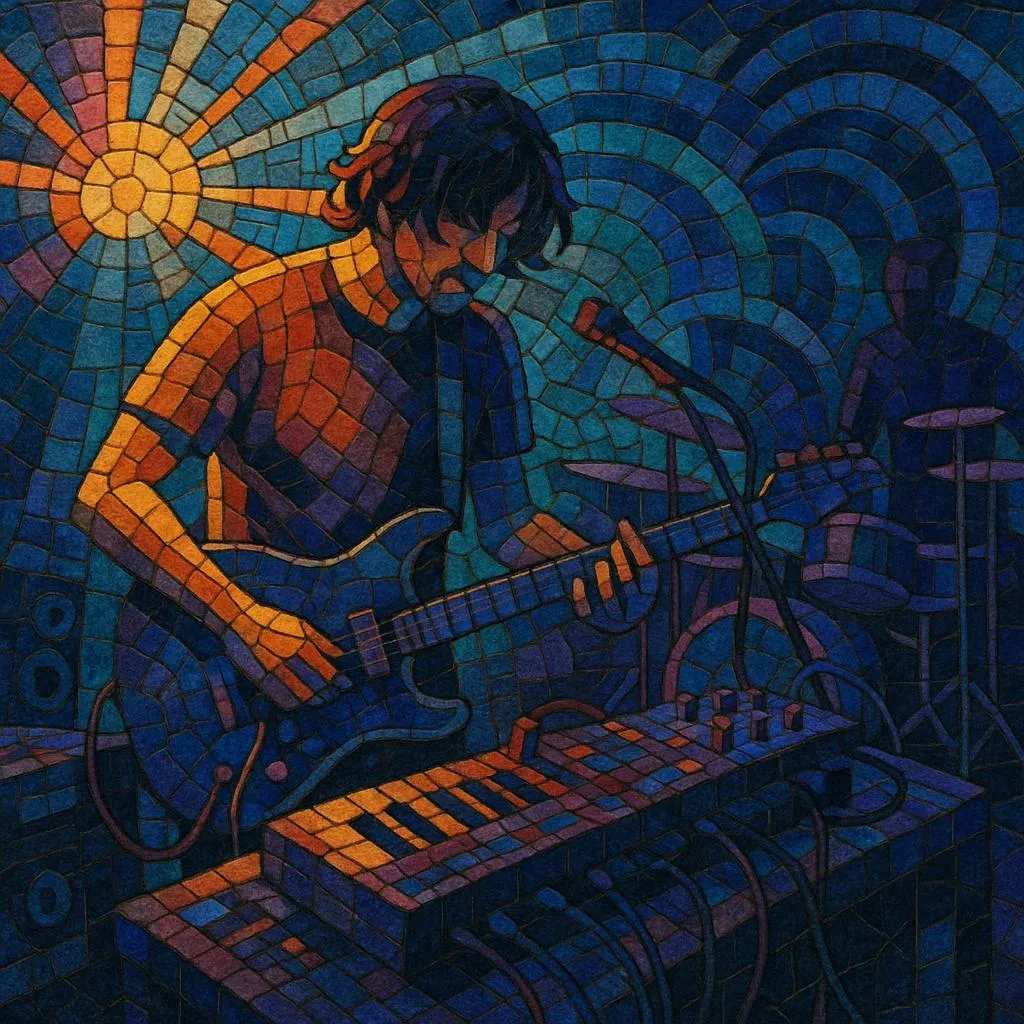
Jamtronica is a fusion of jam-band improvisation with electronic dance music aesthetics. Bands perform dance‑oriented grooves using live instruments—guitars, bass, drums, and keyboards—augmented by samplers, synths, drum machines, and laptops.
The style borrows the steady, hypnotic pulse of house and trance, the breakbeats of drum & bass and breakbeat, and the textural play of electronica and psychedelic rock. Songs often unfold as long-form suites with gradual builds, peaks, and seamless segues, favoring modal vamps, looping, and on‑the‑fly arrangement over fixed song forms.
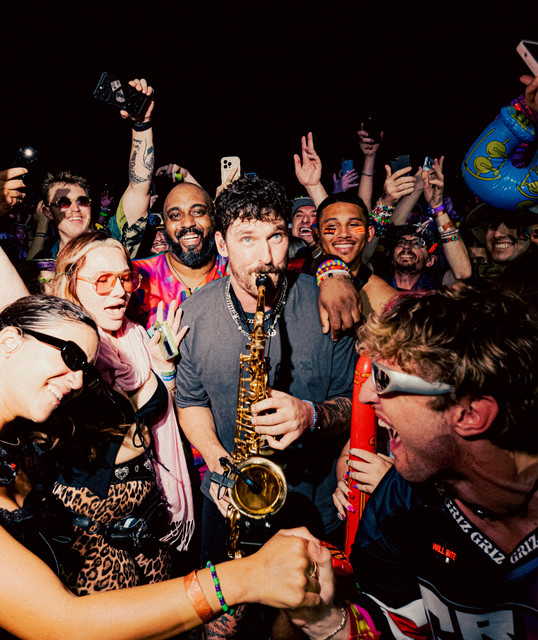
Culturally, jamtronica thrives in club and festival settings, emphasizing extended sets, improvisational risk‑taking, and a communal dancefloor experience guided as much by live musicianship as by DJ‑style flow.

History
Jamtronica emerged in the United States during the 1990s when jam bands began absorbing techniques and textures from contemporary electronic dance music. Instead of relying solely on blues‑rock or jazz changes, these groups adopted four‑on‑the‑floor house beats, trance‑style builds, and breakbeat/DnB momentum, arranging them for live drums, bass, guitars, and keys. Early adopters established the core idea: perform club‑ready electronic forms with improvisational, instrument‑driven spontaneity.
Through the 2000s, the style solidified: long, segued sets; real‑time looping; laptop‑aided sound design; and lighting/visuals synced to grooves. Clubs and festivals (especially U.S. jam and electronic crossover events) became natural homes for the sound. Bands organized tours like DJs—crafting setlist arcs, revisiting motifs, and developing show‑to‑show continuity—while still foregrounding live improvisation.
Affordable samplers, Ableton Live, MIDI controllers, and stage‑friendly modular rigs enabled bands to blend tight quantized elements with human feel. Typical traits included modal vamps (Dorian/Mixolydian), pedal points, filter sweeps, side‑chained textures, and dynamic “peak and release” structures bridging rock jams and dance drops.
In the 2010s, jamtronica diversified: some groups leaned funkier (electro‑funk), others pushed toward glitch‑hop or DnB, and many refined seamless, DJ‑like set flow. The approach also influenced adjacent live‑electronic acts and helped normalize improvisational bands on EDM‑heavy festival lineups.