Your digging level
Description
Ghettotech is a high‑velocity club style from Detroit that fuses the precision of Detroit techno and electro with the raw party energy of Miami bass, Chicago ghetto house, and hip hop. Typical tempos sit around 150–160 BPM, with clipped 808 drums, chattering hi‑hats, and razor‑sharp edits designed for rapid‑fire DJ mixing.
Tracks are built from minimal loops, aggressive sub‑bass, and short, chant‑like vocals that are often sexually explicit and call‑and‑response in nature. The music leaves space for dancers—especially Detroit’s jit style—favoring functional, DJ‑tool arrangements, quick drops, and hard cuts over extended harmonic development. The overall effect is fast, body‑moving, and confrontational, optimized for packed, sweat‑soaked dance floors.


History
Ghettotech emerged in mid‑1990s Detroit, where DJs in Black club and party circuits pushed the city’s techno and electro aesthetics into harder, faster territory. They sped up Chicago ghetto house and Miami bass records, chopped in rap acapellas, and sharpened drum programming with 808 kits. The sound grew in tandem with local dance cultures (notably jit), broadcast energy from Detroit radio and TV (e.g., The New Dance Show), and the do‑it‑yourself ethos of mixtapes and neighborhood parties.
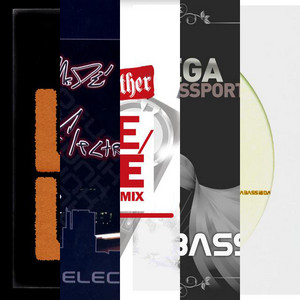
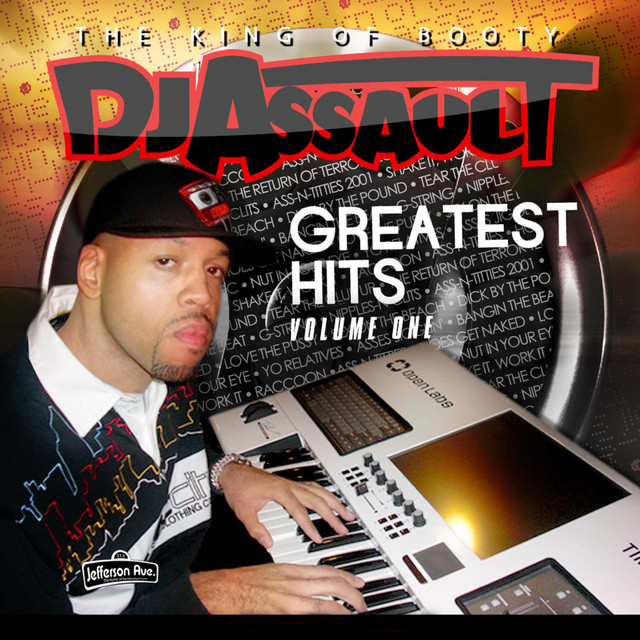
By the late 1990s, labels like Databass Records (DJ Godfather) and Twilight 76 (DJ Assault & Mr. De) codified the style on 12" singles and DJ battle tools. Signature records—lean, loop‑driven, and explicit—became anthems in Detroit and beyond. Production emphasized ultra‑functional arrangements for fast cuts and blends, letting DJs flip between techno, electro, bass, and rap within one relentless set.
Through touring DJs, white‑label circulation, and the internet, ghettotech spread to the Midwest and Europe in the 2000s, cross‑pollinating with electro‑bass and techno scenes. Its high‑BPM, minimal‑loop blueprint fed directly into Chicago’s juke and later footwork, while its performance style (quick blends, turntablist cuts, rap snippets) influenced a generation of club DJs. Although still rooted in Detroit party culture, ghettotech’s DNA remains audible across contemporary high‑energy club offshoots.
![How To Modern Ghettotech Electro [Partiboi69, Hermeth, Amadeezy Style] +Samples](https://i.ytimg.com/vi/Y-oV_PIQkvo/hqdefault.jpg)