Your digging level
Description
West Coast rap is a regional style of hip hop that emerged in California in the early to mid‑1980s and came to worldwide prominence in the 1990s.
Sonically, it leans on funk and R&B—especially 1970s P‑Funk—with elastic, melodic basslines, glossy synth leads, talkbox/vocoder hooks, and laid‑back but hard‑hitting drum programming. Rhythms typically sit around 85–100 BPM with a relaxed, behind‑the‑beat flow, crisp claps on 2 and 4, and deep, sustained 808 kicks.
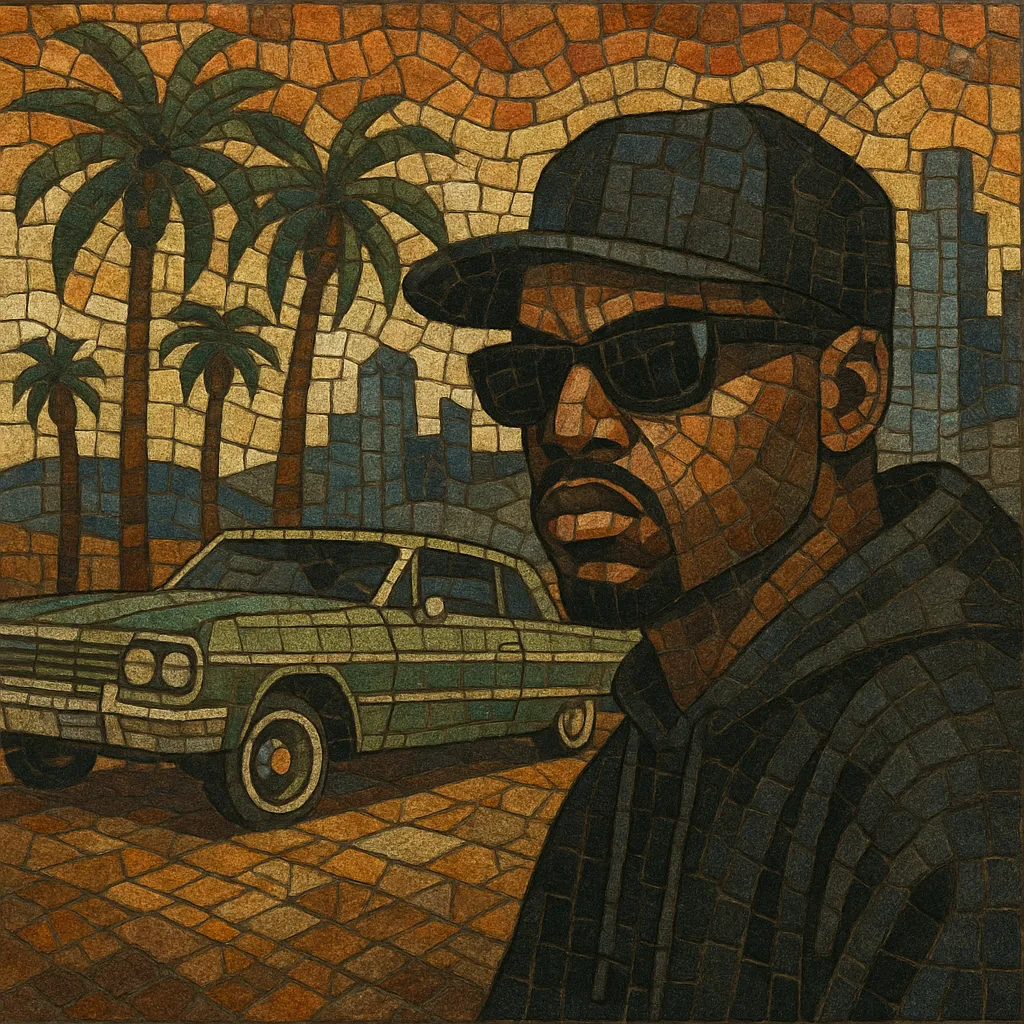
Lyrically, it ranges from street reportage and social commentary to cruising anthems and party records, often steeped in West Coast slang and car culture (lowriders, freeway cruising). The style encompasses Los Angeles/Compton/Long Beach as well as Bay Area aesthetics, later flowering into sub‑movements like G‑funk, hyphy, jerkin’, and ratchet.


![The Evolution Of West Coast Rap [1983 - 2021]](https://i.ytimg.com/vi/lf7FBDVqA5U/hqdefault.jpg)
History
West Coast rap formed as hip hop culture reached California. Party crews and electro‑rap pioneers like Egyptian Lover, Uncle Jamm’s Army, and the World Class Wreckin’ Cru fused New York–style MCing with West Coast electro and boogie. In the Bay Area, Too Short began releasing locally distributed tapes, while Ice‑T in Los Angeles introduced harder street narratives influenced by East Coast gangsta origins (e.g., Schoolly D).
By the late 1980s, N.W.A (Eazy‑E, Ice Cube, Dr. Dre, MC Ren, DJ Yella) crystallized a distinctly West Coast sound—minimalist, menacing beats with unflinching depictions of policing, poverty, and gang life. This era established West Coast rap as both commercially potent and politically controversial, setting the stage for a broader stylistic palette.
Dr. Dre’s The Chronic (1992) and Snoop Doggy Dogg’s Doggystyle (1993) brought P‑Funk sampling, sine‑wave leads, and talkbox hooks into mainstream hip hop. Producers like DJ Quik, Warren G, and Battlecat refined the smooth, bass‑heavy aesthetic, while 2Pac’s Death Row era aligned powerful storytelling with West Coast sonics. The result was an international peak of influence, radio dominance, and a laid‑back yet cinematic sound that defined the decade.
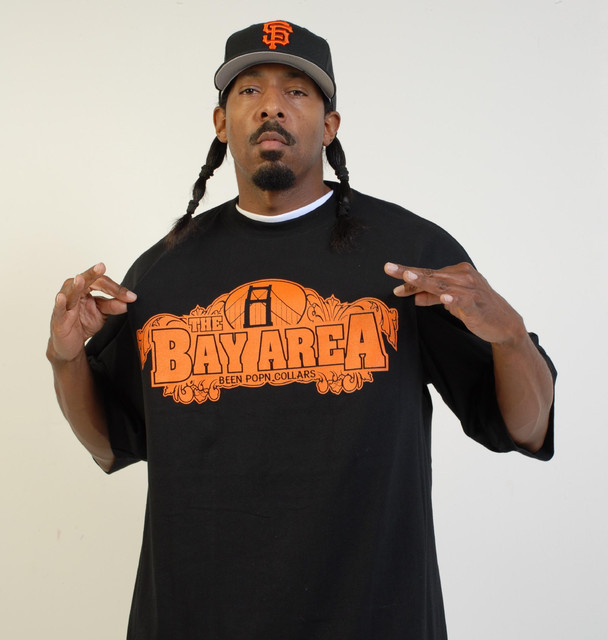
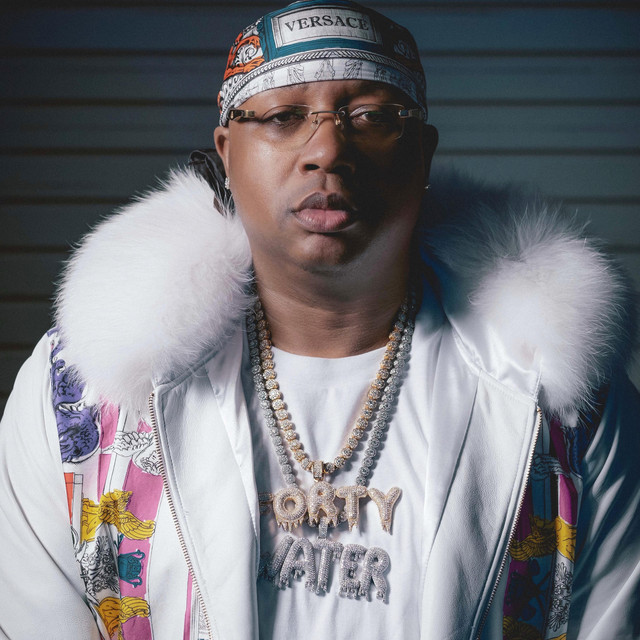
As the G‑funk wave waned, LA’s underground (Freestyle Fellowship, Dilated Peoples, The Pharcyde) and the Bay Area’s independent hustle (E‑40, Hieroglyphics) sustained innovation. The Bay’s hyphy movement (Mac Dre, Keak da Sneak, E‑40) foregrounded uptempo energy, chant hooks, and car‑dance culture. In LA, the jerkin’ scene and, soon after, DJ Mustard’s sparse, clap‑driven “ratchet” sound updated the regional bounce for a new radio era.
Top Dawg Entertainment (Kendrick Lamar, ScHoolboy Q, Jay Rock) fused classic West Coast textures with modern narratives and jazz‑inflected musicality, restoring critical and commercial primacy. Nipsey Hussle reaffirmed entrepreneurial street realism; YG and Mustard codified minimalist club funk; Odd Future spotlighted a left‑field edge. Today, West Coast rap encompasses heritage G‑funk aesthetics, Bay slaps, and contemporary, internet‑native approaches—still rooted in groove, melody, and a distinct sense of place.



Top albums

Best playlists