Your digging level
Description
Hyphy is a high‑energy, party‑centric branch of Bay Area hip hop that emphasizes thumping 808s, chantable hooks, and a rowdy, participatory club atmosphere. Emerging primarily from Oakland, Vallejo, and surrounding Northern California cities, it is as much a dance and street culture as it is a sound.
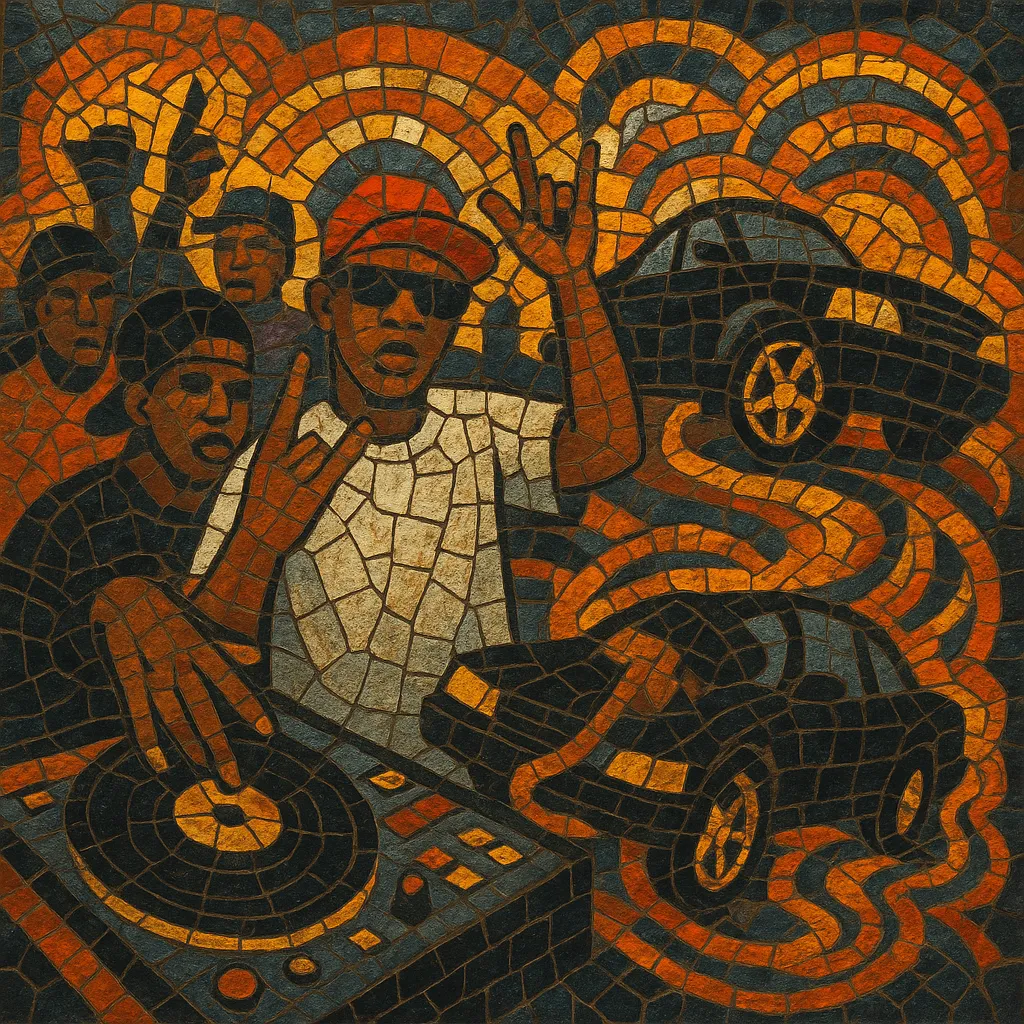
Tracks tend to be fast and percussive, built around heavy sub‑bass, crisp claps/snares, simple synth stabs, and call‑and‑response vocals designed to get crowds “going dumb.” The culture is closely tied to sideshows (informal car gatherings), “ghost riding the whip,” and distinctive Bay slang popularized by local icons.
History
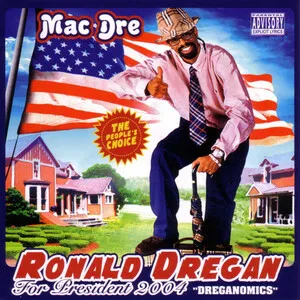
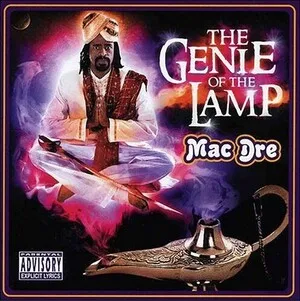
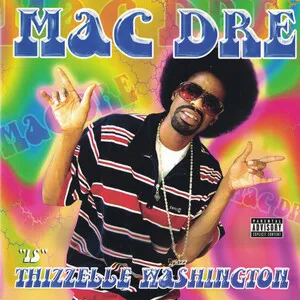
Hyphy’s groundwork was laid in the late 1990s within the Bay Area’s independent rap ecosystem, especially Oakland and Vallejo. It grew out of local West Coast hip hop and Bay Area mobb music, with funk- and electro-informed 808 production and a street-party sensibility. Pioneers like Mac Dre helped define the slang, humor, and do‑it‑yourself hustle that shaped the movement.
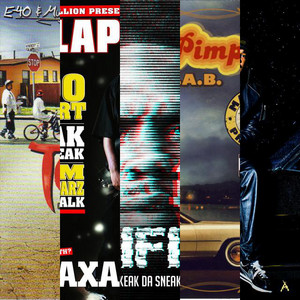
By the mid‑2000s, hyphy crystallized as a distinct sound and culture. Keak da Sneak popularized the term “hyphy,” while artists such as E‑40, Mistah F.A.B., The Federation, and crews like The Team and The Pack pushed the sound regionally and nationally. Producers including Rick Rock and Traxamillion crafted “slaps” built for clubs and car systems. E‑40’s “Tell Me When to Go” (produced by Lil Jon) and Keak da Sneak’s “Super Hyphy” became movement-defining anthems, and the Bay’s dance and car culture—sideshows, “ghost riding,” and exuberant crowd participation—became widely visible.
Hyphy is inseparable from its participatory vibe: call‑and‑response chants, crowd “go dumb” moments, and a playful, defiant attitude. It foregrounded distinctive Bay slang, fashion (e.g., stunna shades), and dances, elevating local identity. Radio, mixtapes, and community shows in the Bay helped spread the sound long before mainstream attention.
Although the mid‑2000s were its commercial peak, hyphy continued to echo through West Coast rap. It informed later West Coast party rap waves in Northern California and Southern California alike, feeding into the jerk and ratchet movements’ minimal, dance‑forward bounce. Hyphy’s emphasis on chantable hooks, sub‑heavy drums, and participatory energy remains a cornerstone of modern Bay Area rap and continues to influence club‑minded hip hop beyond the region.