

Your digging level
Description
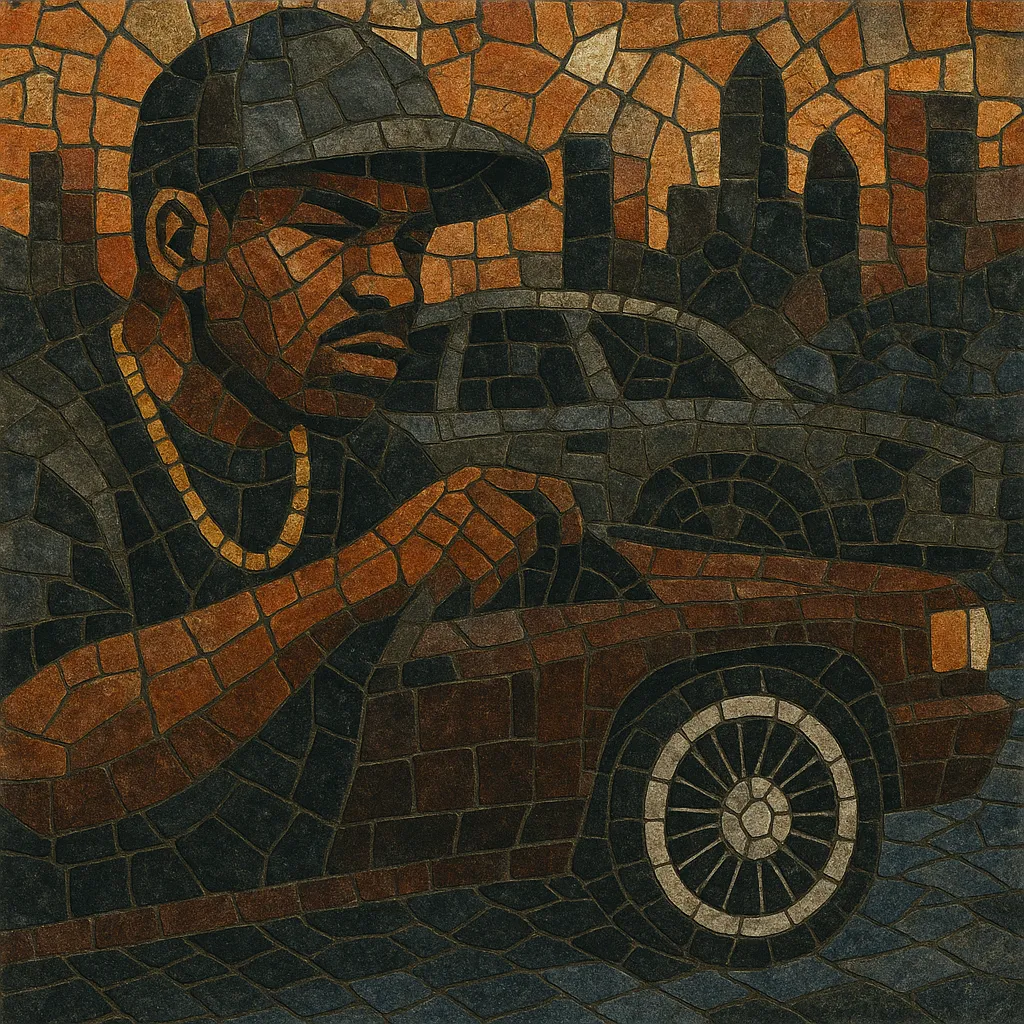
Mobb music is a Northern California–rooted strain of West Coast hip hop defined by slow- to mid‑tempo "slap" beats, ultra-deep sub‑bass, rubbery funk basslines, and moody minor‑key synth loops. It emphasizes a heavy, trunk‑rattling low end designed for car systems, with crisp rimshots or claps on the backbeat and steady 16th‑note hi‑hats.
Lyrically, it blends Bay Area game‑spitting, hustler narratives, and neighborhood reportage with a cool, unhurried delivery. Sonically it sits between early G‑funk smoothness and a raw street minimalism: sparse arrangements, short two‑ to four‑bar motifs, talkbox or synth‑lead hooks, and a menacing yet laid‑back pocket.



History
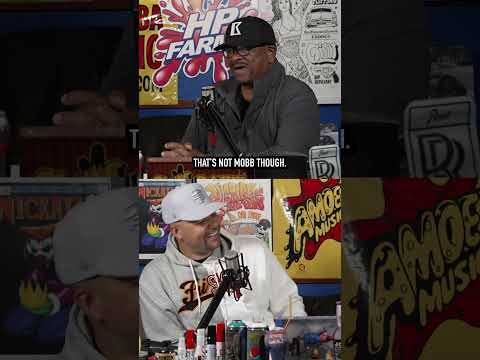
Mobb music crystallized in the San Francisco Bay Area—especially Oakland, Vallejo, Richmond, and Sacramento—at the turn of the 1990s. Building on West Coast gangsta rap and G‑funk’s P‑Funk lineage, local producers favored slower tempos, cavernous 808/909 low end, and stark synth motifs that hit hard in cars. Independent labels like Sick Wid It Records, Young Black Brotha Records, Black Market Records, and AWOL Records helped define the sound through prolific regional releases.
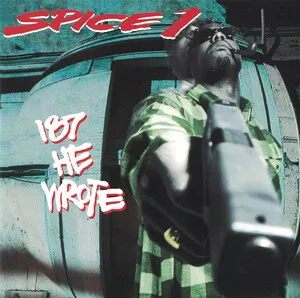
By the mid‑1990s, artists such as E‑40, Too Short, Mac Dre, B‑Legit, C‑Bo, Spice 1, Dru Down, RBL Posse, and producers like Studio Ton, Mike Mosley, Sam Bostic, and Ant Banks cemented the aesthetic: slow‑rolling drums, fat sub‑bass, minimal chromatic synth leads, and streetwise hooks. The music’s identity aligned with Bay Area car culture and slang, making “slaps” a local benchmark for mix and feel.
As the 2000s approached, mobb music fed directly into the Bay’s hyphy movement, retaining the heavy low‑end emphasis while adding party‑forward energy. Simultaneously, Sacramento and the North Bay maintained darker mobb variants, while groups like Mob Figaz and artists such as The Jacka carried the torch with reflective, hustler‑poetic writing over classic mobb textures.
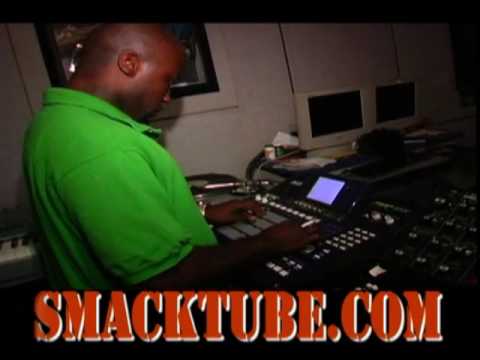
Even as production tools evolved (MPCs and SP‑1200s giving way to DAWs and Triton/soft‑synth palettes), the core language—sub‑focused drums, minimal loops, and a laconic swing—remained. Mobb music’s blueprint influenced hyphy, LA ratchet music, jerkin’-era drum programming, and even elements of Bay‑born cloud rap and “New Bay” slap aesthetics, ensuring the style’s DNA remains audible across the West Coast and beyond.




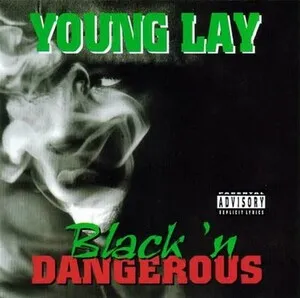
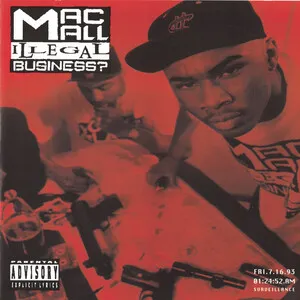
Top albums
Best playlists



