Your digging level
Description
Deep G-Funk is a subgenre of G-Funk that emphasizes a smoother, more atmospheric, and often melancholic or laid-back aesthetic compared to its mainstream counterpart. Characterized by slow, hypnotic grooves (typically 80-95 BPM), it features heavy, rolling basslines, lush synthesizer layers, and the signature high-pitched 'whiny' synth leads derived from P-Funk.
The 'deep' aspect often refers to its underground nature, lyrical introspection, or the immersive, mellow quality of the production, which frequently incorporates soulful female backing vocals and samples from 1970s funk and soul records. While sharing the gangsta rap themes of street life and violence, it often balances them with hedonistic relaxation or somber reflection.


History
Deep G-Funk emerged in the early to mid-1990s as a distinct stylistic variation within the broader West Coast Hip Hop explosion.
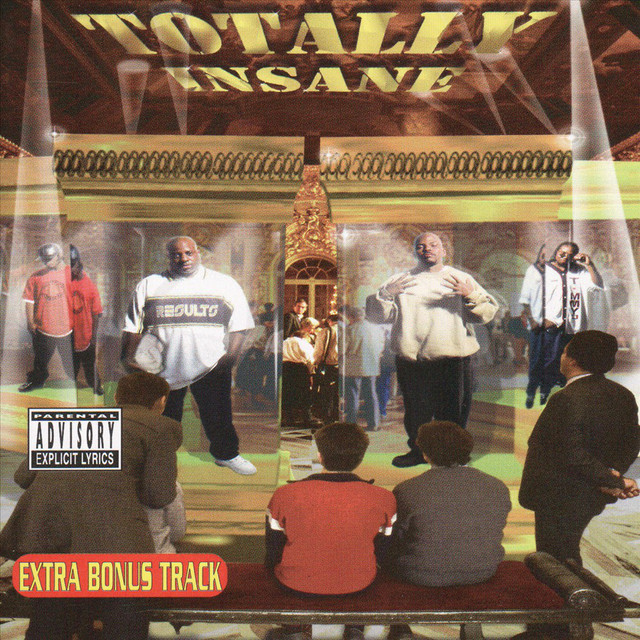
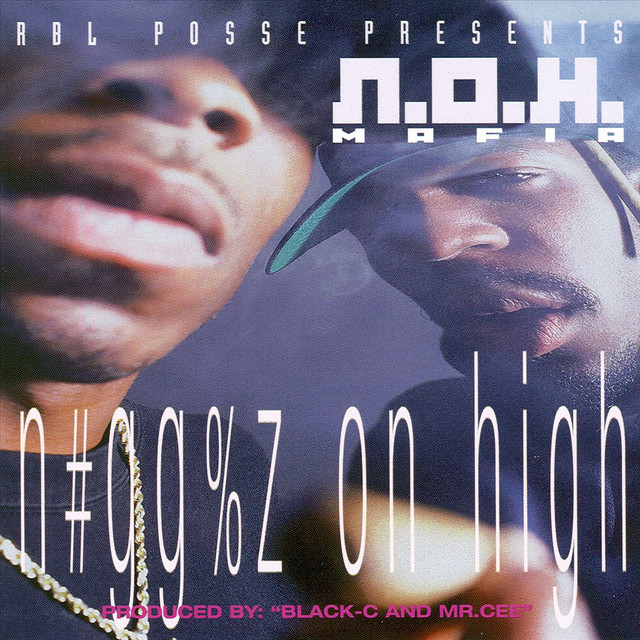
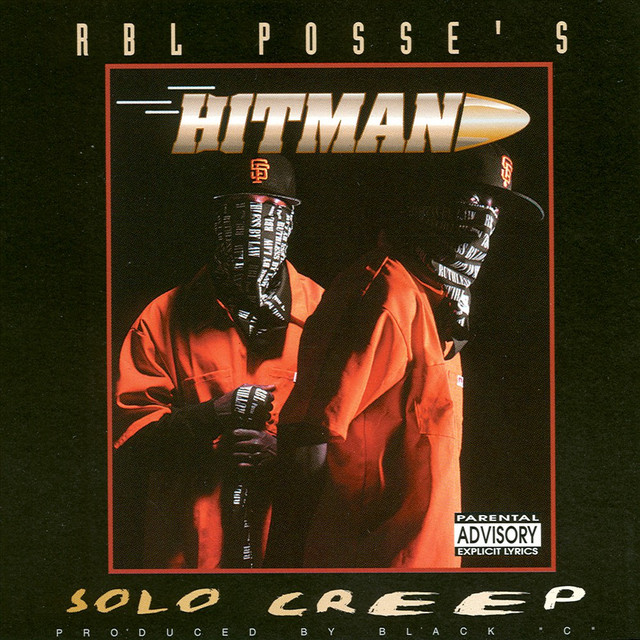
While Los Angeles was the epicenter of mainstream G-Funk led by Dr. Dre, a parallel and deeply influential scene developed in the San Francisco Bay Area. This regional sound, often overlapping with 'Mobb Music,' favored slower tempos, heavier bass, and a more raw, underground aesthetic. Artists like RBL Posse and Totally Insane pioneered this sound, blending the funk samples of the south with a distinct Northern California grit.
As the genre matured, a wave of artists began producing tracks that leaned heavily into the 'smooth' and 'mellow' side of the funk spectrum. This style became known for its immersive atmosphere—'deep' in both its sonic richness and its often obscure, crate-digging sample choices. It provided a soundtrack for 'rolling' or cruising, emphasizing vibe over pop appeal.
Though many Deep G-Funk artists never achieved the global fame of Snoop Dogg or Warren G, the subgenre developed a dedicated cult following. In the internet age, it has been rediscovered and categorized by enthusiasts who curate playlists of these 'deep cuts,' preserving the legacy of the underground 90s West Coast and Southern funk-rap scenes.
Composing Deep G-Funk requires a focus on groove, space, and texture to create a hypnotic atmosphere.
Set your tempo between 80 and 95 BPM. Use a drum machine (like a Roland TR-808) or sampled breakbeats. The kick should be punchy and deep, often following a simple pattern, while the snare should be sharp and prominent, hitting on the 2 and 4. Add loose, swinging hi-hats to establish a laid-back 'gangsta' boogie feel.
The bassline is the heart of the track. Use a Minimoog or similar subtractive synth to create a deep, rolling sine or saw wave bass. It should be melodic, often sliding (portamento) between notes. Harmonically, use minor keys and extended chords (minor 7ths, minor 9ths) played on an electric piano (Rhodes or Wurlitzer) to add a jazzy, soulful depth.
Layer the track with a high-pitched, monophonic synth lead (the 'worm' sound) playing a counter-melody. Incorporate funk guitar wah-wahs or muted strums. Use samples from 1970s P-Funk or soul records, but filter them or replay them to fit the mood. Add atmospheric effects like vinyl crackle or rain sounds to enhance the 'deep' vibe.