Your digging level
Description
Sacramento hip hop is the regional rap sound that grew out of California’s state capital, blending West Coast gangsta traditions, Bay Area mobb music bounce, and a notably macabre, cinematic streak popularized by local pioneers. Early records leaned into eerie minor‑key melodies, heavy 808s, and visceral street reportage, establishing a "sicc" aesthetic that made the city’s output darker and more narrative‑driven than many peers.
From the 2010s onward, a new wave brought conversational, unvarnished street rap to the fore, led by artists who favored stark storytelling, minimal hooks, and tight, behind‑the‑beat flows. Running parallel is Sacramento’s experimental edge—most famously the abrasive, industrially‑tinged approach of Death Grips—which pushed the scene’s reputation for boundary‑breaking production and vocal intensity.


History
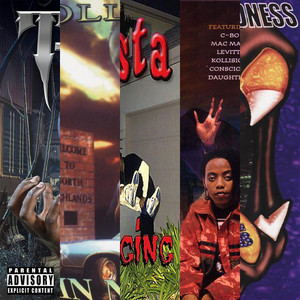
Sacramento’s rap identity crystallized in the early to mid‑1990s with crews and labels such as Black Market Records, AWOL Records, and SiccMade Muzicc. Pioneers like Brotha Lynch Hung, C‑Bo, X‑Raided, and Luni Coleone (f.k.a. Lunasicc) forged a distinctly dark, cinematic West Coast sound. Their albums paired G‑funk low‑end with cold pianos, strings, and horror‑film textures, while lyrics emphasized raw, street‑level storytelling. This era established the "Sicc" aesthetic—grim, vivid, and technically sharp—that became synonymous with Sacramento.
Through the 2000s, Sacramento continued building a loyal regional base. The Bay Area’s hyphy energy—call‑and‑response chants, uptempo claps—rubbed off at times, but Sacramento largely kept a grittier, more narrative focus than Bay party rap. Underground circuits, mixtapes, and independent distribution kept the scene self‑sufficient, while a university‑town pipeline (nearby Davis) connected local tastes with alternative and turntablist strands.
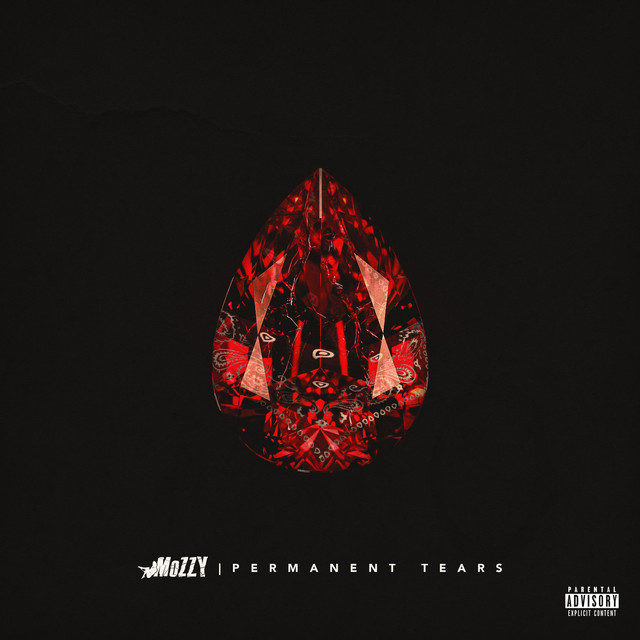
The 2010s saw national attention return via Mozzy and affiliates, whose conversational delivery and sober beat selection reframed Sacramento as a hub for stark, diaristic street rap. Parallel to this, Death Grips projected Sacramento onto global experimental maps by blending industrial hip hop, noise, and punk energy, influencing a wave of aggressive, distorted rap aesthetics.
Sacramento hip hop is now recognized both for its classic, horror‑laced West Coast lineage and for modern, minimalist street narratives. Its experimental wing has also impacted the sound design and performance intensity of contemporary underground rap scenes worldwide.