

Your digging level
For this genre
0/8
🏆
Sign in, then listen to this genre to level up
Description
Funk melody is a light, romantic, and tuneful branch of Brazilian funk that emerged in Rio de Janeiro in the 1990s. It blends the percussive drive and party ethos of funk carioca with the synth lines, chord progressions, and sung hooks characteristic of Latin freestyle and 1980s electro-pop.
Compared with the rawer baile sound, funk melody favors smoother vocals, diatonic chord changes, and memorable choruses over aggressive MC call‑outs. The result is a dancefloor‑ready yet radio‑friendly style whose lyrics often center on love, flirting, nostalgia, and everyday romance.
History
Origins (late 1980s–1990s)
• Funk melody took shape in Rio de Janeiro as local DJs and producers—connected to Miami by record‑pool routes—absorbed Miami bass and Latin freestyle alongside electro and hip hop.
• Within the baile funk ecosystem, some MCs and producers pursued a smoother, sung approach. They kept the signature tamborzão/808 pulse but layered it with melodic synths and chord progressions borrowed from freestyle and R&B.
Consolidation and Popular Breakthrough (mid‑1990s–2000s)
• Pioneering DJs such as DJ Marlboro and later hitmakers and vocal duos/MCs helped codify the romantic, chorus‑driven format. Tracks emphasized verse–pre‑chorus–chorus structures, call‑and‑response hooks, and relatable love themes.
• Through the 2000s, funk melody enjoyed broad radio and TV exposure in Brazil, standing alongside harder baile variants while becoming a gateway for pop audiences into funk culture.
2010s–present: Pop Crossovers and Streaming Era
• As Brazilian funk diversified (e.g., proibidão, ostentação, automotivo, 150 BPM), the melodic template remained influential: smoother vocals and chordal synth textures migrated into pop‑funk and mainstream Brazilian pop.
• Streaming and social media amplified romantic funk hits with sing‑along choruses, keeping the funk melody aesthetic relevant in collaborations between DJs, MCs, and pop vocalists.
Musical Traits
• Drum programming typically uses 808/909 kits with the tamborzão groove; tempos commonly range from ~100–130 BPM.
• Prominent lead vocals and harmonized refrains sit over bright pads, bell/lead synths, and subby, syncopated bass—an aesthetic traceable to Latin freestyle and electro‑pop.
Rhythm and Tempo
• Aim for 100–130 BPM. Slower (100–115) suits tender, radio‑friendly songs; faster (125–130) suits baile‑oriented tracks.
• Program the classic tamborzão with 808/909 kits: heavy kick on 1, syncopated ghost kicks, crisp claps/snares on backbeats, and bright, syncopated hi‑hats.
Harmony and Melody
• Use diatonic, catchy progressions borrowed from Latin freestyle and R&B (e.g., I–vi–IV–V or I–V–vi–IV). Keep voicings clear and consonant.
• Create singable toplines with call‑and‑response phrasing and a hook‑centric chorus. Layer simple backing harmonies or vocoder/doubles on refrains.
Sound Palette and Arrangement
• Combine sub‑heavy 808 bass with warm pads, bell/lead synths, and occasional plucky keys. Sidechain pads subtly to the kick to retain dancefloor energy.
• Arrange as intro – verse – pre‑chorus – chorus – verse – chorus – bridge – final chorus. Use a breakdown before the final hook to spotlight vocals.
Lyrics and Delivery
• Focus on romance, longing, flirting, everyday love stories, and nostalgic sentiments. Keep language direct and emotive.
• Favor sung leads (not just MC toasting), with clear diction and memorable refrains. Light ad‑libs can bridge sections without crowding the hook.
Production Tips
• Glue the rhythm section with gentle bus compression; tame high‑end brightness to keep the style smooth rather than abrasive.
• Reference Latin freestyle for synth choices and chorus lift, and baile funk for drum weight and groove—your track should dance and sing in equal measure.

Top albums
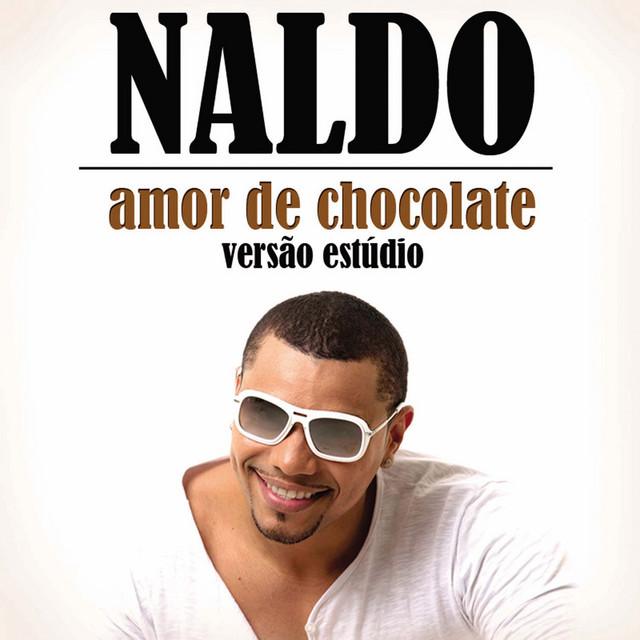
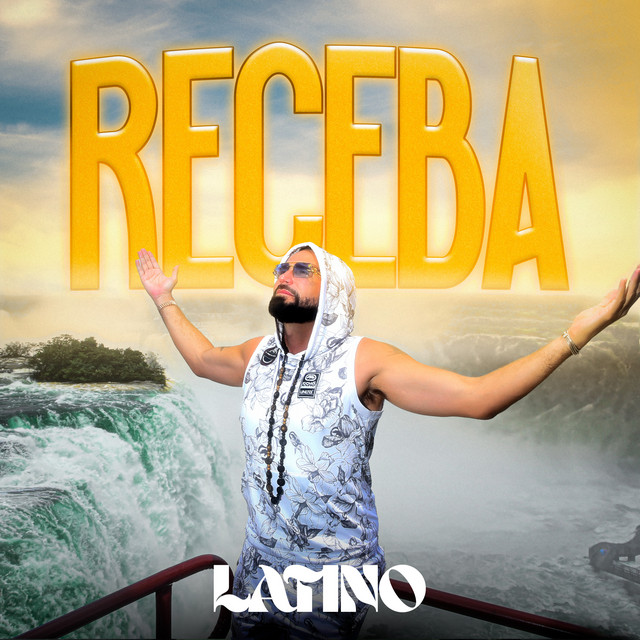
Best playlists

Main artists


Top tracks
Locked
Share your favorite track to unlock other users’ top tracks
Upcoming concerts
in this genre
