Your digging level

For this genre
0/8
🏆
Sign in, then listen to this genre to level up

Description

Mid‑school hip hop marks the transition from the party‑oriented, band/DJ‑driven old school to the leaner, harder "new school" sound of the mid‑to‑late 1980s.

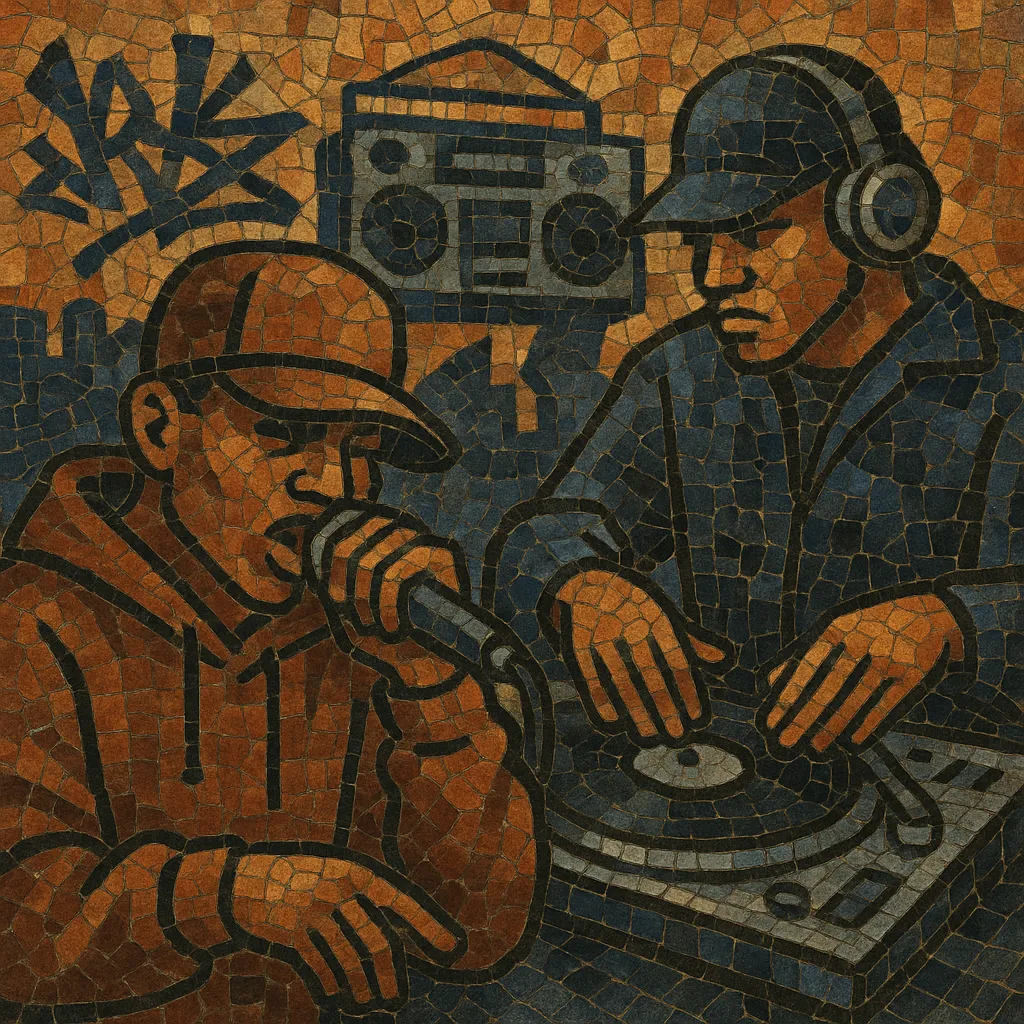
It is characterized by heavy, stripped‑down drum‑machine beats (often from the Roland TR‑808, Oberheim DMX, or LinnDrum), punchy handclaps, sparse bass lines, aggressive, clearly enunciated MCing, and DJ cuts/scratches. Production emphasizes minimalism and impact: dry, forward vocals sit on top of tough, metronomic grooves with few melodic layers, sometimes punctuated by rock guitar stabs or short sampled riffs.

Lyrically, mid‑school favors battle rhymes, braggadocio, party‑rocking hooks, and street reportage that set the stage for the Golden Age’s complexity.

Sources: Spotify, Wikipedia, Discogs, RYM, MB, user feedback and other online sources

History

Origins (early–mid 1980s)

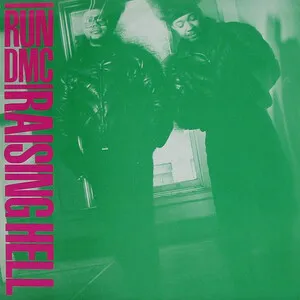
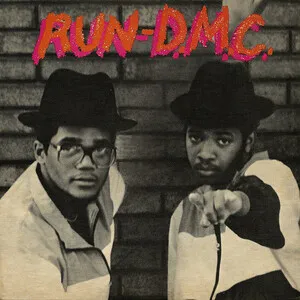
As hip hop moved from park jams and live bands toward record making, a new pragmatic studio grammar emerged. Affordable drum machines and samplers allowed producers and DJs to replace full bands with hard, dry beats. Acts like Run‑D.M.C. and LL Cool J—often working with Def Jam’s Rick Rubin—pioneered a no‑frills aesthetic: booming kicks, snapping claps, shouted hooks, and commanding delivery.

Sound and aesthetics

Where old school records commonly leaned on disco and funk backings, mid‑school tracks foregrounded the machine: TR‑808 subs, Oberheim/Linn snares, and clearly gated claps. DJs integrated sharper, more rhythmic scratching; MCs projected louder and more percussively to match the drums. The overall feel was tougher and more angular, with rock textures occasionally reinforcing the attitude.

Key period and regional spread (c. 1984–1988)

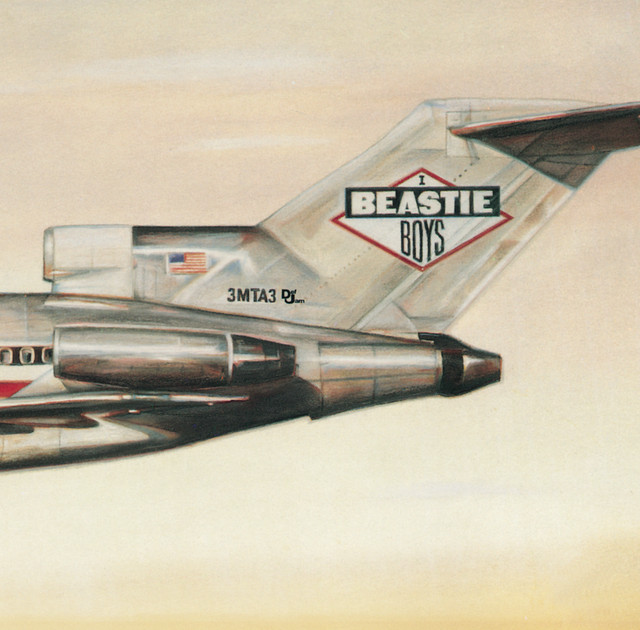
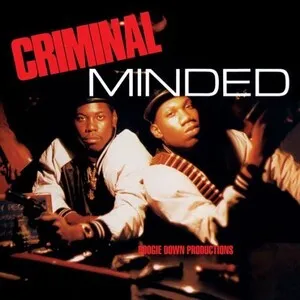
From New York to Philadelphia and out to Los Angeles, mid‑school cemented hip hop as album music and radio fare. Run‑D.M.C., Whodini, Schoolly D, Boogie Down Productions, Eric B. & Rakim, EPMD, Beastie Boys, and others defined an era in which minimalism equaled power. This period also incubated the lyrical and production advances that would ignite the late‑1980s Golden Age.

Legacy

Mid‑school’s stripped beats and assertive delivery directly informed boom bap, hardcore hip hop, and early gangsta rap. Its drum‑machine focus and battle‑tested cadence became a template for future East Coast styles, pop rap crossovers, and the broader mainstreaming of hip hop.

How to make a track in this genre

Core palette
•   Drum machines: TR‑808, Oberheim DMX, LinnDrum (or modern emulations). Use dry, punchy samples with minimal ambience. •   DJ elements: simple but rhythmic scratches, backspins, and cut‑ins for fills and transitions. •   Optional accents: short guitar stabs, sparse synth bass, or one‑shot horn/piano hits.
Beats and tempo
•   Tempo: typically 95–115 BPM; keep the groove steady and uncluttered. •   Pattern: 4/4 with emphatic kicks on 1 and 3, claps/snares on 2 and 4. Layer handclaps over snares for weight. •   Programming: quantize tightly; use occasional fills (e.g., 16th‑note snare rolls) sparingly to maintain the stripped feel.
Bass and harmony
•   Bass: simple, repetitive lines—subby 808 booms, short synth bass riffs, or sampled one‑note ostinatos. •   Harmony: minimal. Rely on rhythmic interplay and timbral contrast; if sampling, use short, percussive stabs more than long loops.
MCing and lyrics
•   Delivery: loud, clear, percussive; strong consonants to lock with the snare. •   Content: battle rhymes, braggadocio, party chants, early street reportage; memorable call‑and‑response hooks. •   Structure: 16‑bar verses with 4 or 8‑bar hooks; occasional breakdowns to spotlight the DJ.
Arrangement and mix
•   Keep layers few: drums, bass, lead vocal, DJ cuts, and one or two accents. •   Mix vocals forward and dry; prioritize transient impact on kicks/claps; avoid heavy reverb. •   Use mutes and drop‑outs (e.g., bass‑less or drum‑only bars) to create dynamics without adding parts.
Practice regimen
•   Study canonical tracks by Run‑D.M.C., LL Cool J, and EPMD; recreate drum patterns and claps. •   Write 16s over a metronome and 808 to internalize cadence; rehearse call‑and‑response hooks for live energy.

Top tracks

Locked
Share your favorite track to unlock other users’ top tracks

Upcoming concerts

in this genre
Influenced by
Has influenced

Download our mobile app

Get the Melodigging app and start digging for new genres on the go
© 2026 Melodigging
Melodding was created as a tribute to Every Noise at Once, which inspired us to help curious minds keep digging into music's ever-evolving genres.
Buy me a coffee for Melodigging