Your digging level
Description
Atlanta bass is a high‑energy Southern hip hop offshoot that took the turbocharged, TR‑808 thump of Miami bass and gave it a distinctly ATL identity.
It emphasizes booming sub‑bass, tom/cowbell fills, chantable hooks, and party‑centric or risqué lyrics made for skating rinks, car systems, and strip clubs.
Typical tracks run fast and minimal, driven by tuned 808 kicks, snappy claps/snares, and short, catchy synth riffs, with call‑and‑response vocals that hype the crowd.
The style acted as a bridge between electro‑rooted bass music and the later crunk, snap, and trap waves that would define Atlanta’s global rap sound.



History
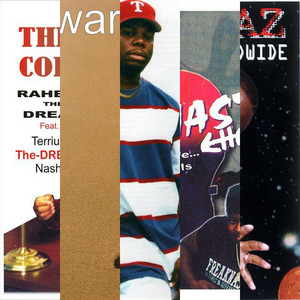
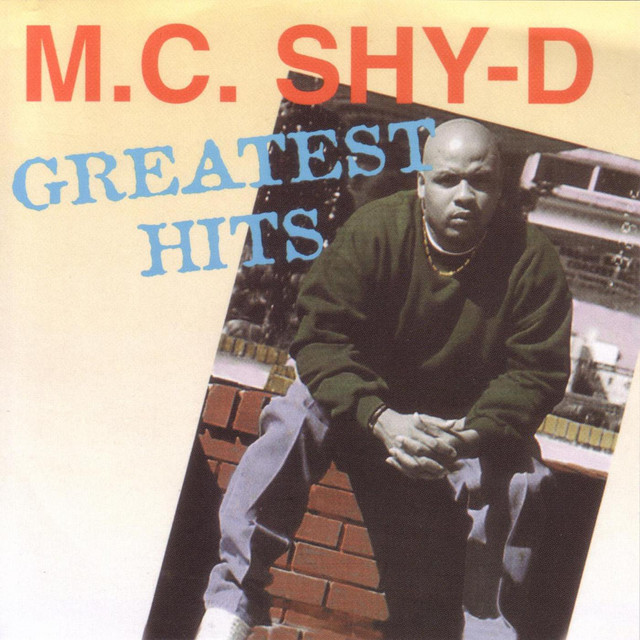
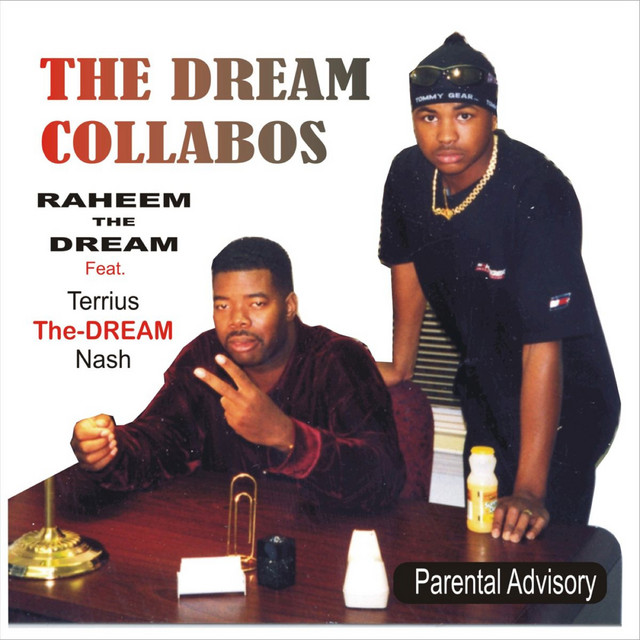
Atlanta bass emerged as Atlanta DJs and MCs absorbed and localized the booming low‑end of Miami bass, itself rooted in electro and electro‑funk. Early adopters such as MC Shy D (a Bronx transplant to Atlanta) and Raheem the Dream helped translate the 808‑heavy, chant‑friendly club sensibility into an ATL context—fast, minimal, and built for call‑and‑response excitement.
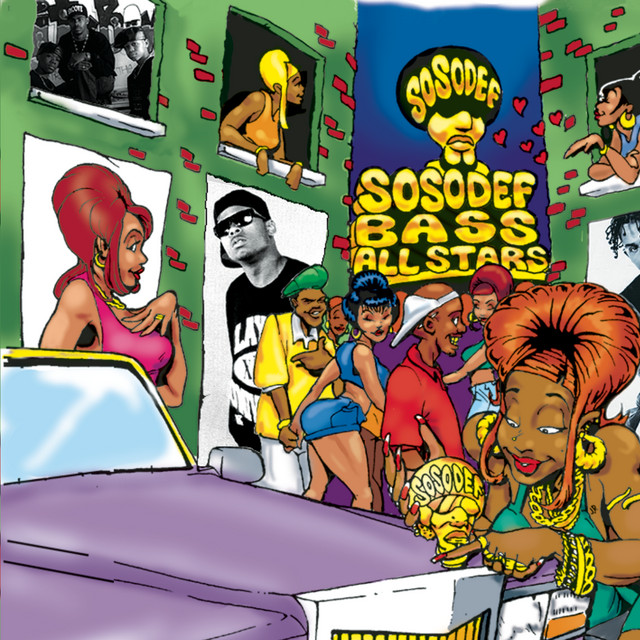
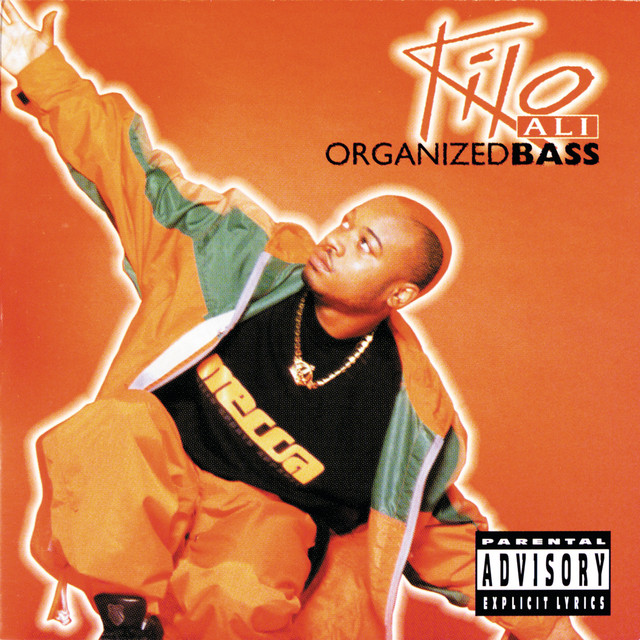
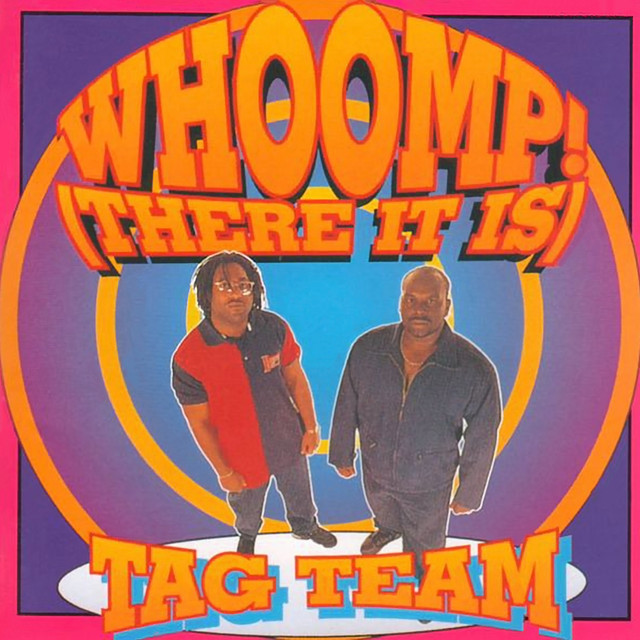
By the early 1990s, Atlanta bass had a recognizable identity: uptempo 808 beats, cowbells/toms, and party‑forward rhymes designed for rinks, block parties, and the city’s burgeoning strip‑club circuit. Kilo Ali’s records (including the infamous "Cocaine (America Has a Problem)"), Tag Team’s stadium‑sized chant "Whoomp! (There It Is)" (1993), and DJ‑driven hits by DJ Taz, Kizzy Rock, and A‑Town Players turned the sound into a Southeastern phenomenon. The "So So Def Bass All‑Stars" compilations (mid‑1990s), shepherded by Jermaine Dupri, packaged the style for mainstream audiences (with associated acts like Ghost Town DJ’s), pushing ATL bass beyond the region.
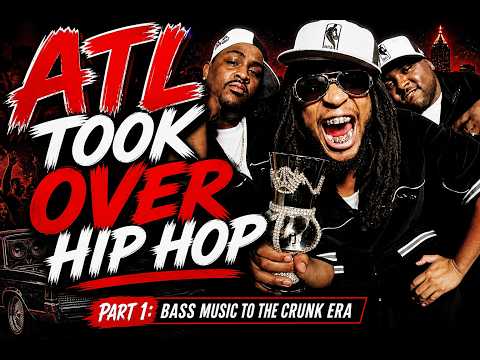
As Atlanta’s rap scene diversified, the hyped, chant‑heavy DNA of Atlanta bass fed directly into crunk (Lil Jon/Mr. Collipark’s ecosystem), then into the minimal, hook‑led snap wave, and later into the 808‑forward aesthetics of trap. Even as the term "Atlanta bass" receded, its core ingredients—tuned 808s, chant hooks, and crowd‑control breaks—remained embedded in the city’s club infrastructure and global rap production.
Atlanta bass cemented the city’s identity as a low‑end‑first party capital and set the stage for Atlanta to become a worldwide hip hop production hub. Its emphasis on sub‑bass design, simple but explosive arrangements, and participatory chants still echoes through modern ATL rap and club music.