Your digging level
Description
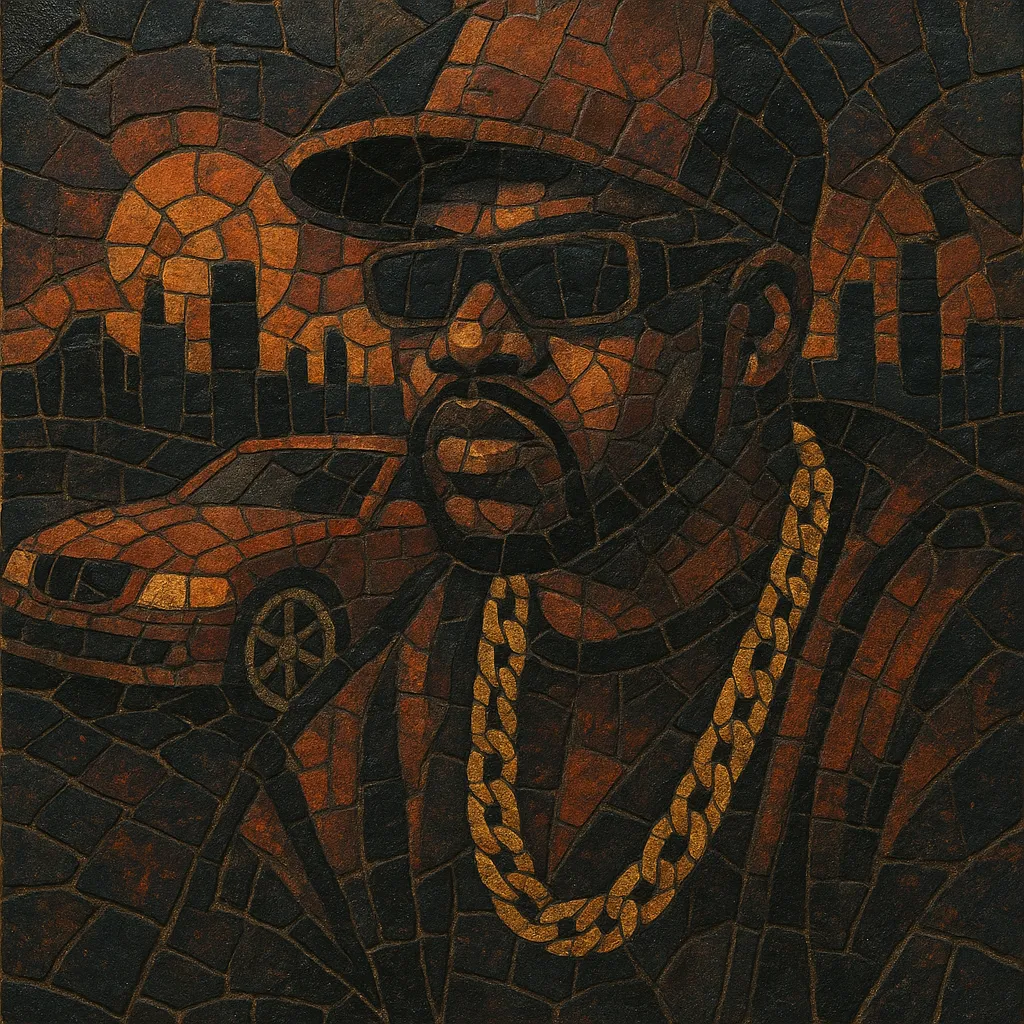
Dirty South is a regional style of hip hop from the American South defined by heavy 808 bass, swaggering grooves, and gritty storytelling delivered with Southern cadence and slang.
Sonically, it blends booming low-end, snappy claps/snares, rolling hi-hats, and minor-key synths or soul/blues samples. The mood ranges from menacing and nocturnal to triumphant and club-ready, with hooks that are chantable and often call-and-response oriented.
Lyrically, the genre foregrounds street realities, hustling, regional pride, car culture, nightlife, spirituality, and survival. It embraces local production aesthetics such as Miami bass’s sub-pressure, New Orleans bounce’s party energy, Memphis’s dark lo-fi menace, and Houston’s chopped-and-screwed slow-motion vibe.
History
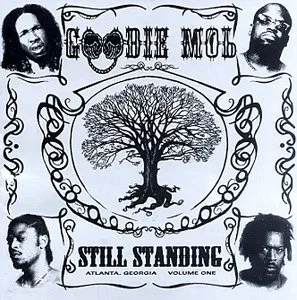
Dirty South took shape as the Southern branch of hip hop forged its own identity apart from the East and West Coasts. Early foundations included the Geto Boys and Scarface in Houston, bass-heavy party records from Miami, and New Orleans bounce. The phrase “Dirty South” was popularized by Goodie Mob’s 1995 song of the same name, signaling a confident, gritty Southern worldview.
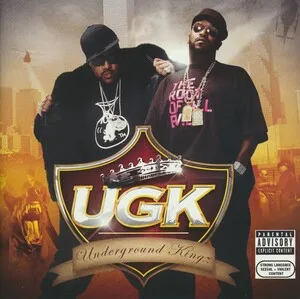
OutKast, UGK, Eightball & MJG, and Goodie Mob brought lyrical depth and distinctive production, while Master P’s No Limit and Cash Money Records turned Southern street aesthetics into national movements. The sound emphasized 808s, drawling flows, and regional narratives—expanding hip hop’s stylistic and geographic center.
Crunk exploded out of Atlanta with chant-heavy club anthems, while Memphis’s eerie underground tapes informed the darker edge of Southern production. Artists like T.I., Ludacris, and Lil Wayne carried the style into chart dominance. Houston’s chopped-and-screwed approach amplified the South’s bass-driven, syrupy feel.
Dirty South’s bass-weight, minimalism, and hook-forward writing directly informed trap’s global rise. The scene also seeded snap music and later the phonk revival. Today, its low-end design, cadence, and songwriting DNA permeate mainstream hip hop, pop, EDM trap, and internet-born microgenres.