Your digging level

For this genre
0/8
🏆
Sign in, then listen to this genre to level up

Description

DMV rap is hip hop from the Washington, D.C.–Maryland–Virginia region distinguished by a clipped, deadpan "punch‑in" delivery, nimble internal rhymes, and hard, minimalist trap production.

Beats tend to be fast and skeletal—808s, tight snares, and rattling hi‑hats under eerie, bell or synth motifs—leaving space for bar‑by‑bar punch‑ins, ad‑libs, and quotable one‑liners. Lyrically it mixes gritty street reportage with hyperlocal references (PG County, Southeast D.C., NoVA, Metro lines) and distinct regional slang, while its crowd‑moving energy traces back to D.C.’s go‑go "crank" ethos.



Sources: Spotify, Wikipedia, Discogs, RYM, MB, user feedback and other online sources

History

Origins (late 2000s–early 2010s)

Washington, D.C. already had nationally visible voices (e.g., Wale) who bridged backpack rap and the city’s go‑go pulse. As regional studio ecosystems in Prince George’s County (MD) and Southeast D.C. grew, a grittier, more minimal trap aesthetic began to cohere—carrying go‑go’s crowd energy but swapping live congas and cowbells for sub‑heavy 808s.

Defining a sound (mid–late 2010s)

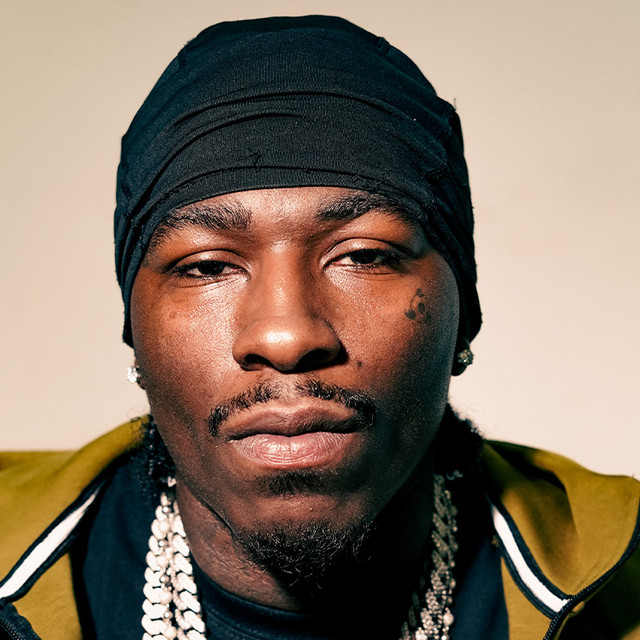
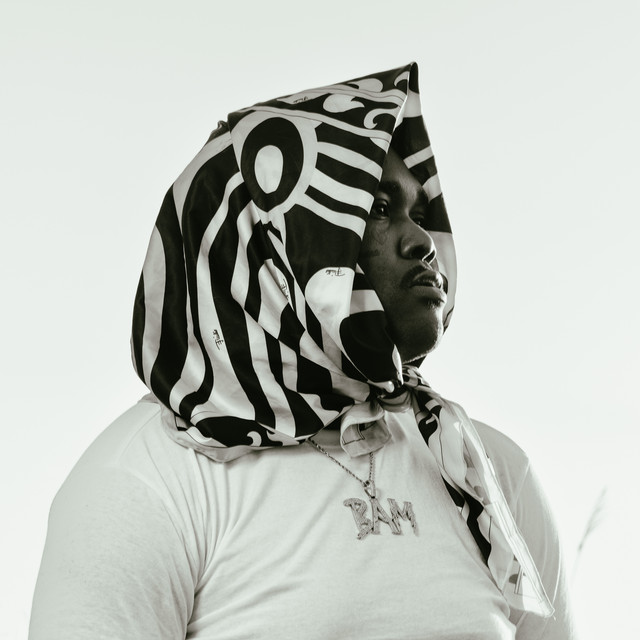
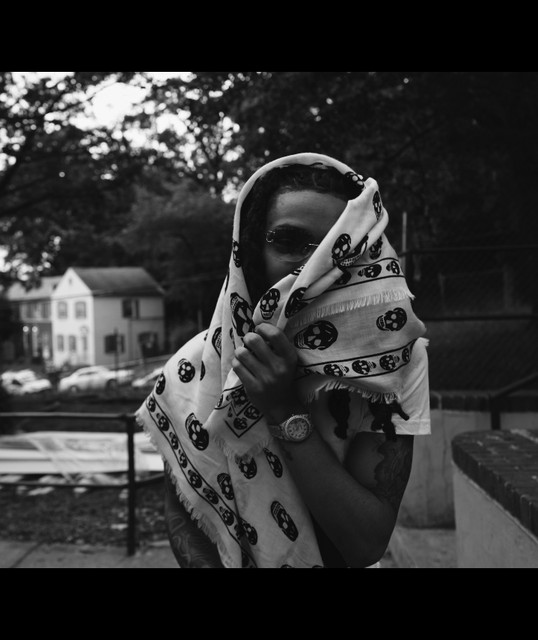
The "DMV flow" solidified around the mid‑2010s: fast, bar‑by‑bar punch‑ins; monotone or lightly menacing delivery; dense internal rhymes; and beats that feel airless and cold. Local scenes in PG County and neighboring corridors produced distinctive producers and engineers whose drum choices (short 808 tails, cracking snares, very dry vocals) became calling cards. Artists like Shy Glizzy, Fat Trel, Rico Nasty, IDK, GoldLink, Q Da Fool, and later Goonew, Xanman, and Lil Dude projected the regional cadence beyond the Beltway.

Breakout and algorithmic era (2020s)

Short‑form platforms amplified the DMV’s punch‑in style: its stark beats and quotables translate cleanly to viral snippets. The region’s sound diversified—from icy, minor‑key trap and whispery, almost anti‑flow deliveries to brighter, pluggnb‑leaning palettes—while retaining hallmark minimalism and rhythmic urgency. The result is both a local identity and an exportable micro‑grammar of modern trap.

Scene infrastructure

DIY studios across suburban Maryland and D.C., college circuits in the broader Mid‑Atlantic, and a steady pipeline of videographers, producers, and engineers sustained the scene. The area’s proximity to national media and touring routes helped DMV rap become a recognizable lane within contemporary U.S. hip hop.

How to make a track in this genre

Tempo, groove, and drums
•   Aim for 130–160 BPM (common sweet spot ~140–150) with a straight, driving grid. •   Use tight 808s (short to medium decay), a cracking trap snare or rim, and sparse claps. Keep the kick pattern simple, letting the 808 carry low‑end movement. •   Program hi‑hats with quick 1/16 notes, bursts of 1/32 rolls, and occasional triplet stutters. Leave strategic silence—DMV beats breathe.
Harmony and melody
•   Favor minor keys; keep motifs minimal (bells, plucked synths, glassy pads, or detuned leads). Two to four bars of motif is often enough. •   Use eerie intervals (minor 2nds, tritones) or simple pentatonic fragments to create a cold, vacant feel.
Sound design and space
•   Dry, forward vocals; minimal reverb/delay. Light slap delay on ad‑libs only. •   Hard clip or brick‑limit the 808 and drum bus to add grit. Keep the mix uncluttered so the rapper can punch through.
Vocal approach (the DMV flow)
•   Record in punch‑ins: deliver one to two bars at a time, cutting tight edits so each bar lands like a jab. •   Use a calm, deadpan or slightly menacing tone; project confidence through timing and word choice rather than melody. •   Layer ad‑libs sparingly (panned, call‑and‑response), and keep doubles tight and quiet.
Writing and content
•   Build verses around internal rhymes, short setups and payoffs, and quotable bar‑ends. •   Reference hyperlocal details (neighborhoods, routes, teams) and everyday street economies; keep descriptions concrete and unembellished.
Arrangement
•   8‑bar intro (motif + tag), 16–24 bar verse, short hook (often a repeated phrase), second verse, quick outro. Hooks can be understated—sometimes just a sticky one‑liner.
Production checklist
•   Drum bus: transient shaper + soft clip. •   Vox chain: fast attack compression, light saturation, de‑esser, subtle EQ dip around 250–400 Hz; keep reverb nearly dry. •   Leave headroom; prioritize punch and intelligibility over lushness.

Main artists

Top tracks

Locked
Share your favorite track to unlock other users’ top tracks

Upcoming concerts

in this genre
Influenced by
Has influenced

Download our mobile app

Get the Melodigging app and start digging for new genres on the go
© 2026 Melodigging
Melodding was created as a tribute to Every Noise at Once, which inspired us to help curious minds keep digging into music's ever-evolving genres.
Buy me a coffee for Melodigging