Your digging level

For this genre
0/8
🏆
Sign in, then listen to this genre to level up

Description

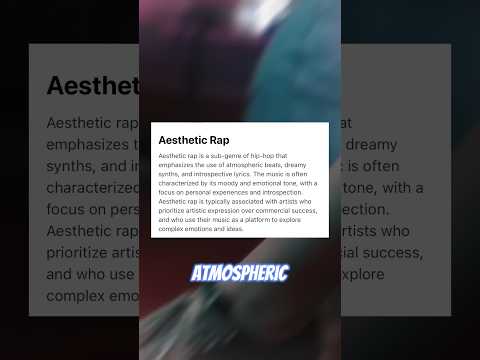
Aesthetic rap is a loosely defined, internet-native strain of hip hop that prioritizes vibe, mood, and visual identity as much as lyrical complexity.

It commonly features glossy or hazy production (dreamy pads, detuned keys, airy leads, muted 808s, and filtered drums), with vocal delivery that leans melodic, deadpan, or softly emotive.

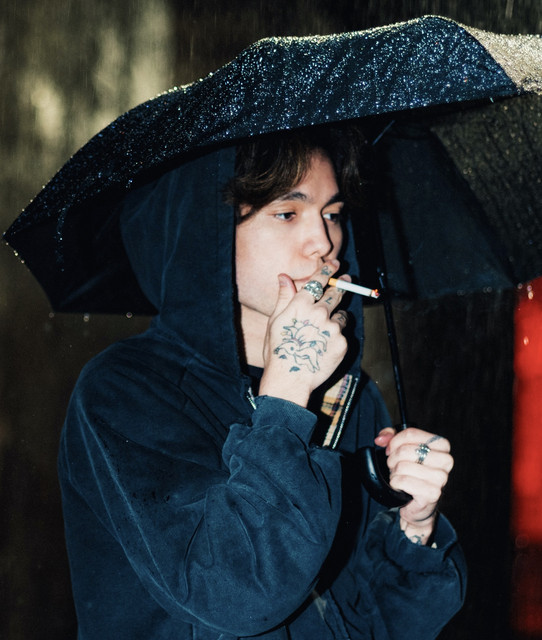
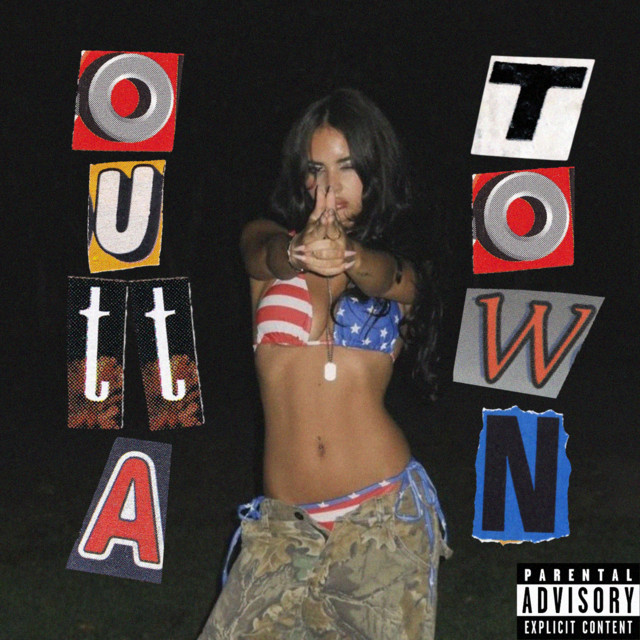
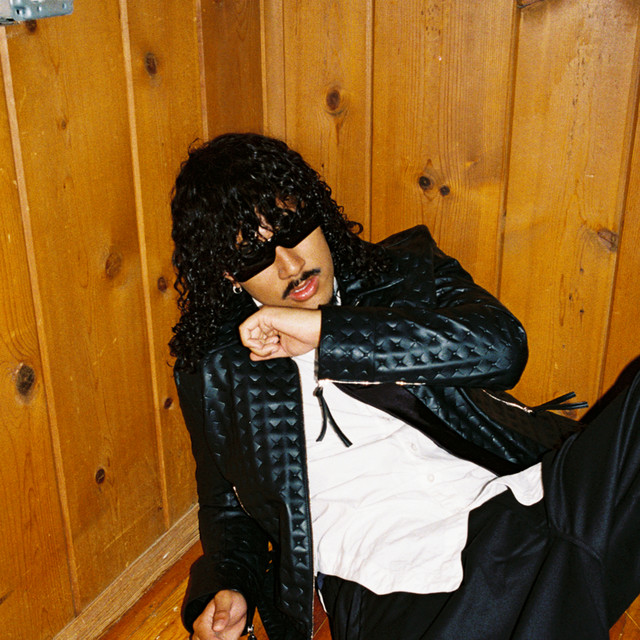
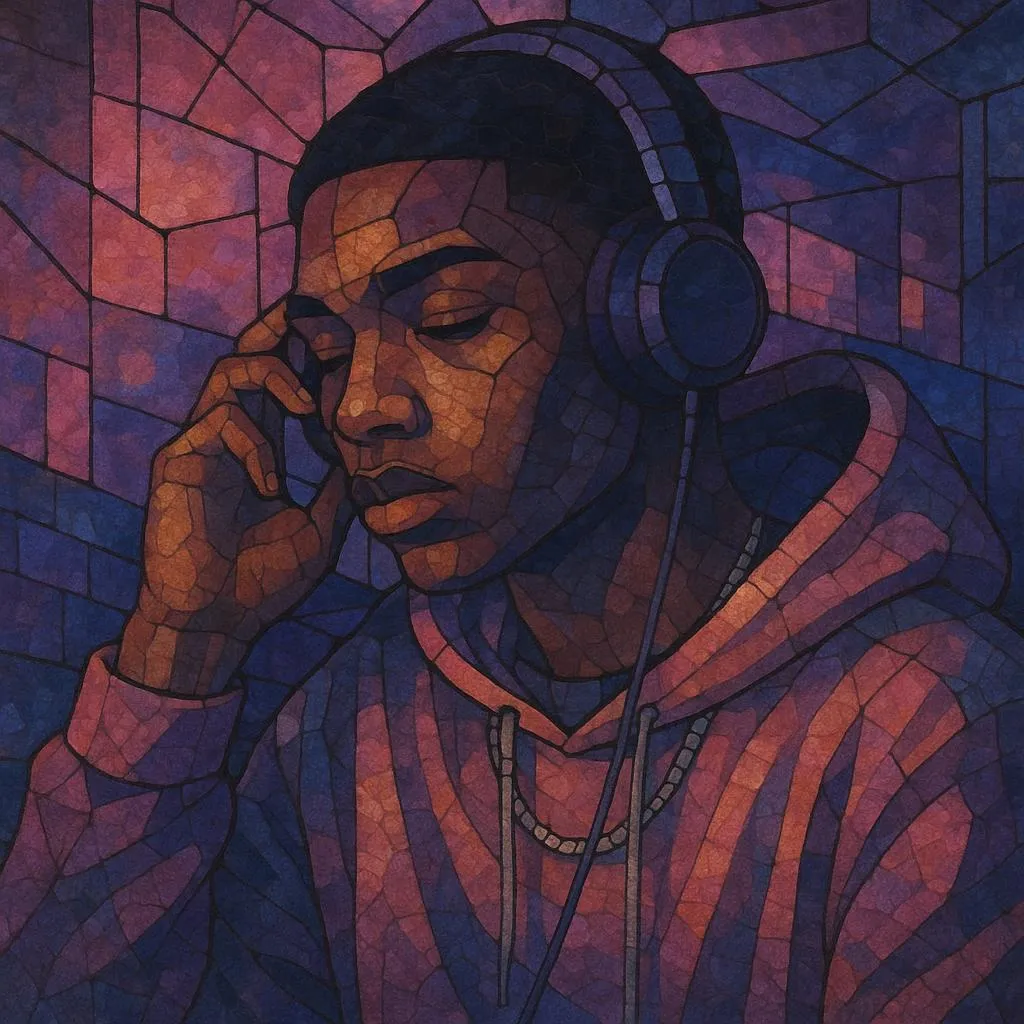
The “aesthetic” aspect is expressed through cohesive styling and atmosphere: curated cover art, short-form video culture, fashion cues, and a feeling of curated intimacy. Themes often include longing, self-image, nightlife, digital life, and melancholic romance, delivered with simple, catchy phrasing and strong hooks.


Sources: Spotify, Wikipedia, Discogs, RYM, MB, user feedback and other online sources

History

Overview

Aesthetic rap coalesced in the 2010s as rap consumption and discovery shifted toward platforms where music, visuals, and micro-communities were tightly linked.

2010s: Internet micro-scenes and “vibe-first” rap

Producers and artists blended trap drum programming with cloud rap’s dreamy textures, lo-fi filtering, and vaporwave-inspired nostalgia.

The genre identity was less about strict musical rules and more about a recognizable mood + presentation that traveled well through playlists, edits, and short clips.

Late 2010s–2020s: Short-form video and hyper-aesthetic branding

As music discovery accelerated through short-form video and algorithmic feeds, “aesthetic” signifiers (mix choices, vocal tone, cover art, fashion language, and snippet-friendly hooks) became central.

Subcurrents intersected with emo rap, hyperpop-adjacent pop-rap, and meme-native internet rap, widening the sound palette while keeping the vibe-driven core.

Today

Aesthetic rap remains a flexible umbrella: it can be bright and bouncy or dark and melancholic, but it typically keeps a polished-yet-hazy atmosphere and a strong visual/identity component.

How to make a track in this genre

Sound palette & instrumentation
•   Drums: Start with trap fundamentals (808 kick, snare/clap on 2 & 4, tight hats). Use softer transients and short decays for a “clean-hazy” feel. •   808/bass: Keep the 808 present but not overly aggressive; choose rounder samples, mild saturation, and controlled sub (sidechain lightly to the kick). •   Harmony layers: Use dreamy pads, filtered keys, detuned plucks, bell-like synths, and reverb-heavy textures. Lo-fi chorusing and gentle tape warble are common. •   Ear candy: Add subtle vocal chops, reverse swells, glitchy fills, risers, and short ambient samples to enhance atmosphere.
Rhythm & tempo
•   Typical tempos range from 120–160 BPM (often in half-time feel). •   Use swinged hi-hats and small variations (rolls, triplets, stutters) but keep the groove simple enough for hook clarity. •   Consider “bounce-light” percussion (rim clicks, snaps, soft percs) to maintain a sleek vibe.
Harmony & melody
•   Favor minor keys, modal colors (Dorian/Aeolian), and simple progressions (2–4 chords) that loop smoothly. •   Melodic hooks matter: write a short top-line or synth motif that is instantly recognizable. •   Try extended chords (add9, m9, sus2) for a more ethereal, aesthetic tone.
Vocals & writing approach
•   Delivery: Mix rap with melodic phrasing; keep a consistent tone (cool, detached, intimate, or emotive). •   Lyrics: Use concise lines with strong imagery (nightlife, isolation, digital identity, romance, confidence). Repetition is acceptable if it reinforces the mood. •   Hooks: Build a hook that works as a 10–20 second “moment” (catchy, quotable, visually suggestive).
Mixing & ambience (key to the “aesthetic”)
•   Use reverb and delay to create space, but manage mud with high-pass filtering on effects returns. •   Gently roll off highs or use a soft shelf to avoid harshness; keep vocals forward with tasteful saturation. •   Master for streaming loudness, but preserve some dynamics so the track feels “glossy” rather than crushed.
Visual identity (part of the genre’s practice)
•   Create a consistent cover-art style and color palette. •   Design the arrangement with “snippet moments” (drop, hook, or beat switch) that translate well into short video formats.

Top tracks

Locked
Share your favorite track to unlock other users’ top tracks

Upcoming concerts

in this genre
Influenced by
Has influenced

Download our mobile app

Get the Melodigging app and start digging for new genres on the go
© 2026 Melodigging
Melodding was created as a tribute to Every Noise at Once, which inspired us to help curious minds keep digging into music's ever-evolving genres.
Buy me a coffee for Melodigging