Your digging level
Description
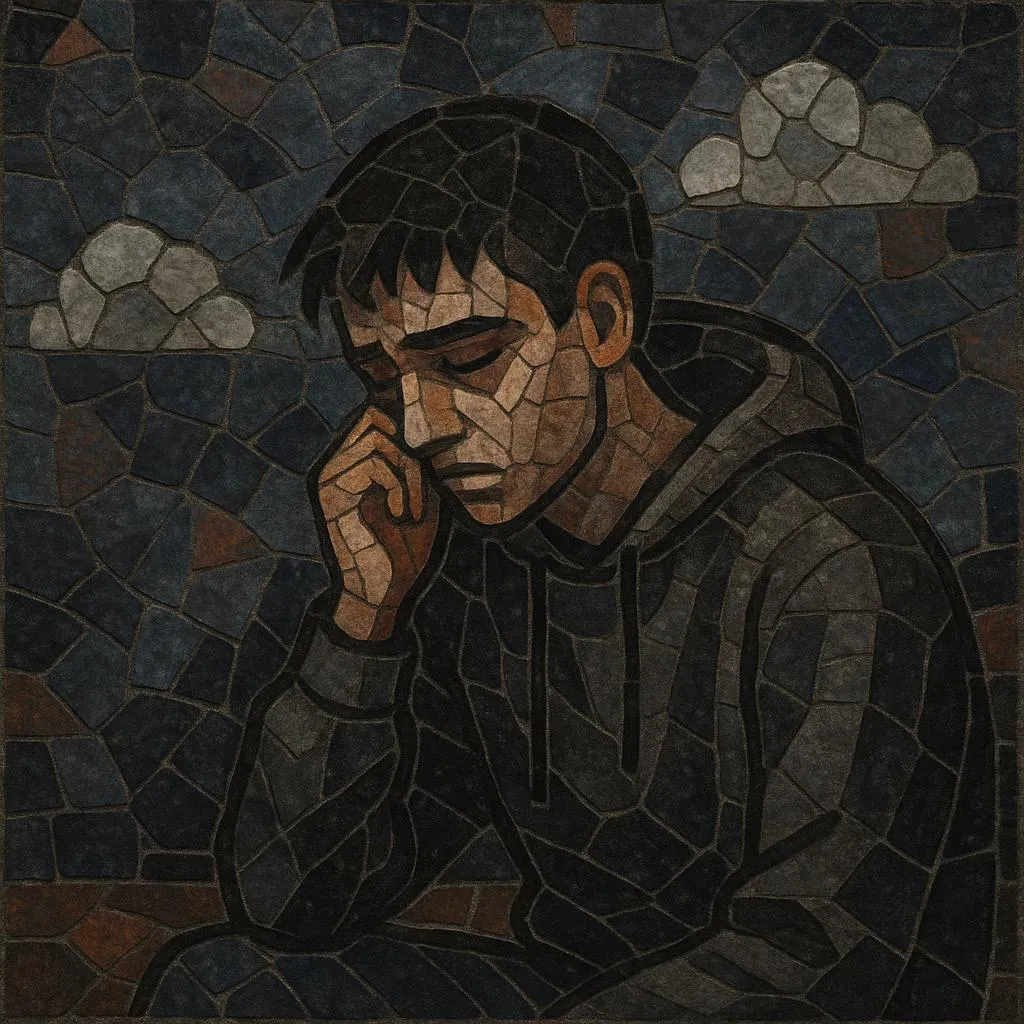
Sad rap is a style of hip hop defined by emotionally vulnerable lyrics and a melancholic musical backdrop.
It commonly pairs confessional themes—heartbreak, depression, loneliness, self-doubt, addiction, grief, and numbness—with sparse, minor-key production.
Vocals often alternate between rapped verses and melodic or half-sung hooks, with an intimate delivery that emphasizes personal storytelling over bravado.
The sound frequently overlaps with emo rap and trap, using slow-to-mid tempos, heavy 808s, soft synth pads, piano or guitar loops, and reverbed textures that create a downcast atmosphere.

History
Sad rap emerged prominently in the 2010s as hip hop’s lyrical focus expanded toward vulnerability and mental-health narratives.
It drew from earlier introspective rap traditions, while adopting trap-era drum programming and a more melodic vocal approach.
Platforms like SoundCloud enabled a fast-moving ecosystem where artists blended rap with emo, alternative rock, and pop songwriting.
This accelerated the popularity of melancholic hooks, lo-fi aesthetics, and diary-like lyricism that became central to sad rap.
By the late 2010s, the “sad rap” label became a common listener descriptor and playlist category.
The style broadened to include both minimalist, gloomy trap-influenced beats and pop-leaning rap songs centered on heartbreak and self-reflection.
Sad rap continues to evolve through collaborations with pop, alternative, and electronic producers, and through new micro-trends like slowed-and-reverb presentation and mood-driven streaming curation.
Use slow-to-mid tempos (often around 65–85 BPM, or double-time feel around 130–170 BPM).
Program trap-style drums with rolling hi-hats, restrained snares/claps, and 808s that support the vocal emotion rather than dominating the mix.
Write in minor keys and lean on simple progressions (for example i–VI–III–VII or i–VII–VI) to keep the focus on the story.
Use repeating motifs on piano, soft synth pads, or a clean/processed guitar loop; add reverb and delay to create space and loneliness.
Choose an 808 that can either sustain with gentle pitch slides or hit sparsely for dramatic emphasis.
Layer subtle textures (vinyl noise, airy ambience, distant vocal pads) to enhance intimacy without clutter.
Deliver verses conversationally with clear emotion; allow small imperfections, breaths, and vocal cracks if they serve authenticity.
Alternate rapped verses with melodic hooks; double the hook with harmonies or octave layers for a pleading, vulnerable feel.
Write in first person and prioritize specificity: small details and honest admissions often resonate more than general sadness.
Common structures include: a narrative verse (what happened), a self-reflective verse (why it hurts), and a hook that distills the central feeling.
Avoid exaggerated toughness; the emotional arc should feel credible and personal.
Keep arrangements minimal in verses and expand in hooks with extra harmony layers, wider pads, or additional percussion.
Use breakdowns or beat drops to spotlight key lines, and end with unresolved or fading elements to maintain the melancholic mood.
Keep vocals upfront, warm, and present; use controlled saturation and gentle compression.
Tame harsh highs, keep low end clean, and use reverb/delay to create depth while preserving intelligibility.