Your digging level
Description
Shib is an internet-born microgenre that blends lo‑fi hip hop, cloud rap, and alt‑R&B sensibilities into short, emotionally direct songs. It favors intimate vocals (sung, whispered, or half‑rapped), warm and dusty textures, and compact forms optimized for streaming and social media discovery.
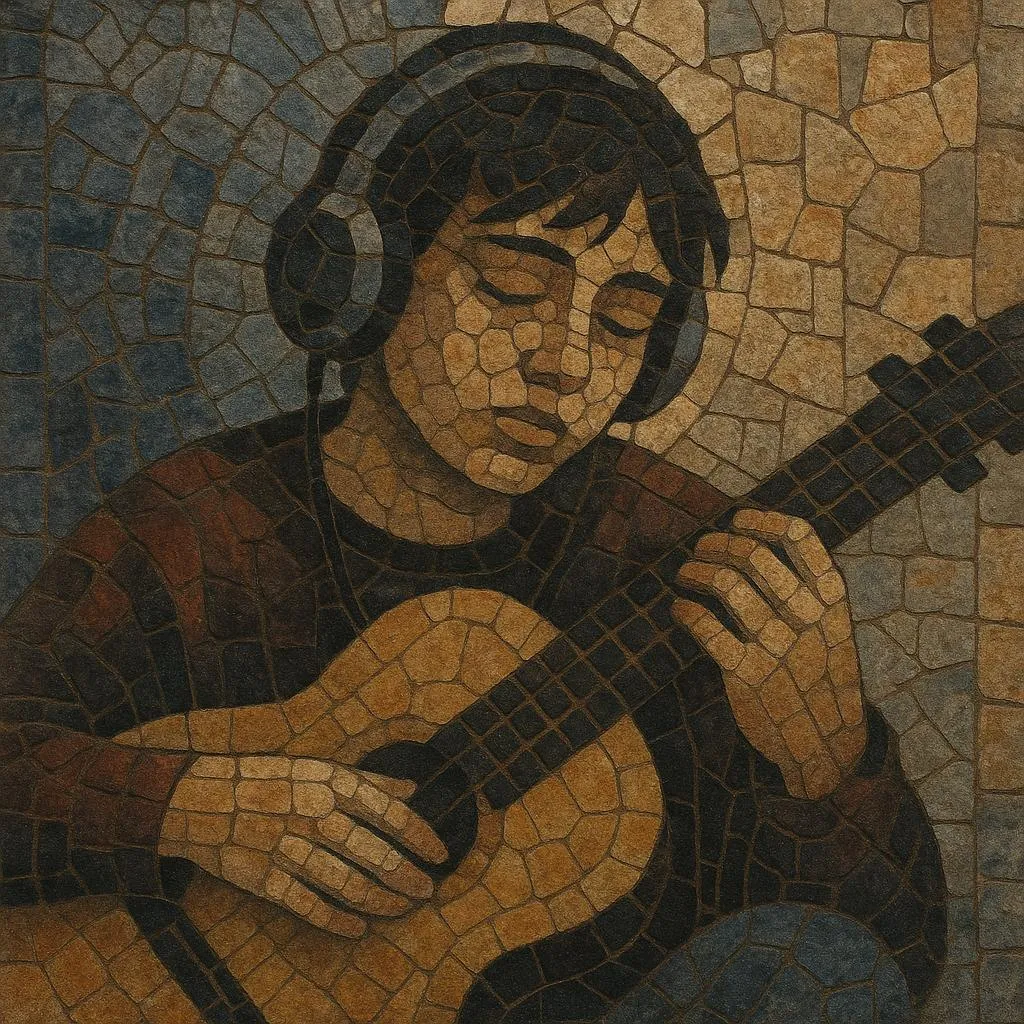
Typical productions feature looped guitar or piano motifs, soft trap drums, vinyl crackle or room noise, and reverbs/delays that create a late‑night, confessional atmosphere. Lyrically, shib gravitates toward nostalgia, heartbreak, and private reflection—music made to sound like messages recorded in a bedroom at 2 a.m.
History
Shib took shape on platforms like SoundCloud and Spotify in the mid–late 2010s, when a wave of DIY producers fused lo‑fi hip hop’s warm, loop‑driven instrumentals with cloud rap’s airy ambience and the intimate vocal delivery of alternative R&B. The aesthetics and viral sampling culture surrounding lo‑fi internet scenes (including the widespread use of whispered, melancholic vocal snippets) set the emotional template.
As editorial and user‑curated playlists for “sad chill,” “late‑night,” and “lo‑fi + vocals” proliferated, the sound coalesced: compact songs (often 1:30–2:30), subdued trap grooves, and hooks that land quickly. TikTok and short‑form video further rewarded concise, quotable lines and instantly recognizable loops.
Today shib exists as a fluid, cross‑platform style: bedroom singer‑producers trade stems, release frequent singles, and collaborate remotely. Its signature intimacy has influenced adjacent micro‑scenes of emo‑leaning rap, bedroom R&B, and “sad pop,” while remaining rooted in the lo‑fi, loop‑centric approach that defined its emergence.