Your digging level

For this genre
0/8
🏆
Sign in, then listen to this genre to level up

Description

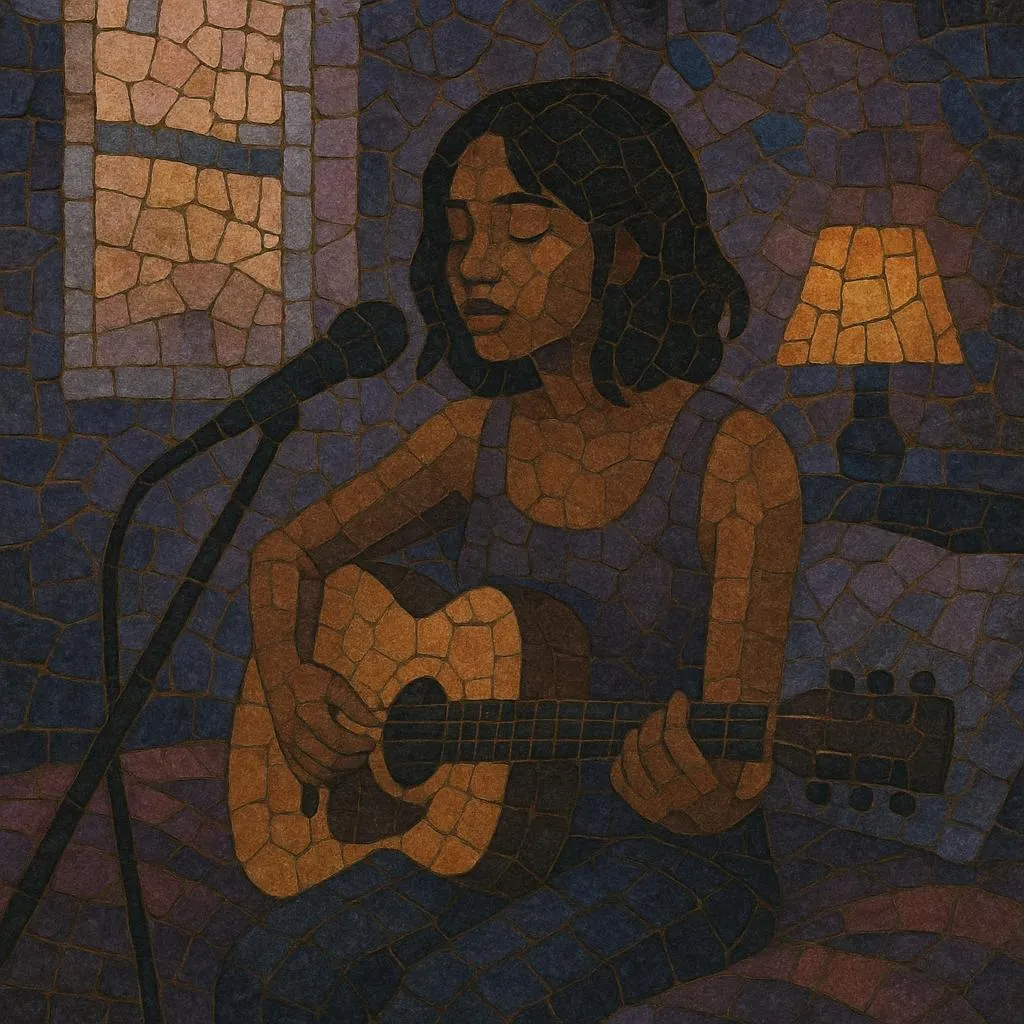
Bedroom R&B is a strand of contemporary R&B defined by intimate, DIY production, soft vocals, and lo‑fi aesthetics. It blends the emotional directness and melismatic phrasing of R&B and neo‑soul with the hushed, home‑recorded vibe of bedroom pop and lo‑fi hip hop.

Typically built on subdued drum machines, warm synth pads or jazzy guitar, and close‑miked vocals drenched in reverb, the sound favors softness over sheen. Lyrics center on late‑night confessions, relationships, vulnerability, and self‑reflection, often delivered in short songs that feel like sketches or voice‑notes.

The genre flourished on Bandcamp, SoundCloud, and later TikTok/streaming playlists, where lowered barriers to entry let artists self‑produce with laptops, interfaces, and inexpensive mics. The result is a tender, nocturnal palette that feels personal, unguarded, and modern.


Sources: Spotify, Wikipedia, Discogs, RYM, MB, user feedback and other online sources

History

Origins (early–mid 2010s)

Bedroom R&B emerged alongside the broader bedroom pop wave and the rise of alternative R&B. Affordable home‑studio gear, DAWs, and platforms like Bandcamp and SoundCloud enabled singers and producers to write, record, and mix at home. Early alternative R&B figures and mixtape culture (e.g., the post‑blog era) normalized moodier, less radio‑polished approaches, while lo‑fi hip hop’s textures (tape hiss, soft saturation, gentle sidechain) shaped the genre’s sonic bed.

Aesthetic consolidation (late 2010s)

By the late 2010s, a recognizable sound coalesced: close, breathy vocals; sparse 808s and lazy swing; jazz‑leaning seventh/ninth chords on guitar or keys; and intimate, confessional lyrics. Social distribution (playlisting, algorithmic discovery) rewarded mellow, late‑night tracks, pushing the sound into R&B and indie spaces alike. DIY artists used iPhones or small interfaces, turning limitations into signatures (room tone, clipped transients, gentle noise floors).

Diffusion and hybridization (2020s)

In the 2020s, TikTok, YouTube, and editorial playlists amplified Bedroom R&B’s reach, while cross‑pollination with indie, trap‑soul, and lo‑fi scenes broadened its palette. International scenes (K‑R&B, J‑R&B) adopted the low‑key, home‑crafted feel; bilingual and genre‑fluid artists blurred lines with indie pop, neo‑soul, and chillwave. Despite more professional tools, many releases retain the genre’s hallmark intimacy and restraint.

Cultural footprint

Bedroom R&B reframed R&B as a space for micro‑storytelling—private feelings over virtuoso display—helping define a streaming‑era, headphone‑first listening culture. It also encouraged a new class of self‑producing singer‑instrumentalists whose demos and finished songs live side by side.

How to make a track in this genre

Core instrumentation and sound
•   Use a minimal rhythm bed: soft 808 kicks, gentle snares/claps, and swung hi‑hats; tempos commonly 60–90 BPM. •   Build harmony with warm electric piano (Rhodes‑style), lush pads, or clean/jazzy guitar; lean on 7ths, 9ths, and suspended chords. •   Favor intimate recording: close‑miked vocals, low monitoring levels, and subtle room tone. Embrace tasteful saturation, tape hiss, and light noise as texture rather than flaws.
Harmony, melody, and vocals
•   Combine R&B melisma with understated delivery; stack airy harmonies and doubles/panned ad‑libs. •   Write progressions that cycle (loop‑friendly), using borrowed chords or chromatic voice‑leading for color. •   Keep melodies memorable but low‑intensity; let phrasing breathe and leave space between lines.
Arrangement and mixing
•   Start with a loop (drums + keys/guitar), then add sparse bass, counter‑melodies (plucked guitar, synth lead), and background pads. •   Mix for headphones: soft highs, warm mids, and controlled lows. Use gentle compression, light sidechain to the kick, and plate/room reverbs with short to medium decays. •   Automate reverb/delay throws on key words for emotional emphasis; avoid over‑quantizing to keep a human feel.
Lyrics and themes
•   Focus on intimacy, late‑night introspection, relationships, and emotional nuance. First‑person, diary‑like lines fit well. •   Keep songs concise (2–3 minutes) with simple structures (verse–hook–verse/bridge). Hooks can be textural (vocal stacks) as much as lyrical.
Workflow tips
•   A laptop DAW (Ableton/Logic/FL), a small interface, an affordable condenser mic, and a guitar/keyboard are enough. •   Print vibe early: pick a palette (drum kit, one keys patch, one guitar tone), commit to it, and arrange around the vocal. •   Reference lo‑fi hip hop for drum textures and alternative R&B for harmonic language, but keep the mix hushed and personal.

Top tracks

Locked
Share your favorite track to unlock other users’ top tracks

Related labels

Upcoming concerts

in this genre
Influenced by

Download our mobile app

Get the Melodigging app and start digging for new genres on the go
© 2026 Melodigging
Melodding was created as a tribute to Every Noise at Once, which inspired us to help curious minds keep digging into music's ever-evolving genres.
Buy me a coffee for Melodigging