Your digging level
Description
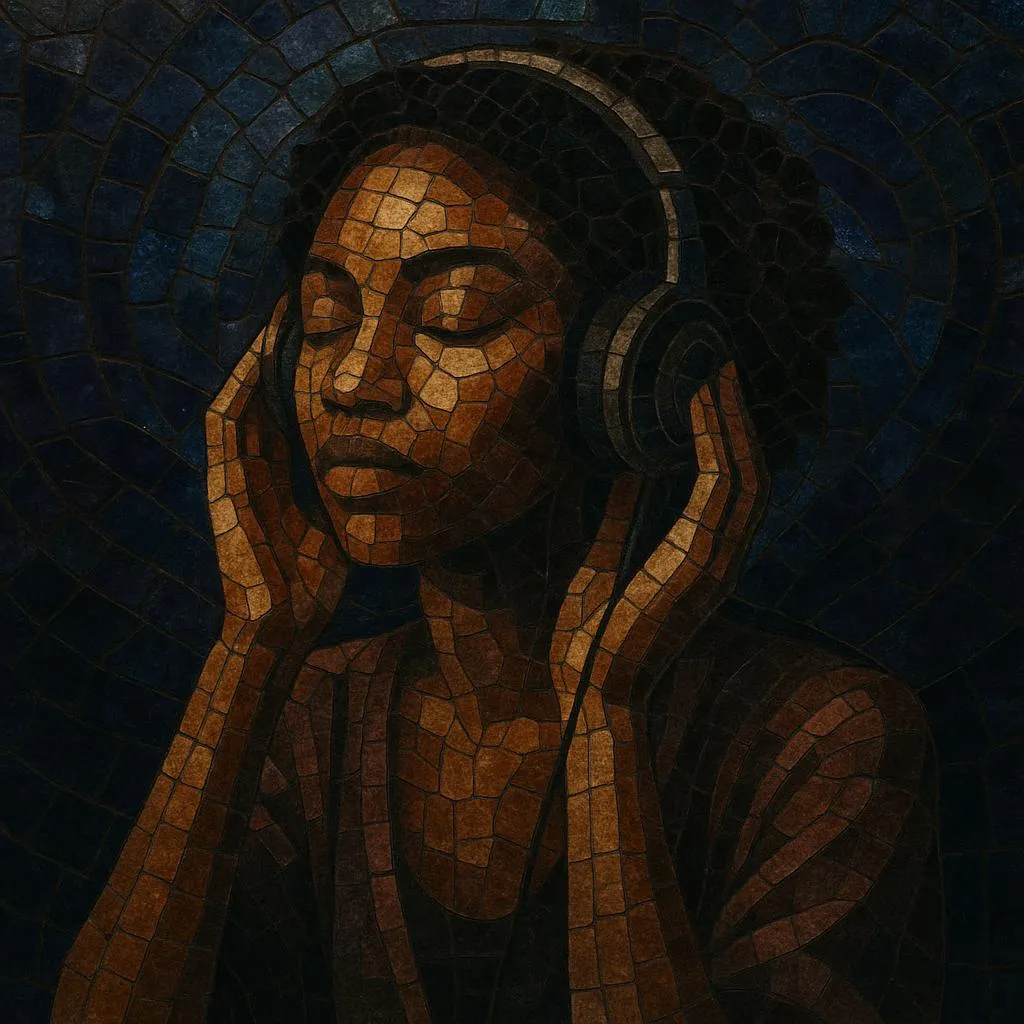
Deep R&B is a streaming‑era microgenre of contemporary R&B characterized by intimate, atmospheric production, slow to mid‑tempo grooves, and emotionally candid vocals. Producers favor spacious mixes with warm low‑end (808s or sub‑bass), hushed drum programming, and reverb‑washed pads or guitar, creating a late‑night, immersive feel.
Aesthetically it sits at the intersection of alternative R&B and the moody, minimalist “Toronto sound” that rose in the early 2010s, blending R&B songwriting with hip‑hop, ambient and electronic textures, and occasional trap soul cadences. Lyrically it leans toward introspection, romance, and vulnerability, often delivered in close‑miked, breathy tones or falsetto.
History
Neo‑soul’s emphasis on organic groove, jazz harmony, and inward‑looking lyricism in the late 1990s provided key aesthetic roots later folded into alternative and Deep R&B. Landmark releases by artists like Erykah Badu and peers reframed R&B as a space for experimentation and reflective storytelling.
Writers began using “alternative R&B”/“PBR&B” for artists who fused contemporary R&B with indie/electronic and hip‑hop sensibilities. Early‑2010s releases by Frank Ocean, The Weeknd, Drake and others codified a darker, more spacious palette—an antecedent to what platforms later surfaced as “deep” R&B.
Concurrently, Toronto’s scene (OVO/XO) popularized a hush‑toned, reverb‑heavy R&B/hip‑hop hybrid—slow, atmospheric, and emotionally confessional—that spread globally and became a template for much of Deep R&B’s sonic language. The Weeknd’s 2011 mixtapes are frequently cited as touchstones for this sound.
As streaming discovery normalized micro‑tags, “deep” R&B crystallized around nocturnal, intimate tracks and artists working between alt‑R&B and trap‑soul. Its aesthetics fed into—and were cross‑pollinated by—trap‑soul and bedroom‑recorded R&B, while major‑label pop also absorbed its minimalist textures.