Your digging level
Description
Contemporary R&B is a popular music genre that evolved from rhythm and blues and soul in the late 1970s, largely among African‑American musicians. It blends traditional R&B vocal stylings with elements of pop, funk, hip hop, and electronic music.
The style is marked by soulful, passionate and often melismatic lead vocals; lush, smooth, frequently synthesized production; and a groove-first sensibility that can range from slow jams to club‑ready mid‑tempos. Since the 2010s, the incorporation of pop and electronic textures and production techniques has driven strands like electro‑R&B and helped expand the sound on global charts.


History
Contemporary R&B emerged as a modernized continuation of classic R&B and soul as the 1970s closed, inheriting gospel‑influenced vocal techniques and the romantic focus of quiet storm while absorbing the polish of disco, funk rhythm sections, and increasingly sophisticated studio production.
In the 1980s, drum machines, synthesizers, and glossy studio methods became central. Crossover stars helped codify a sleek R&B/pop hybrid, defining contemporary R&B’s balance of radio‑friendly hooks with soulful delivery. This decade also nurtured the rise of new jack swing, whose swing‑time drum programming and hip‑hop attitude fed back into mainstream R&B.
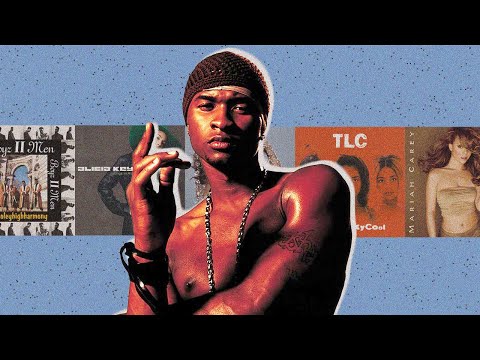
The 1990s brought hip‑hop’s textures and rhythms into the R&B mainstream (hip hop soul), while vocal groups and powerhouse soloists pushed melisma, stacked harmonies, and dramatic bridges to the fore. The era solidified the genre’s song forms (verse–pre‑chorus–chorus with a late bridge) and its blend of tender slow jams and dance‑floor mid‑tempos.
Hitmaking writer‑producers paired velvety vocals with tight, hook‑driven arrangements and 808‑anchored grooves. Contemporary R&B became a global pop lingua franca, yielding platinum ballads and club singles alike while refining digital vocal production (tuned stacks, airy ad‑libs) and sub‑heavy low end.
The 2010s amplified electronic and indie aesthetics—ambient pads, atmospheric reverb, trap‑leaning drums—fueling electro‑R&B and alternative R&B. Streaming culture widened the palette from glossy chart pop to intimate, minimalist, and genre‑fluid experiments, while the core remains: emotive vocals over smooth, groove‑centered production.