Your digging level
Description
Hip hop soul fuses the vocal traditions of soul and contemporary R&B with the production aesthetics and rhythms of hip hop. It typically features emotive, melismatic singing over boom‑bap or sample-driven beats, with frequent rap features and remix culture bridging R&B hooks and MC verses.
Compared with new jack swing’s brighter, digitized swingbeat, hip hop soul adopts grittier drum textures, deeper bass, and loop-based arrangements drawn from crate-digging or programmed on samplers. Lyrically it centers on love, heartbreak, resilience, and urban life, often delivered with an assertive, streetwise attitude that mirrors hip hop’s aesthetics.
The style reached mainstream prominence in the 1990s through artists like Mary J. Blige, Aaliyah, TLC, and Faith Evans, and set the template for much of late-1990s and 2000s R&B.


History
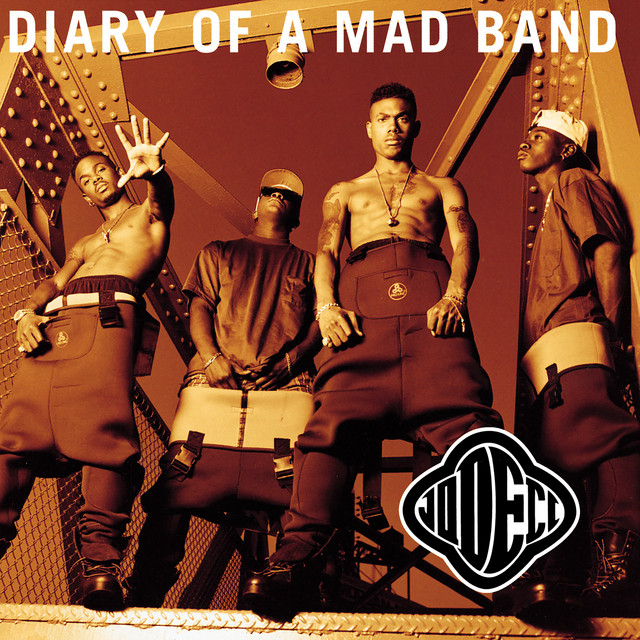
Hip hop soul emerged as a bridge between new jack swing and the harder-edged boom‑bap of early 1990s hip hop. At Uptown Records, Sean “Puffy” Combs helped shape the formula: soulful R&B vocals over hip hop drum programming and sample loops. Mary J. Blige’s debut, “What’s the 411?” (1992), and Jodeci’s rugged R&B helped codify the sound, positioning singers with a hip hop attitude and aesthetic.
By the mid‑1990s, Bad Boy’s remix culture and radio‑ready production pushed hip hop soul into the mainstream. Mary J. Blige, Faith Evans, TLC, and Aaliyah scored major hits that paired emotive hooks with rap features. Producers like Puffy, Chucky Thompson, Timbaland, and Missy Elliott refined the palette—heavier drums, sub‑bass, sparse keys, and ear-catching samples—while maintaining song-forward structures for pop and R&B audiences.
In the 2000s, artists such as Ashanti, Keyshia Cole, and Monica carried the sound forward, while the broader R&B landscape absorbed its hip hop-first production logic. Hip hop soul’s template paved the way for alternative R&B and later trap soul, where intimate vocals ride modern trap percussion. Its influence remains audible in contemporary R&B worldwide, in collaborative rap/R&B singles, and in the continued prevalence of remix and feature culture.
Aim for 80–100 BPM with a head-nodding, swing-inflected pocket. Program boom‑bap style drums: punchy kick, crisp snare, and tight hi‑hats with subtle swing. Layer light percussion (shakers, claps) and occasional fills to add movement.
Use soulful, diatonic progressions with 7ths/9ths (e.g., i–VI–III–VII in minor, or IV–V–I in major). Keep chord loops concise (4–8 bars) to foreground the vocal. Melodies should be expressive and melismatic in the chorus, more conversational in verses.
Build around a loop: sampled vinyl chords, Rhodes/piano stabs, or a warm pad. Add a deep, round bass line that locks with the kick. Tasteful guitar licks or string lines can add lift in hooks. Use light saturation on drums, gentle tape/console color, and leave space—arrangements should breathe.
Lead vocals are emotive and present, with stacked harmonies and ad‑libs answering lead phrases in the chorus. Themes center on love, heartbreak, empowerment, and urban narratives. Consider a rap feature for a middle‑eight or alternate remix to reinforce the hybrid identity.
Structure typically follows verse–pre–chorus–chorus with a bridge or rap break. Drop elements in verses (e.g., filtered loop, minimal drums) and fully open the chorus with added layers and harmonies. Prioritize vocal clarity, control low‑end with sidechain or EQ carving, and glue the track with bus compression.
MPC/SP‑style sampling workflows, modern DAWs with classic sample packs, and references to 1990s hip hop/R&B drum tones help anchor the feel. Study records by Mary J. Blige, Aaliyah, and Faith Evans to internalize phrasing, ad‑libs, and arrangement pacing.