Your digging level

For this genre
0/8
🏆
Sign in, then listen to this genre to level up

Description

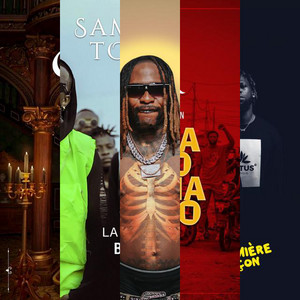
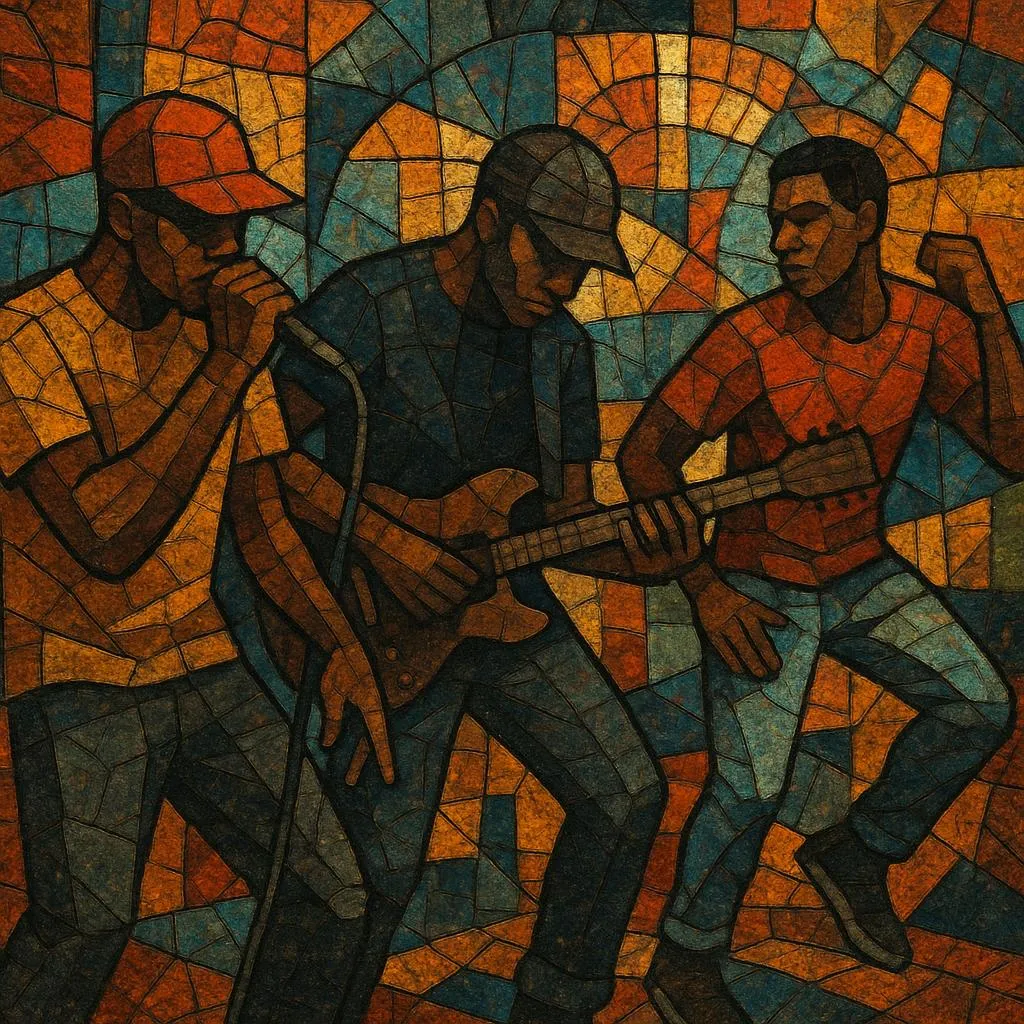
Musique urbaine Kinshasa refers to the contemporary urban sound of Kinshasa, the capital of the Democratic Republic of the Congo. It fuses the city’s foundational Congolese rumba/soukous and ndombolo with hip hop, dancehall, Afrobeats, coupé-décalé, and modern R&B.

Characterized by catchy choral refrains, driving dance grooves, clean polyrhythmic guitar figures (often a modern take on the sebene), sub-heavy programmed drums, and a blend of Lingala, urban French, and street slang, the style is both club-ready and pop-savvy. It retains Kinshasa’s signature flair for showmanship and dance while embracing digital production and global collaboration.

The scene champions both singers and rappers, from rumba/ndombolo stars who pivoted to “urban” aesthetics to a new generation of Kinshasa MCs and beatmakers who localize trap, afro-house, and dancehall in a distinctly Kinois way.


Sources: Spotify, Wikipedia, Discogs, RYM, MB, user feedback and other online sources

History

Foundations (1990s)

Kinshasa’s modern urban sound rests on the bedrock of Congolese rumba and soukous, which evolved into the high-energy ndombolo of the late 1990s. Bands and stars such as Wenge Musica, Koffi Olomide, and JB Mpiana defined a dance-forward, guitar-driven pop that dominated clubs and street parties.

Turn to “urban” (2000s)

As digital production tools spread and diaspora links intensified (notably with Paris and Brussels), Kinshasa artists began folding hip hop, R&B, dancehall, and coupé-décalé into the rumba/ndombolo blueprint. Solo artists emerging from major bands—and new independent singers/rappers—adopted 4/4 club kicks, 808s, and glossy hooks while keeping Lingala lyricism and Congolese guitar ornamentation.

Global crossover and platforms (2010s–2020s)

YouTube, streaming, and pan‑African collaborations accelerated the sound’s reach. Stars like Fally Ipupa updated their repertoire with Afrobeats and urban pop aesthetics; Gaz Mawete and Robinio Mundibu delivered viral singles tailor‑made for dance challenges; Kinshasa rap crews and duos (e.g., MPR) forged a gritty, localized trap/drill identity. Cross-border hits and collabs with Francophone and East/West African artists helped place Kinois urban music squarely in the continental mainstream while preserving its distinct Kinois swagger and dance culture.

Aesthetics and dance culture

Core identifiers include call‑and‑response hooks, sebene-inspired guitar lines adapted to modern tempos, and a premium on dance (from ndombolo roots to new viral choreographies). Lyrics pivot between romance, streetwise boasts, social commentary, and playful wordplay in Lingala and urban French, reflecting Kinshasa’s kinetic street life.

How to make a track in this genre

Rhythmic foundations
•   Start in 4/4 with club-oriented tempos: 95–110 BPM for Afrobeats/R&B vibes; 110–125+ BPM when nodding to ndombolo energy. •   Layer a syncopated kick pattern, crisp snares/claps on 2 and 4, and shakers/shekere/hi-hats in 16ths with off-beat accents. •   Add Congolese guitar-derived rhythmic motifs (a modernized sebene) that interlock with the drums; think bright, clean tones and palm-muted patterns.
Harmony & melody
•   Favor diatonic, ear-catching progressions (I–V–vi–IV variants are common) and short two-bar loops under the verse. •   Use melodic call-and-response between lead vocal and backing group, echoing rumba/ndombolo choruses. •   Ornament melodies with pentatonic/R&B turns and Congolese guitar fills answering vocal phrases.
Lyrics & delivery
•   Write in Lingala (often mixed with urban French and local slang). Themes span romance, bravado, everyday hustle, and social snapshots. •   Alternate sung hooks with rap verses for contrast. Keep choruses concise and anthemic to invite call-and-response in clubs and live shows.
Instrumentation & production
•   Core palette: lead vocal(s), backing choir, electric guitars (clean/chorused), bass (electric or 808), keys/synth stabs, and drum machines. •   Program subby 808s and layered percussion; sprinkle congas/toms for a live feel. •   Use modern Afrobeats/dancehall sound design (plucks, bells, airy pads) but leave space for guitars to shine. •   Arrange a dance “break” or mini‑seben toward the final third to boost energy and choreography.
Song form & arrangement
•   Common flow: Intro (riff/chant) → Verse (rap or sung) → Pre-chorus → Big Chorus → Verse 2 → Chorus → Dance break/bridge (guitar-driven) → Final Chorus/Outro. •   Keep mixes punchy and vocal-forward; automate call‑and‑response stacks in the hook for crowd impact.

Top tracks

Locked
Share your favorite track to unlock other users’ top tracks

Upcoming concerts

in this genre
Influenced by
Has influenced

Download our mobile app

Get the Melodigging app and start digging for new genres on the go
© 2026 Melodigging
Melodding was created as a tribute to Every Noise at Once, which inspired us to help curious minds keep digging into music's ever-evolving genres.
Buy me a coffee for Melodigging