Your digging level

For this genre
0/8
🏆
Sign in, then listen to this genre to level up

Description

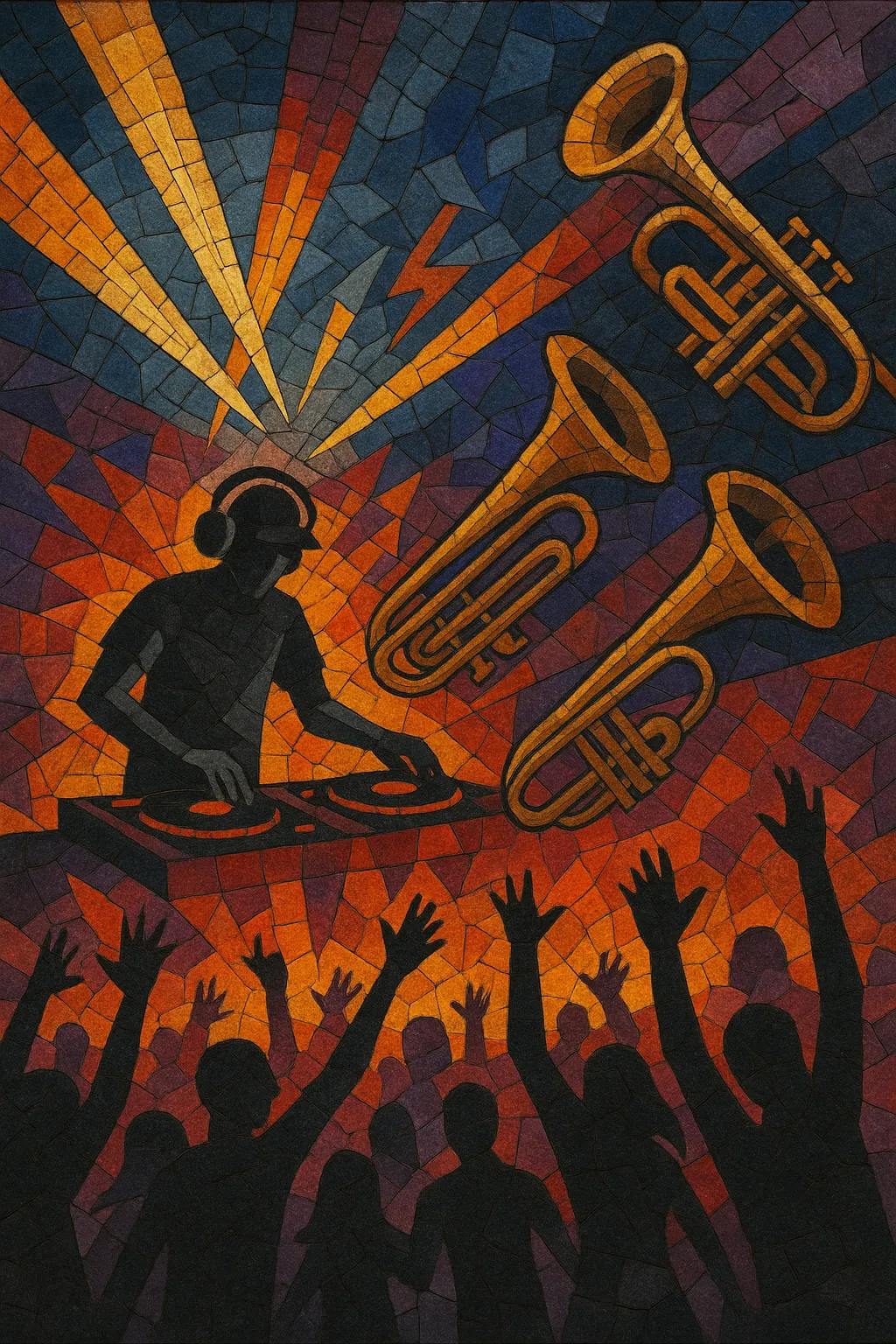
Festival trap is a high‑energy, mainstage‑oriented branch of EDM trap that translates hip‑hop‑rooted 808 rhythms into oversized, stadium‑scale drops.

It pairs halftime drum patterns at 70/140 BPM with big‑room buildups, supersaw and brass stabs, sirens/air‑horns, and chantable vocal chops engineered for crowd participation. Compared with classic hip‑hop trap it is brighter, louder, and more bombastic; compared with big room house or dubstep it retains a halftime groove with rolling hi‑hats and sub‑heavy 808s. Typical drops use dramatic snare rolls and risers into a silence‑then‑impact hit, followed by call‑and‑response riffs designed to move festival crowds.


Sources: Spotify, Wikipedia, Discogs, Rate Your Music, MusicBrainz, and other online sources

History

Origins (early 2010s)

Festival trap emerged in the early 2010s in the United States as EDM embraced hip‑hop’s trap drum language. Producers began fusing 808 subs, skittering hi‑hats, and clap‑on‑the‑three patterns with big‑room festival aesthetics—long risers, white‑noise sweeps, and explosive drops. Early viral edits and remixes of house and pop records into halftime, 808‑driven versions set the stage for a sound purpose‑built for massive festival PA systems.

Breakout and codification (2012–2014)

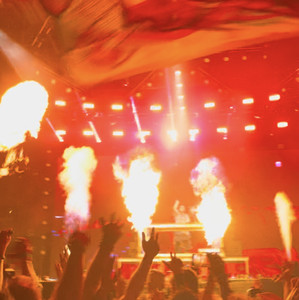
By 2012–2014, the style was codified on main stages at Ultra, EDC, Tomorrowland, and via YouTube channels like Trap City. Artists popularized the “festival trap remix” format—turning 128‑BPM big‑room tracks into 70/140‑BPM halftime bangers with brass stabs, sirens, and crowd‑chant hooks. The sound’s trademarks included dramatic pre‑drop snare rolls, stop‑downs, and oversized 808 impacts.

Consolidation and hybridization (mid‑2010s)

As it matured, festival trap cross‑pollinated with dubstep sound design and electro house energy, paving the way for hybrid trap and a broader bass‑music toolkit for mainstage DJs. The scene embraced harder sound design, cinematic intros, and hip‑hop features while maintaining the halftime groove.

Legacy

Although trends diversified toward future bass, bass house, and hybrid trap later in the decade, festival trap remains a dependable mainstage formula—its crowd‑focused builds, chantable motifs, and sub‑heavy halftime drops continue to appear in festival sets and pop‑EDM crossovers.

How to make a track in this genre

Tempo and groove
•   Work at 140 BPM (halftime feel at 70 BPM). Many festival edits convert 128‑BPM house tracks to 70/140 halftime drops. •   Use a clap/snare on beat 3, with rolling 1/8→1/16→1/32 snare fills leading into drops.
Drums and bass
•   Foundation is an 808 sub kick that carries the root notes; add transient layers for punch. •   Program trap hi‑hats with stutters, triplets, and rapid rolls; sprinkle rimshots and tom fills for hype. •   Glide 808s or layered reese/sub lines outline simple, powerful motifs (often 1–4 bar riffs).
Leads and sound design
•   Use brass/horn stabs, supersaws, and gritty synths for call‑and‑response drop hooks. •   Add festival signifiers: sirens, air‑horns, alarms, uplifters, crowd/chant chops. •   Keep harmony minimal—minor keys and short progressions (e.g., i–VI–VII) that support the drop.
Builds and drops
•   8–16 bar builds: rising pitch, noise sweeps, increasing snare roll density, and automation on reverb/filter for tension. •   Pre‑drop: a brief stop or low‑pass dip, a vocal tag or count‑down, then a full‑band impact. •   Drop arrangement: alternate A/B phrases (hook → response), leave space for the sub to breathe, and add fill bars every 4 or 8 bars.
Mixing and performance
•   Sidechain leads and FX to the kick/sub to preserve low‑end clarity; high‑pass non‑bass elements. •   Saturate the 808 for audibility on large systems; control highs to avoid harshness. •   Build DJ‑friendly intros/outros and consider a 128→70 BPM flip for live set impact.

Top albums

Top tracks

Locked
Share your favorite track to unlock other users’ top tracks
Influenced by
Has influenced
Challenges
Digger Battle
Let's see who can find the best track in this genre
© 2026 Melodigging
Melodding was created as a tribute to Every Noise at Once, which inspired us to help curious minds keep digging into music's ever-evolving genres.
Buy me a coffee for Melodigging